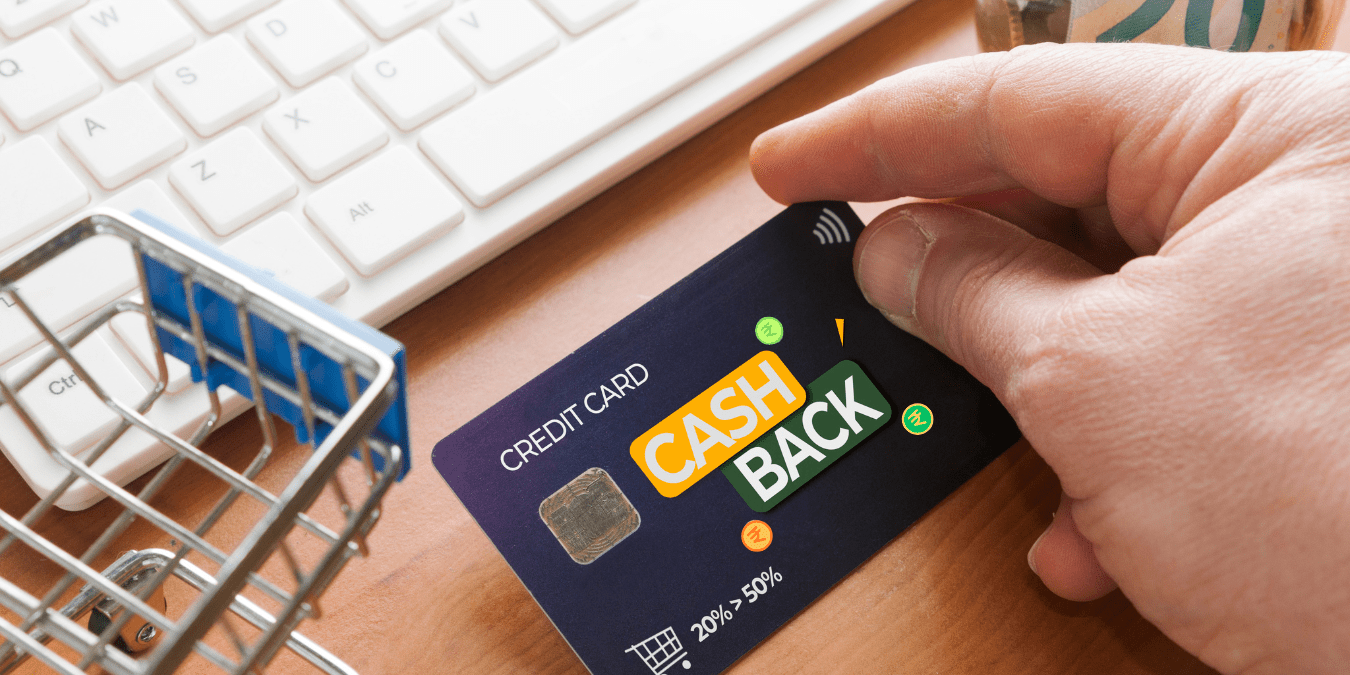
How to Earn ₹10,000+ Per Year in Cashback Just by Using the Right Credit Card
How to Earn ₹10,000+ Per Year in Cashback Just by Using the Right Credit Card
You’re already spending thousands every month. The right card stack turns those purchases into guaranteed annual cashback — no lifestyle changes required. Here’s exactly how to do it.
Potential
In 15 years across Indian banking and financial services, I’ve noticed a consistent pattern: people spending ₹5–8 lakh annually on credit cards earning less than ₹500 back per year. Not because good cashback cards don’t exist — they do, and they’re accessible to most salaried Indians — but because nobody explained the strategy.
This guide fixes that. It maps your existing household spending to the precise cards that reward it most, explains exactly how to hit ₹10,000 or more in annual cashback, and covers the one iron rule that keeps the whole system working.
Why Most Indians Leave Cashback Money on the Table
India has over 10 crore active credit cards, according to RBI data as of 2025. Yet the overwhelming majority of cardholders are enrolled in reward points programmes they rarely redeem — and when they do, the value can be as low as 25 paise per point. Cashback, by contrast, is credited directly to your statement or account as real money.
The single biggest error is using one “all-purpose” card for every transaction. Banks deliberately design reward structures so no single card wins in all categories. A card offering 5% on Amazon may give only 0.5% at petrol pumps. The solution is not to spend more — it’s to route each rupee to the card that rewards it most.
“Most people are earning ₹500/year on ₹6 lakh in annual card spends. That’s a 0.08% return — when 3–5% is entirely achievable with two or three right card choices.”
D. Kush, MBA — DailyFinancial.inThe 4 Spend Categories That Drive 80% of Your Cashback
Before selecting cards, audit your last three months of bank statements and group every debit into these four buckets. Your card stack should be built entirely around which categories absorb the most of your monthly spend.
Utility Bills & Recharges
Electricity, mobile, broadband, DTH — mandatory recurring payments most Indians pay via net banking with zero return.
Up to 5% backFuel & Groceries
High-frequency, high-volume spends. Even a 1–2% return on ₹5,000/month in fuel is ₹1,200/year without effort.
1–7% value-backTop 6 Cashback Credit Cards in India (2025–26 Comparison)
Based on bank-published terms and real-world cashback performance, these are the strongest cashback cards available for Indian applicants with a stable income and a CIBIL score above 700.
| Card | Best Category | Cashback Rate | Annual Fee | Best For |
|---|---|---|---|---|
| HDFC MillenniaHDFC Bank | Amazon, Flipkart, Zomato, Swiggy | 5% (CashPoints) | ₹1,000 waivable | Online Shopping |
| Axis ACEAxis Bank | Google Pay bills & recharges | 5% unlimited | ₹499 waivable | Bill Payments |
| SBI Cashback CardSBI Card | All online transactions | 5% online / 1% offline | ₹999 waivable | Everyday Spends |
| ICICI Amazon PayICICI Bank | Amazon.in purchases | 5% Prime / 3% non-Prime | ₹0 Lifetime Free | No-Fee Pick |
| Kotak 811 #Dream DifferentKotak Mahindra Bank | All categories (tiered) | Up to 3.5% | ₹0 Lifetime Free | Starter Card |
| BPCL SBI OctaneSBI Card | BPCL fuel stations | 7.25% value-back | ₹1,499 | Fuel Commuters |
Cashback rates, fee structures, and waiver conditions are subject to revision by the issuing bank. Verify current terms on the bank’s official website before applying.
The ₹10,000 Cashback Blueprint: Real Numbers
Here is how a salaried household in a Tier 1 or Tier 2 Indian city — spending a combined ₹4–5 lakh per year on card-eligible categories — structures their card stack to comfortably exceed ₹10,000 in annual net cashback:
Annual Cashback Estimator — Sample Household
The spends above are conservative. The critical mechanic is card routing — every transaction must flow to the card that gives the highest return for that specific category. This discipline alone accounts for the difference between ₹500/year and ₹15,000/year returns on the same household budget.
5-Step Strategy to Start Earning Immediately
Audit 3 Months of Statements
Categorise every debit into online shopping, groceries, fuel, utilities, dining, and offline retail. This 20-minute exercise reveals which cashback categories matter most for your household.
Build a 2–3 Card Stack
One primary card for online/everyday spends (SBI Cashback or Axis ACE) plus one category specialist for your biggest single spend (HDFC Millennia for shopping, BPCL Octane for fuel).
Hit Annual Fee Waiver Thresholds
Most premium cashback cards waive annual fees at ₹1–2 lakh in annual spend. Routing enough transactions through each card eliminates the fee entirely — raising your net cashback significantly.
Pay the Full Balance Every Month
Non-negotiable. Credit card interest in India is 36–48% p.a. One month of revolving ₹20,000 erases 6 months of cashback earnings. Set up auto-debit for the full outstanding amount.
Activate Bank Offer Portals
HDFC Offers Zone, SBI Card Deals, and Axis eDGE Rewards push additional 2–10% merchant deals. Checking before any major purchase stacks additional cashback on top of base earnings.
The Iron Rule
Every rupee of credit card interest cancels multiple rupees of cashback earned. If you currently carry a revolving balance on any card, pay it off completely before implementing this strategy. Cashback is a tool for those who pay in full — not for those managing debt.
Maximising Cashback for Your Specific Situation
Salaried Professionals
Automate electricity, mobile, broadband, and insurance premiums on the Axis ACE card via Google Pay. These mandatory monthly outflows paid via net banking earn zero — shifting ₹6,000/month to Axis ACE generates ₹3,600/year passively.
Best card: Axis ACEBusiness Owners & GST Filers
Corporate and business cards like HDFC Business MoneyBack offer 1–3% on advertising, logistics, and vendor payments. At ₹15–20 lakh in annual business card spends, even 1% equals ₹15,000–₹20,000 per year in direct savings.
Best card: HDFC BusinessHeavy Amazon Shoppers
The ICICI Amazon Pay Credit Card is India’s best lifetime-free cashback card for e-commerce. Prime members earn 5% back on every Amazon.in purchase — applied instantly as Amazon Pay balance. A Prime household spending ₹8,000/month on Amazon earns ₹4,800/year from this single card.
Best card: ICICI Amazon Pay5 Mistakes That Silently Kill Your Cashback Returns
- Using debit cards for online purchases. Debit cards offer no meaningful cashback. Every order paid via debit card is a missed opportunity — switch to your best cashback card immediately for all online transactions.
- Ignoring monthly category caps. Many cards cap cashback at ₹500–₹1,000 per category per month. Spending ₹50,000 on a capped card means your effective rate is well below 1%, not 5%. Track and split spend across cards accordingly.
- Not verifying cashback credits. Cashback can take 7–60 days to appear after the statement date. If you aren’t checking monthly, you may miss failed credits entirely — and dispute windows are limited.
- Applying for multiple cards simultaneously. Multiple hard inquiries in the same month lower your CIBIL score. Space card applications at least 6 months apart to minimise credit score impact.
- Confusing reward points with cashback. Reward points have variable, often opaque redemption value — sometimes as low as 25 paise per point. Pure cashback cards give guaranteed, calculable value every time.