From HUL Demerger to Magnum Control: Decoding the 26% Stake Deal's Impact on Everyday Indian Ice Cream Lovers
Magnum Ice Cream’s shocking 26% stake grab in Kwality Walls post-HUL demerger—could this spell doom for Amul or unleash premium treats in every Indian kirana? Shares crashed 26% on debut, yet insiders whisper double-digit growth. What’s the hidden game-changer for your next scoop? Discover the chill twist now!
India has long been a land of contradictions when it comes to ice cream. On one hand, consumption per person remains low; on the other, the market is growing fast, and premium brands are steadily creeping into small towns and even rural households. Into this changing landscape steps The Magnum Ice Cream Company (TMICC), which has launched an open offer to acquire a 26% stake in Kwality Wall’s (India) Limited (KWIL), capping a broader strategic move that will reshape how global ice‑cream brands are structured in the country. Seen from an Indian consumer, investor, and business‑owner lens, this deal is not just about corporate shareholding—it is a signal of how India’s ice‑cream sector is being treated as a standalone, high‑growth vertical, not just an afterthought within a sprawling FMCG portfolio.
Why Magnum Is Buying Into Kwality Walls
At the core of this transaction is Unilever’s global strategy to separate its ice‑cream business from its wider FMCG operations. The Magnum Ice Cream Company, effectively the parent of Magnum, Ben & Jerry’s, Cornetto, and Wall’s brands, emerged as a stand‑alone, pure‑play ice‑cream entity in 2025, with a listing on European and U.S. exchanges. This move allows the ice‑cream business to focus solely on cold‑chain logistics, brand‑led innovation, and premium‑segment growth, without being diluted by the priorities of a diversified conglomerate.
In India, that restructuring has translated into a demerger of HUL’s ice‑cream division into Kwality Wall’s (India) Ltd. HUL shareholders received one KWIL share for every HUL share they held, effectively spinning off the ice‑cream business into a listed entity. Subsequently, Magnum HoldCo (The Magnum Ice Cream Company) agreed to acquire 61.9% of KWIL’s issued and paid‑up capital from Unilever‑group entities, turning Magnum into the controlling shareholder of Kwality Walls in India.
The 26% open offer is a SEBI‑mandated step that follows this primary acquisition. Magnum Ice Cream Company has launched a public open offer for 610.8 crore shares at ₹21.33 per share, representing about 26% of KWIL’s voting share capital, with the potential to raise its total stake to around 87.9% if the offer is fully accepted.
From an Indian perspective, this is significant because it marks a shift from a “HUL touches everything” era to a “ice‑cream‑first” mindset, where the Indian ice‑cream business is being run by a global specialist rather than a domestic FMCG conglomerate that juggles soaps, detergents, and beverages.




What This Means for Indian Consumers
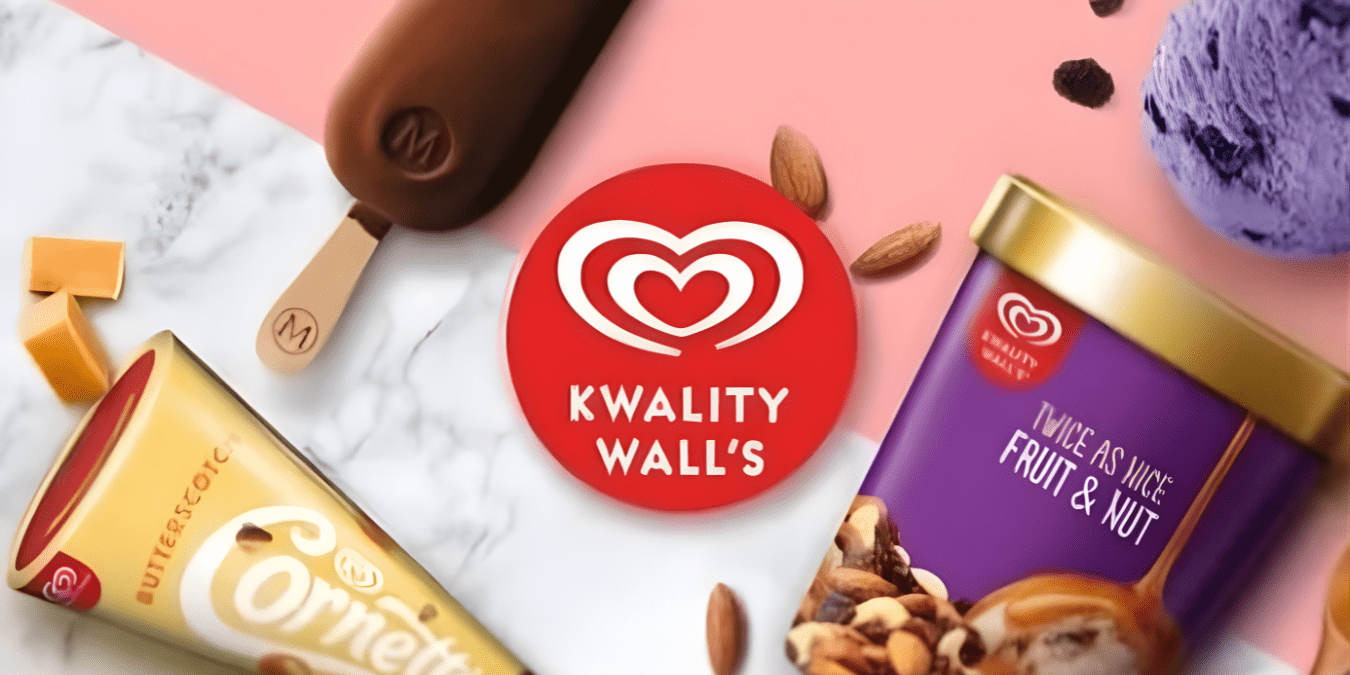
For the millions of Indian households that see Kwality Walls as the default ice‑cream brand in local kirana stores, the immediate experience will likely remain the same: the familiar Magnum bars, Cornetto cones, and Kwality Walls tubs will still be available in the same ice‑cream cabinets. However, the long‑term impact lies in brand positioning, product innovation, and availability.
Analysts note that India’s ice‑cream market is still under‑penetrated, with per‑capita consumption estimated around 400 ml per year, far below global averages. Kwality Walls already reaches about 200,000 outlets, a fraction of India’s roughly 13 million FMCG‑level retail points, which suggests a large untapped “land grab” opportunity. With Magnum now in control, the company is expected to invest more heavily in cold‑chain expansion, distribution in tier‑2 and tier‑3 towns, and even rural areas, where refrigeration infrastructure has historically limited ice‑cream availability.
On the product side, the Magnum‑KWIL alignment points toward premiumization and brand‑led innovation. Magnum is already associated with indulgent, visually appealing formats (double‑chocolate‑coated bars, Magnum Ruby, Magnum Mini’s), while Kwality Walls has a broad portfolio ranging
from family‑tub ice creams to single‑serve cups and popsicles. Bringing these under one strategic umbrella can accelerate new‑format launches, combo packs, and limited‑edition flavours tailored to Indian tastes—such as mango, kesar‑pista, or rabdi‑based variants—backed by deeper marketing spends.
For consumers, this could mean higher‑priced “premium” SKUs alongside the current mass‑market range, effectively creating a clearer value–premium ladder within the same overall brand ecosystem. Health‑conscious segments may also see more experimentation with plant‑based, low‑sugar, or smaller‑portion formats, given global trends in indulgent foods and rising regulatory focus on sugar.
The Stock‑Market and Investor Angle
From an investor viewpoint, the 26% open offer is a classic SEBI‑Takeover‑Regulations‑style move. The Magnum Ice Cream Company has agreed to pay ₹21.33 per share for KWIL, which is below the post‑listing price at debut, when shares opened at about ₹29.80 on the NSE against an adjusted price of ₹40.20, reflecting a roughly 25–26% discount. On listing, the stock settled at a discount, signaling initial market caution about valuations, seasonality, and the structurally higher capital intensity of cold‑chain businesses.
The larger picture for investors is that Kwality Walls is now positioned as India’s dedicated ice‑cream champion, with a global parent that is the world’s largest stand‑alone ice‑cream manufacturer. This gives the stock a defensible, high‑growth narrative—especially as India’s ice‑cream market is projected to expand significantly in the coming years, driven by rising disposable incomes, urbanisation, and café culture.
At the same time, the sector is capital‑intensive. Ice‑cream is a highly seasonal business, with most demand concentrated in summer months, and requires dedicated freezers, refrigerated transport, and cabinetry, which can weigh on margins. Preferential pricing, subsidies, and aggressive outlet‑level support are common, so returns are not always linear.
For Indian retail investors, the Magnum‑KWIL deal therefore offers a dual‑themed opportunity:
- A direct exposure to India’s under‑penetrated ice‑cream market through a listed play.
- A leveraged bet on a global premium‑ice‑cream player that has chosen India as a key growth geography.
Impact on India’s FMCG and Dairy Players
The Magnum‑KWIL deal is not happening in isolation. It is part of a broader global trend of conglomerate simplification and portfolio focus, where companies like Unilever shed or separate non‑core or capital‑intensive verticals. In India, this frees up HUL’s balance sheet and management bandwidth to focus on core categories like home care, personal care, and foods, while the ice‑cream business gets operators who live and breathe cold‑chain operations.
However, increased clout for Magnum and Kwality Walls also raises the stakes for Amul and other dairy‑based ice‑cream players. Amul, for instance, has long held the top position in India’s ice‑cream market, thanks to its strong dairy‑integrated supply chain and mass‑affordable pricing. The Magnum‑KWIL combination, with its premium branding and Unilever‑backed distribution muscle, can push more aggressively into the premium and mid‑premium segments, especially in urban centres and QSRs.
This could trigger a second‑wave competition in the sector, with players investing in:
- Out‑of‑home (OOH) activations near malls, multiplexes, and parks.
- Premium‑format partnerships with ice‑cream parlours and cafes.
- E‑commerce and quick‑commerce tie‑ups for home delivery, a space where Magnum and Kwality Walls already have experience.
For smaller regional ice‑cream brands, the risk of being squeezed on brand spend and distribution access is real, but the upside is a rising awareness of ice‑cream as a broader lifestyle category, which can lift the entire market.
Supply‑Chain and Distribution: The Real Battle Front
Behind the marketing gloss lies the supply‑chain reality: ice‑cream is as much about freezers and trucks as it is about flavours. The Magnum‑KWIL deal is likely to accelerate investments in cold‑chain infrastructure, particularly in tier‑2, tier‑3, and rural markets, where refrigerator density remains patchy.
Kwality Walls already operates a large network of distributors and sub‑distributors, but last‑mile reliability and stock availability have been pain points in smaller towns. With Magnum’s global scale and experience in operating a multi‑million‑cabinet fleet, the expectation is that the combined entity will:
- Standardise and expand the number of branded ice‑cream cabinets in kirana stores.
- Improve route‑planning and inventory management using data analytics.
- Work with local partners to overcome the seasonality‑driven volatility of the business.
For small retailers, this could mean more support in terms of cabinet placement, promotional schemes, and training on product rotation, but also tighter compliance and performance expectations. For distributors, the bargaining power may tilt further toward the manufacturer, given the scale of Magnum‑KWIL and the importance of brand‑driven sales.
Why This Matters for Indian Readers
this development is relevant for three clear audiences:
- Consumers who want to understand how their favourite ice‑cream brands are evolving.
- Investors looking for a clear, long‑term play in India’s under‑penetrated ice‑cream space.
- Retailers and distributors who are part of the cold‑chain ecosystem and must adapt to new brand and operational priorities.
The Magnum‑KWIL transaction is not just a corporate reshuffle; it is a validation of India as a serious ice‑cream market. By acquiring a 26% stake through a regulated open offer and already holding a majority stake via the demerger, Magnum is signalling that India’s ice‑cream category is mature enough to justify standalone governance, capital allocation, and strategy.
For Indian readers browsing this story on Google Discover, the takeaway is simple: the next time you reach for a Magnum bar or a Kwality Walls tub, you are not just buying a dessert; you are participating in a larger shift in how global brands are structured, distributed, and marketed in India. And with the market still far from saturation, the story of Indian ice cream is only halfway scooped.
Disclaimer: The use of any third-party business logos in this content is for informational purposes only and does not imply endorsement or affiliation. All logos are the property of their respective owners, and their use complies with fair use guidelines. For official information, refer to the respective company’s website.