WhatsApp Logo Follow Now
Advertisement

International

SpaceX IPO Roadshow Confirmed for June 2026, Intel Joins Elon Musk’s Terafab AI Chip Mega-Project — What April 7 Market News Means for Your Portfolio

SpaceX IPO Roadshow Confirmed for June 2026, Intel Joins Elon Musk’s Terafab AI Chip Mega-Project — What April 7 Market News Means for Your Portfolio

Two seismic developments broke on April 7, 2026, that every serious investor needs to understand: SpaceX has formally laid out its IPO roadshow timeline, targeting the week of June 8, while Intel officially joined Elon Musk's Terafab semiconductor mega-project as a key fabrication partner. Together, these stories are not isolated headlines — they represent a structural shift in how AI computing, space infrastructure, and public equity markets intersect. If you manage a portfolio with any exposure to tech, semiconductors, or space, ignoring these signals would be a costly mistake. The SpaceX IPO: Bigger Than Anything Before It To understand the…
Read More
When the Strait of Hormuz Closes, Cities Pay the Price First — A New Study Reveals the Hidden Urban Toll of the World’s Biggest Energy Crisis

When the Strait of Hormuz Closes, Cities Pay the Price First — A New Study Reveals the Hidden Urban Toll of the World’s Biggest Energy Crisis

The world has been watching oil prices and geopolitical headlines since the Strait of Hormuz effectively closed in early March 2026. But what the ticker tapes and trading desks have missed is the deeper, slower-burning crisis — one that doesn't announce itself in barrel prices but in bread prices, blackouts, and broken supply chains that squeeze city dwellers first and hardest. A new wave of analysis from leading institutions — from the Complexity Science Hub Vienna to the United Nations Conference on Trade and Development (UNCTAD) — is beginning to reveal a truth that energy economists have long suspected but…
Read More
Global Equities Just Had Their Worst March Since 2022 — And Bonds Fell Too. Is There Anywhere Left to Hide Your Money Right Now?

Global Equities Just Had Their Worst March Since 2022 — And Bonds Fell Too. Is There Anywhere Left to Hide Your Money Right Now?

Markets have a way of humbling even the most experienced investors, and March 2026 delivered exactly that kind of reckoning. The S&P 500 posted its worst monthly performance since September 2022, losing nearly 5% in a single month, while Emerging Markets crashed a brutal 13%. What made this month uniquely unsettling wasn't just the scale of the equity selloff — it was the simultaneous collapse of the so-called "safe" side of portfolios. Bonds, traditionally the cushion that softens equity blows, fell too. Investors found themselves staring at a rare and deeply uncomfortable truth: the traditional 60/40 portfolio — 60% equities,…
Read More
How a War in Iran Is Now Taxing Every American Business and Consumer — The Hidden Costs in Diesel, Jet Fuel, and Supply Chains

How a War in Iran Is Now Taxing Every American Business and Consumer — The Hidden Costs in Diesel, Jet Fuel, and Supply Chains

You do not have to own a gas-powered vehicle, operate a trucking fleet, or run an import business to feel the financial bite of the war in Iran. The conflict, sparked by U.S.-Israeli strikes on Iran in late February 2026, has quietly inserted itself into the price of every box of cereal on your grocery shelf, every airline ticket you book, and every package delivered to your door — and the damage is widening by the week. The Chokepoint That Changed Everything At the geographic heart of this economic crisis sits the Strait of Hormuz, a narrow stretch of water…
Read More
CB Rate Hike Countdown: Why Europe’s Central Bank Is Being Forced to Flip Its 2026 Playbook Upside Down Because of a War in the Middle East

CB Rate Hike Countdown: Why Europe’s Central Bank Is Being Forced to Flip Its 2026 Playbook Upside Down Because of a War in the Middle East

For most of 2024 and 2025, the European Central Bank's policy direction looked almost predictable — a cautious but steady march toward lower interest rates after years of battling post-pandemic inflation. Then, in early 2026, a war in the Middle East changed everything. The ECB, which had been holding rates steady at 2% through six consecutive meetings after pausing its rate-cutting cycle, now finds itself staring at a policy pivot it never wanted to make. Markets that were once pricing in flat rates — or even the possibility of further cuts — are now scrambling to reprice for two to…
Read More
Beyond Oil: The 9 Commodities That Markets Forgot Are Also Being Crushed by the Hormuz Closure — Aluminum, Fertilizer, and More

Beyond Oil: The 9 Commodities That Markets Forgot Are Also Being Crushed by the Hormuz Closure — Aluminum, Fertilizer, and More

When the Strait of Hormuz makes headlines, the conversation almost always defaults to crude oil. Analysts rush to update Brent forecasts, energy traders glue themselves to screens, and television pundits debate gasoline prices at the pump. It is an entirely predictable media reflex — and it leaves a massive blind spot. The Strait of Hormuz is not merely an oil corridor. It is the jugular vein of the global commodity system, and when it tightens, the pain radiates far beyond the petroleum complex into industries that most investors, policymakers, and consumers rarely associate with Persian Gulf geopolitics. The strait, which…
Read More
US Jobs Report Defied All Expectations With 178,000 New Jobs in March — But Is This Recovery Real or Just a Dead-Cat Bounce?

US Jobs Report Defied All Expectations With 178,000 New Jobs in March — But Is This Recovery Real or Just a Dead-Cat Bounce?

The March 2026 jobs report dropped like a thunderbolt on Wall Street. When the Bureau of Labor Statistics released its Employment Situation Summary on the morning of April 3, 2026, the number staring back at economists was 178,000 — nearly triple what most forecasters had predicted and one of the more surprising labor market readings in recent memory. But in a year defined by geopolitical turbulence, aggressive federal workforce reductions, and a labor market that has been inconsistent at best, the question deserves to be asked loudly: is this genuine momentum, or are we watching a statistical mirage created by…
Read More
IEA Chief Warns “April Will Be Far Worse Than March” — Here’s What a Deepening Oil Shock Means for Global Growth in 2026

IEA Chief Warns “April Will Be Far Worse Than March” — Here’s What a Deepening Oil Shock Means for Global Growth in 2026

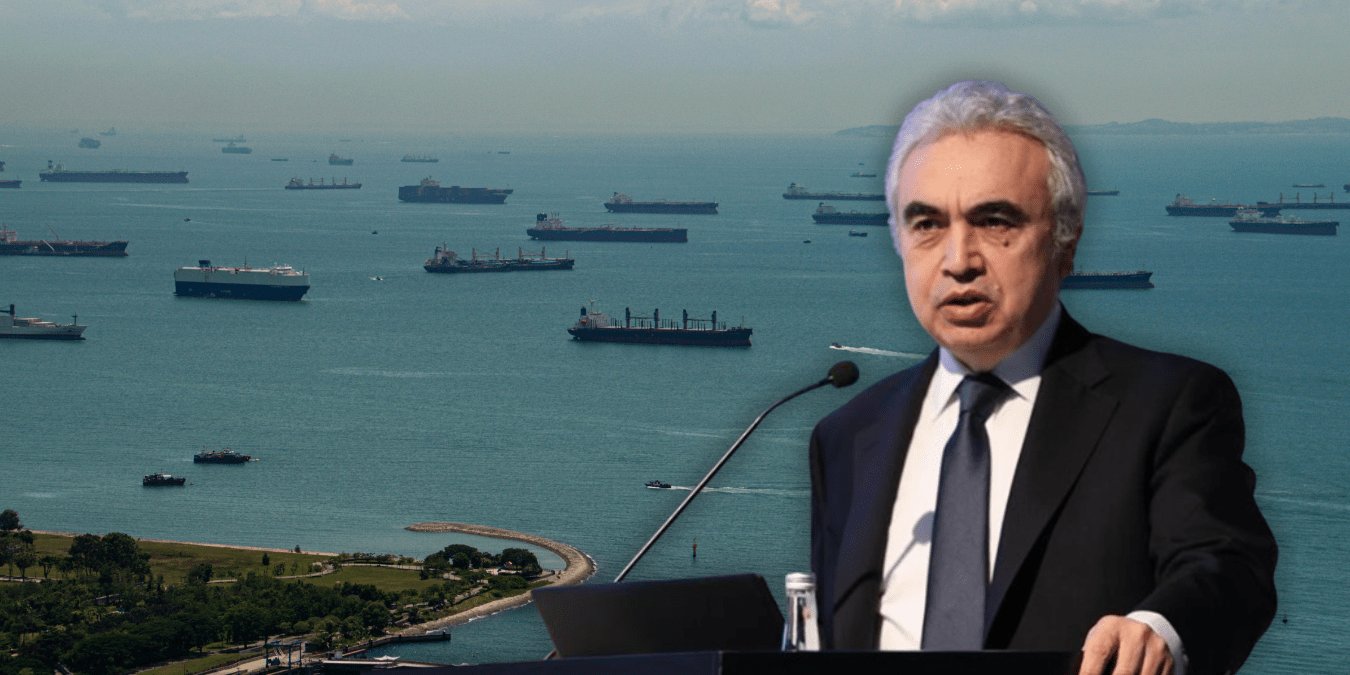
The words landed like a thunderclap across global energy markets. Fatih Birol, Executive Director of the International Energy Agency (IEA), delivered one of the starkest warnings in recent economic history during the "In Good Company" podcast hosted by Norges Bank Investment Management CEO Nicolai Tangen: "April is going to be far worse than March." Those seven words encapsulate a geopolitical and economic inflection point that analysts, policymakers, and investors can no longer afford to ignore. With global oil supply chains fractured by the ongoing U.S.-Iran conflict and the near-complete closure of the Strait of Hormuz, the world is now navigating what Birol…
Read More
The Strait of Hormuz Crisis: How the World’s Most Dangerous Waterway Is Now Costing You More at the Pump, the Airport, and the Grocery Store

The Strait of Hormuz Crisis: How the World’s Most Dangerous Waterway Is Now Costing You More at the Pump, the Airport, and the Grocery Store

There is a narrow strip of water — just 21 miles wide at its most constricted point — that separates the Persian Gulf from the Gulf of Oman, and right now, it is quietly dictating the price of nearly everything you buy. The 2026 Strait of Hormuz crisis, triggered by Iran's effective closure of this critical passage following escalating conflict with the United States and Israel beginning February 28, 2026, has sent shockwaves through every layer of the global economy. If your gas bill feels heavier, your airline ticket inexplicably expensive, and your grocery cart somehow more punishing, this is…
Read More
Why Did the Dow Jones Skyrocket 1,125 Points in a Single Day — And Why the Rally Collapsed Just 24 Hours Later?

Why Did the Dow Jones Skyrocket 1,125 Points in a Single Day — And Why the Rally Collapsed Just 24 Hours Later?

On March 31, 2026, the Dow Jones Industrial Average surged 1,125 points — its biggest single-day gain since May — closing at 46,341.51, driven by a sudden burst of hope that the Iran war was approaching its end. Less than 48 hours later, that euphoria had completely evaporated, with global stocks tumbling as President Donald Trump vowed to continue U.S. military operations against Iran, sending oil prices surging and investors fleeing risk assets. The World Markets Had Before the Rally To understand why March 31 felt like a miracle day for Wall Street, you first need to understand what preceded…
Read More