AU Bank and Paytm’s New Card Gives Families Up to 12 Free Lounge Visits — If You Book Flights on Paytm
Credit Cards Travel India 2026
AU Bank and Paytm’s New Card Gives Families Up to 12 Free Lounge Visits — If You Book Flights on Paytm
The lifetime-free Paytm AU SFB RuPay Credit Card, launched on October 21, 2026, lets up to four family members enter airport lounges together. The catch is the trigger: visits come with eligible round-trip flights booked through Paytm, not with card spending.
Airport lounges have quietly become one of the most contested perks in Indian credit cards. Through 2026, banks have tied free visits to quarterly spending, cut them from some cards, and moved to digital vouchers. And almost every card has had the same blind spot: it gets the cardholder in, while the spouse, the children and an elderly parent wait outside or pay.
The card AU Small Finance Bank and Paytm announced on October 21, 2026 targets exactly that gap. Its pitch is family access, at no annual fee. But it ties the benefit to a different behaviour than most cards do: where you book your flights, rather than how much you spend on the card.
A Lounge Card Launched Just as Lounge Perks Are Shrinking
The timing is not accidental. Outlook Money reported in June 2026 that HDFC Bank’s Regalia Gold card would tie three domestic visits a quarter to ₹60,000 of spending in the previous quarter from July 1, 2026. Axis Bank moved eligible cards to a ₹50,000 spend over three months and removed access from its Airtel co-branded card from April 2026. Under revised NPCI guidelines, RuPay Platinum debit cards lost complimentary lounge access from April 1, 2026.
The economics behind that squeeze are simple. Each free visit costs the bank money, and as more cardholders used lounges, that cost rose. Outlook Money also noted that DreamFolks, a major lounge aggregator, ended its domestic lounge services on September 16, 2025, pushing banks to deal with lounge operators directly. Against that backdrop, a lifetime-free card offering family access is unusual, and it explains why the trigger is a Paytm travel booking, which earns Paytm revenue, rather than open-ended spending.
What “Family Lounge Access” Actually Means Here
Most premium cards in India give lounge access to the cardholder. Some add a guest visit or two, and add-on cardholders may get their own quota. Families travelling together usually end up paying walk-in prices for everyone except the primary cardholder.
The Paytm AU SFB card is built the other way round. According to AU Small Finance Bank’s release, up to four family members can access lounges together, and entry uses a QR code rather than a physical card swipe. That matters at the lounge door: no one has to hand over the card for each person, and a family does not need four separate eligible cards.
How the visits are earned
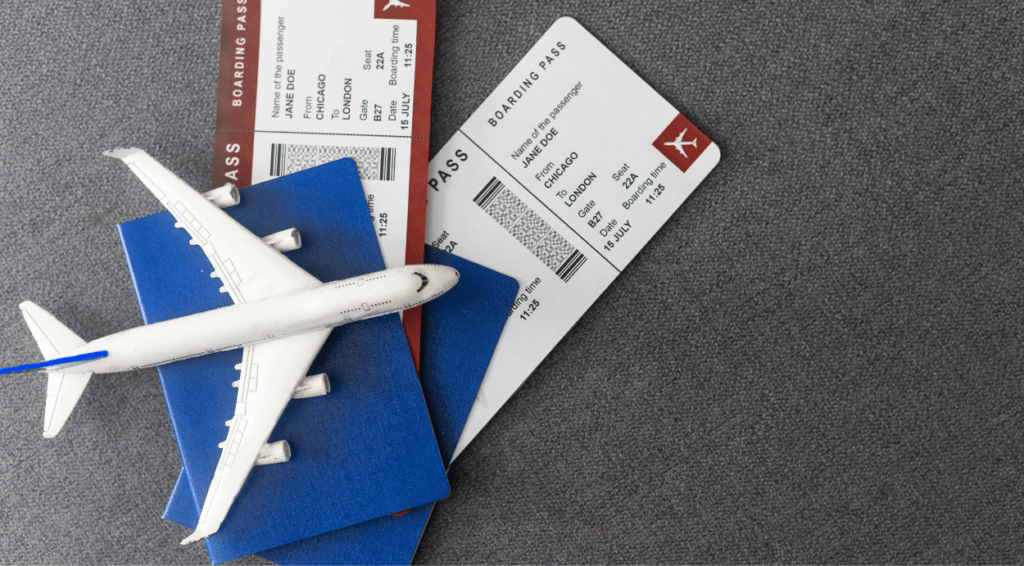
The release says the benefit applies on eligible round-trip flights booked through Paytm. Published card terms on Card Insider add the detail: a return booking of ₹5,000 or more on Paytm Travel unlocks visits, with up to 4 visits redeemable per booking. On that reading, a family of four uses its whole year’s allowance in three round trips.
Rewards: Where the 2% and 5% Really Apply
The headline reward rates are tied to Paytm’s own ecosystem. AU’s release lists up to 2% on eligible Paytm UPI spends, such as groceries and cab rides, and 5% on Paytm Travel and Paytm Gold. Points convert at ₹1 each when redeemed for Paytm Gold.
The published card terms on Card Insider break this down further. Paytm UPI payments between ₹100 and ₹2,000 earn 2 points per ₹100; above ₹2,000, the rate drops to 1 point. UPI payments through other apps earn 1 point per ₹400. Other card spends earn 1 point per ₹100. All of it is capped at 3,000 points per statement cycle.
Card Insider also lists categories that earn nothing, including wallet reloads, rent, education, government services, fuel, utility bills, transportation and insurance. Fuel does get a 1% surcharge waiver on transactions between ₹400 and ₹4,000, capped at ₹100 a month, according to those terms.
The Money Maths for a Family of Four
The lounge benefit is the reason most families will look at this card, so it is worth putting a rupee value on it. Outlook Money puts typical walk-in lounge prices at ₹1,500 to ₹3,500 per visit. The table assumes each family member’s entry counts as one visit, the more conservative reading of the terms.
| Trips a year | Lounge entries used | Walk-in value at ₹1,500 | Walk-in value at ₹3,500 | Annual fee |
|---|---|---|---|---|
| 1 family trip | 4 | ₹6,000 | ₹14,000 | ₹0 |
| 2 family trips | 8 | ₹12,000 | ₹28,000 | ₹0 |
| 3 family trips | 12 | ₹18,000 | ₹42,000 | ₹0 |
| 4 family trips | 12 (cap reached) | ₹18,000 | ₹42,000 | ₹0 |
| 6 solo trips | 6 | ₹9,000 | ₹21,000 | ₹0 |
What people often miss is that the value depends entirely on booking through Paytm. If you usually find cheaper fares on an airline’s own site or another platform, the lounge benefit and the 5% reward may not offset a higher fare. Compare the final price, not just the perks.
The Other Numbers on the Card
A lifetime-free card can still be expensive if used the wrong way. These are the published charges and limits that matter most, based on Card Insider’s listing of the card’s terms.
| Item | What the terms say | What it means for you |
|---|---|---|
| Joining and annual fee | Lifetime free | No cost to hold the card |
| Interest on unpaid balance | 3.75% a month, 45% a year | Pay the full bill to avoid it |
| Forex markup | 3.49% | Costly for foreign spends |
| Cash advance | 2.5% | Plus interest from day one |
| Reward redemption fee | ₹99 plus GST | Redeem in larger batches |
| Reward cap | 3,000 points per statement cycle | Large bookings may hit the cap |
| Fuel surcharge waiver | 1% on ₹400 to ₹4,000, up to ₹100 a month | Small saving at the pump |
| Age eligibility | Salaried 21 to 60; self-employed 25 to 65 | Add-on cardholders from 18 |
From a 1996 Lender to a Family Lounge Card
AU’s path to this launch runs through one of India’s more unusual banking stories. It began as a vehicle finance company, became a small finance bank, and is now moving towards becoming a universal bank, according to its own release.
AU’s release reports deposits of ₹1,57,727 crore and a loan book of ₹1,44,250 crore as of June 30, 2026, with shareholders’ funds of ₹20,885 crore. It says it is the largest small finance bank in India and the first in over a decade to receive in-principle RBI approval to become a universal bank.
Why Paytm Wants Your Flights, Not Just Your Spending
Every co-branded card is a trade. The bank gets new customers through a partner’s large user base, and the partner gets a reason for those users to keep coming back. In this case, the lounge benefit is designed to pull travel bookings onto Paytm, and the reward structure is designed to pull everyday UPI payments onto the Paytm app.
That explains the shape of the card. A traditional premium card asks you to spend a set amount on the card each quarter to keep lounge access, because the bank earns from that spending. This card asks you to book a ₹5,000-plus round trip on Paytm Travel instead. The booking itself is the business Paytm wants, so the lounge visit works as a reward for using its platform rather than as a cost the bank must recover from your card spend.
The RuPay and UPI angle
Because the card runs on RuPay, it can be linked to UPI and used to pay at shops through QR codes, where most card networks cannot be used. For Paytm, that means everyday small payments, such as groceries and cab rides, can be routed through its own UPI app on credit. That is why the 2% rate applies to Paytm UPI payments, while the same payment through another UPI app earns only a quarter of a point per ₹100 under published terms.
What this means for you
The card works best when your habits already match its design. If you book flights on Paytm and pay through Paytm UPI anyway, the benefits come at no extra effort. If using the card would mean changing where you book and how you pay, compare the trade-offs: a slightly higher fare or a less convenient app can quietly eat into the value of the perks.
How to Apply, Step by Step
The card is issued by AU Small Finance Bank but applied for entirely inside the Paytm app, according to the release.
- Open the Paytm app and search for “Credit Card”.
- Tap “Get Credit Card” and select the Paytm AU SFB Credit Card.
- Tap “Apply Now” and enter the required personal and income details.
- Complete KYC and verification as prompted.
- Submit and track the application in the Paytm app. Approval depends on the bank’s assessment.
Who Should Get It, and Who Should Pass
Strong fit
- Families who fly together two or three times a year and already book on Paytm.
- Heavy Paytm UPI users who make many small payments between ₹100 and ₹2,000.
- Anyone who wants lounge access without a quarterly spend target or an annual fee.
Weaker fit
- Travellers who book directly with airlines for lower fares or loyalty points.
- International flyers, since published terms describe the lounge benefit as domestic.
- People who carry a balance, since 45% annual interest would wipe out any rewards.
Before You Head to the Lounge
Frequently Asked Questions
What is the Paytm AU SFB Credit Card?
It is a lifetime-free RuPay credit card issued by AU Small Finance Bank in partnership with Paytm, launched on October 21, 2026. It offers up to 12 complimentary lounge visits a year for up to four family members, and rewards of up to 2% on Paytm UPI and 5% on Paytm Travel and Gold.
How do I get free lounge access with the Paytm AU card?
Lounge visits are linked to eligible round-trip flights booked through Paytm. Published card terms say the return booking must be ₹5,000 or more, with up to four visits redeemable per booking. Entry is through a QR code rather than a card swipe.
How many family members can use the lounge with this card?
Up to four family members can access lounges together, according to AU Small Finance Bank’s release. The release does not define who counts as family, so check the terms if you plan to travel with in-laws or relatives.
Is the Paytm AU credit card really lifetime free?
Yes. AU and Paytm say there is no joining fee and no annual fee. Other charges still apply, including interest of 3.75% a month on unpaid balances and a 3.49% forex markup, according to published card terms.
Does the Paytm AU card give international lounge access?
The launch release does not mention international lounges. Third-party listings of the card’s terms describe the benefit as domestic only. Confirm with the bank before planning on international lounge use.
What rewards does the Paytm AU SFB credit card offer?
Up to 2% on eligible Paytm UPI spends and 5% on Paytm Travel and Paytm Gold, per the release. Published terms add 1 point per ₹100 on other spends and a cap of 3,000 points per statement cycle. Points are worth ₹1 each for Paytm Gold.
Can I link the Paytm AU credit card to UPI?
Yes. It is a RuPay credit card, which can be linked to UPI. The higher 2% reward rate applies to eligible Paytm UPI payments, while UPI payments through other apps earn a much lower rate under published terms.
Who is eligible for the Paytm AU credit card?
Published terms list Indian residents aged 21 to 60 if salaried, or 25 to 65 if self-employed, with add-on cardholders from 18. Applications go through the Paytm app and are subject to KYC and AU Small Finance Bank’s approval.
The Short Version
The Paytm AU SFB Credit Card is a lifetime-free RuPay card that gives up to 12 lounge visits a year to up to four family members travelling together, with QR-based entry. Unlike most cards, it ties the perk to round-trip flights booked on Paytm, not to quarterly spend. Rewards are strongest inside Paytm: 5% on travel and gold, and up to 2% on Paytm UPI, capped at 3,000 points a cycle. For a family that flies together a few times a year and already books on Paytm, it can be worth tens of thousands of rupees. For anyone else, it is a modest card.