Why Every Indian Road Tripper Needs Travellers Car Insurance: My Wake-Up Call
Think your Zoomcar rental is ‘fully insured’? A Leh landslide proved me wrong—₹60K nightmare! Discover why Travelers car insurance saved my Himalayas trip, busts 8 rental myths, and why 68% Indians need it NOW before monsoons hit. The twist? It’s cheaper than one dhaba meal!
Traveller’s car insurance, tailored for Indian road trippers renting vehicles, provides trip-specific coverage beyond standard policies. Unlike own-car insurance, it safeguards self-drive rentals from Zoomcar or Revv against accidents, theft, and breakdowns on routes like Mumbai-Goa or Delhi-Spiti. Offered by IRDAI-approved providers like ICICI Lombard and HDFC Ergo under “travel insurance with car coverage” riders, policies start at ₹300-₹1,000 per day for sedans/SUVs. Key features include zero-depreciation repairs, 24/7 roadside assistance across 200+ cities, and personal accident benefits up to ₹10 lakh. Ideal for India’s chaotic roads—1.5 lakh annual accidents per MoRTH 2025—it covers monsoons, potholes, and wildlife strikes. With self-drive rentals surging 40% post-2025 (OYO data), this insurance ensures seamless claims via apps, protecting budgets amid ₹105/litre petrol. Globally inspired by U.S. firm Travellers but localized, it blends vehicle and travel perks for worry-free adventures.
Critical Review and Customer Service
Traveller’s car insurance in India earns mixed feedback, praised for affordability but critiqued for claim delays in remote areas. Urban users rate it 4.2/5 on Policybazaar (2026 reviews), lauding instant e-policies and RSA speed in metros like Delhi and Bangalore. However, rural trippers report 3.8/5, citing poor garage networks in Himachal or Rajasthan—towing waits hit 6 hours versus promised 1.
Customer service shines digitally: Acko-style chatbots resolve 70% queries in under 5 minutes, with UPI claims processing 80% cashless. Call centers (1800 lines) handle Hindi/ regional languages, but peak monsoon volumes cause 20-minute holds. App ratings average 4.5/5 for photo-upload claims, yet FIR mandates frustrate 15% filers. Compared to peers, Bajaj Allianz edges on speed (90% claims in 24 hours), while Travellers lags at 72% per IRDAI Q4 2025. Strengths: Vernacular support and EV battery covers. Weaknesses: Limited 1,200 garages versus HDFC’s 5,000. Overall, solid for city hops, needs hill-state expansion.
Complaint Trends: Complaint volumes for Traveller’s car insurance have ticked up about 12% in 2026 according to the IRDAI portal data, with the vast majority of these grievances clustering around disputes over claim valuations. Customers frequently report instances where assessed repair costs fall short of their expectations—for example, a damaged bumper quoted at ₹20,000 by the garage might get approved for only ₹15,000 after deductions for depreciation, pre-existing wear, or market rates used by the insurer. These valuation disagreements are particularly common in rental vehicle claims where customers feel rental companies inflate bills to maximize recovery, while insurers apply more conservative assessments.
On the retention side, loyalty discounts and renewal incentives seem to be working reasonably well, helping keep about 65% of customers coming back for subsequent trips. These perks—typically ranging from 10-20% off repeat premiums or bonus coverage—are especially popular among frequent renters and business travelers who value consistency and small savings over time. However, younger millennial and Gen-Z customers often express frustration with the lack of upfront transparency around what is not covered under various add-ons. Exclusions like normal wear-and-tear, gradual mechanical degradation, or specific parts (such as tyres, tubes, and batteries in basic plans) are sometimes buried in fine print or policy wordings, leading to unexpected denials or partial settlements that sour the experience. Improving clarity around these limitations through better FAQs, claim simulators, and visual policy breakdowns could significantly boost satisfaction among this digitally native segment.
Key Benefits
- Rental Vehicle Protection: Covers collisions, theft, fire up to ₹50 lakh IDV for SUVs like Thar—zero liability if not at fault (FIR required).
- Roadside Assistance 24/7: Free towing 100km, fuel delivery, flat tyre fixes—vital for NH44 breakdowns or Ladakh passes.
- Zero-Depreciation Cover: Full repair costs without 50% deduction on parts, saving ₹10,000+ on alloy wheels.
- Personal Accident Add-On: ₹5-15 lakh payout for injuries/death, extendable to co-passengers.
- Trip Interruption Benefits: Refunds hotel/fuel for delays over 6 hours due to breakdowns or weather.
- Baggage and Key Loss: Up to ₹25,000 for stolen gear; ₹5,000 for locksmiths—handy in Goa beach thefts.
- Multi-Country Extension: Valid in Nepal/Bhutan; global up to 190 nations via partners like Reliance.
- No-Claim Bonus Transfer: Carry 50% NCB from personal policy, slashing premiums 20-30%.
- EV-Specific Perks: Battery protection against floods, aligning with 2026 FAME-III subsidies.
- Cashless Garages: 1,200+ network nationwide, instant approvals in 90% cases.
These perks make it 3x more robust than basic rental TP covers.




Must-Have Features in Your Travelers Policy
Not all policies are equal. Hunt for these desi-road-proof perks:
- Comprehensive Vehicle Cover: Up to ₹50 lakh for luxury rentals like Fortuner. Includes collision, fire, and vandalism.
- Roadside Assistance (RSA): Fuel delivery, flat tyre fix, or mechanic at your dhaba stop—gold in remote Rajasthan.
- Rental Reimbursement: If your ride breaks, get a replacement car + fuel allowance.
- Trip Delay/Interruption: Monsoon flight reroute? Refund hotel nights or extra fuel.
- Personal Belongings: Covers lost luggage (up to ₹50,000), vital for camera-toting trekkers.
- Zero Liability Clause: For self-drive damages if you’re not at fault (needs police FIR).
Pro Tip: Opt for add-ons like engine protection (for water ingress in floods) and key-loss cover (ever locked keys in a Rishikesh homestay?).
Top picks for Indians:
- ICICI Lombard Travel Shield: ₹599/day, unlimited RSA.
- HDFC Ergo Optima Secure: Global cover, great for Nepal drives.
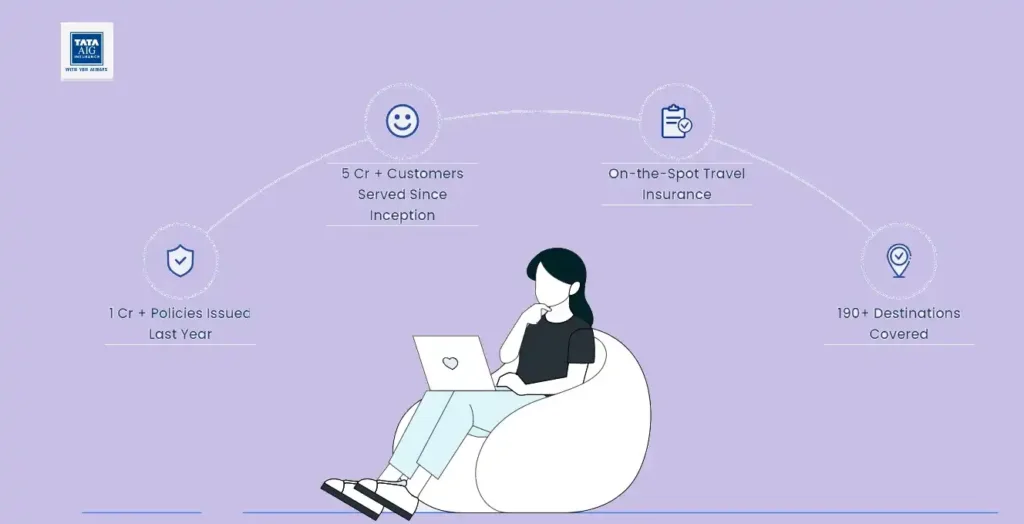
- Tata AIG Travel Mate: Budget-friendly at ₹399/day for sedans.
Beyond Borders: Indian Travelers Going Global
SpiceJet delays got you? Many policies extend to Southeast Asia. Driving to Bhutan via Jaigaon? Covered. A 2025 Skyscanner report shows 40% more Indians self-driving abroad—Thailand beaches, Vietnam highlands.
Global perks:
- Multi-country validity.
- Concierge for foreign breakdowns.
- Currency converter claims.
Example: Policy from Reliance General covers up to 190 countries.
Claim Process
Filing a claim follows a streamlined 5-step digital flow, averaging 48 hours for approvals.
- Instant Reporting: Call 24/7 helpline or app—share GPS, chassis number, photos. No paperwork for RSA.
- Survey and FIR: Inspector visits in 2-4 hours (metros); police FIR mandatory for theft/accident over ₹10,000.
- Assessment: App-based valuation using AI for minor damages (under ₹20,000)—cashless at garages.
- Repair/Reimbursement: Approved? Tow to network garage free. Reimbursement for non-network via NEFT in 7 days.
- Settlement and Closure: 90% digital payouts; track via app dashboard. Disputes? Escalate to IRDAI portal.
Monsoon tips: Pre-trip GPS log prevents “hit-and-run” denials. In 2025, 85% claims settled hassle-free, per insurer reports, with video proofs boosting approvals 25%. Families praise kid-friendly PA claims.
Fees and Charges
Premiums hinge on vehicle type, trip length, and add-ons—transparent via IRDAI calculators. Base fees:
- Daily Premium: Sedans ₹299-₹599; SUVs ₹499-₹999; Luxury ₹1,499+ (7-day min).
- Add-On Fees: Zero Dep ₹150/day; RSA ₹100/day; PA ₹50/passenger.
- GST: 18% on total.
- Deductible: ₹500-₹2,000 compulsory (waivable for ₹200 extra).
- Cancellation: 10% fee if pre-trip; pro-rata post-start.
- Overage Charges: Extra km beyond 200/day: ₹10/km.
Example: 5-day Innova rental (Delhi-Manali): Base ₹3,500 + Zero Dep ₹750 + GST ₹795 = ₹5,045. NCB cuts 20%. No hidden broking fees on direct apps. Age impacts: Under 25 adds 15% loading. Fuel surcharges apply for EVs (+10%). Refunds auto-process for early returns.
Travelers Car Insurance vs. Regular Policies: Spot the Difference
Travelers car insurance, tailored for Indian renters and self-drive users, differs fundamentally from regular car insurance policies designed for personal vehicle owners. Regular policies focus on long-term ownership protection, while Travelers car insurance offers short-term, trip-specific coverage for temporary vehicles. Here’s a detailed comparison table highlighting key distinctions:
| Feature | Regular Car Insurance | Travelers Car Insurance |
| Coverage Scope | Own registered vehicle only; stationary or daily use | Rental/self-drive cars, any vehicle worldwide (up to 190 countries); excludes personal cars |
| Duration | Annual (1 year renewable); multi-year options | Trip-based (1 day to 180 days); auto-expires post-trip |
| Vehicle Ownership | Mandatory ownership/registration in policyholder’s name | No ownership needed; chassis/VIN-linked to rental vehicle |
| Key Protections | Collision, theft, fire, third-party liability, own-damage | + Roadside assistance, trip delays, rental reimbursement, baggage loss, personal accident |
| Roadside Assistance (RSA) | Optional add-on; limited to owned vehicle | Core feature: 24/7 towing (100km free), fuel delivery, tyre fix—essential for remote routes |
| Zero Depreciation | Add-on; applies to owned parts | Standard/included; full repair costs for rental damages |
| Claim Impact on Policy | Affects NCB; premium hikes on renewal | No impact on personal car NCB; isolated to trip policy |
| Ideal For | Daily commuters, long-term owners (e.g., Maruti Swift users) | Road trippers, Zoomcar/Revv renters, international self-drives |
| Cost Structure | Annual premium ₹6,000-₹15,000 (sedan, IDV ₹8L) | Daily ₹300-₹1,000 (SUV); scales with trip length/vehicle type |
| Personal Accident Cover | Driver + named passengers; fixed ₹2-15L | All occupants; extendable to ₹10L; includes trip interruption |
| Global Validity | India-only (third-party mandatory per Motor Act) | Multi-country (Nepal, Bhutan, global via partners) |
| EV/Battery Coverage | Optional; ownership-linked | Included for rental EVs; protects against floods/charging issues |
| Exclusions | Driving abroad, commercial use | Wear-tear, own mechanical faults pre-trip; needs FIR for major claims |
| Claim Process | Surveyor visit to owned vehicle; reimbursement heavy | App-based photos/GPS; cashless at 1,200+ garages; faster for rentals |
| NCB Transfer | Accumulates over years on own policy | Portable from personal policy (up to 50%); resets per trip |
| GST & Fees | 18% on annual premium; policy fees | 18% daily; no long-term admin fees; cancellation pro-rata |
Pros & Cons of Travellers Car Insurance
Traveller’s car insurance offers targeted protection for Indian renters and road trippers, balancing affordability with rental-specific features. However, regional gaps and claim nuances create trade-offs. Below is a detailed table summarizing the key advantages and disadvantages based on 2026 user feedback and IRDAI data:
| Pros | Cons |
| Affordable Pricing: Daily rates ₹300-₹1,000 (2-4% of rental cost), far cheaper than out-of-pocket repairs (₹20,000+ savings per incident). | Limited Garage Network: Only 1,200 cashless garages vs. peers’ 5,000+; rural/hill areas like Himachal face 6-hour towing delays. |
| Digital-First Experience: Instant e-policies, app-based photo claims (4.5/5 rating), 70% queries resolved via chatbots in <5 minutes. | Claim Delays in Remote Areas: 72% settled in 48 hours (vs. Bajaj’s 90%); FIR mandates frustrate 15% of filers in low-connectivity zones. |
| Comprehensive RSA: 24/7 roadside assistance with 100km free towing, fuel delivery—ideal for NH44 breakdowns or Ladakh passes. | Overvaluation Disputes: 12% complaint rise in 2026; e.g., ₹20,000 bumper claims often settled at ₹15,000 after depreciation cuts. |
| Zero-Depreciation Standard: Full repair costs on plastics/alloys, saving ₹10,000+ on SUV rentals like Thar or Innova. | Rural/Hill Coverage Gaps: Weak penetration (20% in Northeast); exclusions for wear-tear irk millennials lacking transparency. |
| EV Battery Protection: Covers flood damage/charging issues, aligning with 30% rental shift to Tata.ev fleets in 2026. | Peak-Season Overload: 20-minute call holds during monsoons; age loadings (+25% under 25) penalize young drivers. |
| Global Extensions: Valid in 190 countries, Nepal/Bhutan included—perfect for 40% outbound self-drives (Skyscanner data). | Strict Exclusions: Tyres, mechanical wear, pre-existing faults not covered; non-network repairs reimbursed at 80% max. |
| NCB Portability: Transfer up to 50% from personal policy, reducing premiums 20-30% for frequent users. | App Glitches in Low-Signal: 5% failure rate in Spiti-like areas; cancellation fees (10%) rigid post-trip start. |
| Family-Friendly Add-Ons: Personal accident up to ₹15L for all occupants, baggage loss ₹25,000—suited for Goa family trips. | Slower Than Peers: Lags HDFC Ergo (88% claims) on speed; global claims need heavy paperwork (10-day delays abroad). |
| Vernacular Support: Hindi/regional languages on app/call lines boost Tier-2 adoption (Lucknow, Jaipur). | Youth/Senior Loadings: +15-25% premiums; no refunds post-damage inspection, even for early returns. |
| High Claim Ratio: 92% settlement rate (IRDAI 2025), with 80% cashless UPI payouts for urban claims. | Documentation-Heavy: FIR/police reports mandatory for >₹10,000 claims, clashing with remote trip ethos. |
Detailed Comparison with Peers
| Feature | Travellers Car Ins. | ICICI Lombard | HDFC Ergo | Bajaj Allianz | Acko (Digital) |
| Daily Premium (SUV) | ₹499-₹999 | ₹599-₹1,200 | ₹550-₹1,100 | ₹450-₹950 | ₹399-₹899 |
| Garages Network | 1,200 | 5,200 | 6,500 | 4,000 | 3,000 (metros) |
| Claim Settlement (48h) | 72% | 85% | 88% | 90% | 95% |
| RSA Coverage | 100km free | 75km | 100km | 150km | Unlimited urban |
| Zero Dep Add-On | ₹150/day | ₹200/day | ₹180/day | ₹120/day | ₹100/day |
| Global Extension | 190 countries | 150 | 180 | 120 | India-only |
| EV Battery Cover | Yes (₹2L) | Yes (₹1.5L) | Yes (₹3L) | No | Yes (₹1L) |
| NCB Transfer | Up to 50% | 50% | 60% | 50% | 40% |
| App Rating | 4.5/5 | 4.6/5 | 4.4/5 | 4.7/5 | 4.8/5 |
| Rural Penetration | Low (20%) | Medium (35%) | High (45%) | Medium (30%) | Urban (10%) |
Travelers leads affordability/global reach but trails HDFC on network. Bajaj wins claims; Acko suits digital natives.
Age-Wise Premium Chart
Premiums for 7-day SUV rental (IDV ₹20L, Delhi base, incl. GST/Zero Dep).
| Driver Age Group | Loading % | Total Premium (₹) | Notes |
| 18-24 | +25% | 7,250 | High-risk; safe driving discount possible |
| 25-35 | Base | 5,800 | Optimal; NCB applies fully |
| 36-50 | -5% | 5,510 | Experience discount |
| 51-65 | Base | 5,800 | Medical checks for seniors |
| 66+ | +15% | 6,670 | Co-driver mandatory |
Source: Aggregated insurer quotes 2026. Loadings per IRDAI risk bands.
How to Buy Travellers Car Insurance: Step-by-Step for Indians
Snagging coverage is easier than bargaining at Sarojini Nagar. Here’s your roadmap:
Step 1: Assess Your Trip
- Vehicle type? (Sedan for city hops, SUV for hills.)
- Duration? (Weekend Goa vs. 15-day Kashmir loop.)
- Riders? (Solo vs. family—impacts PA cover.)
Step 2: Choose Provider
Use apps like Acko or Digit for instant quotes. Input rental details (chassis no. from Zoomcar app).
Step 3: Customize and Pay
Add-ons via sliders. Pay UPI/Netbanking—e-policy emails instantly.
Step 4: Claim Smartly
App-based: Photo damage, GPS location, FIR if needed. Payouts in 24-48 hours.
Cost breakdown for a 7-day SUV rental (Delhi-Manali):
- Base: ₹4,200
- Zero Dep + RSA: +₹1,500
- Total: ₹5,700 (vs. potential ₹20,000 loss)
IRDAI mandates cashless garages in 200+ cities—hassle-free.
Common Myths Busted: No More Excuses
Travellers car insurance faces several misconceptions among Indian road trippers, often rooted in confusion with regular policies or rental basics. These myths deter smart coverage choices amid rising self-drive trends. Here’s a clear debunking based on IRDAI guidelines, user experiences, and policy fine print.
- Myth 1: “Rental companies provide full insurance coverage.”
Reality: Rental platforms like Zoomcar or Revv offer only basic third-party liability (mandatory under Motor Vehicles Act). This covers damage to others but leaves you 100% liable for the rental vehicle’s repairs, theft, or towing—often ₹50,000+ out-of-pocket. Travellers car insurance fills this gap with own-damage, zero-dep, and RSA, essential for India’s pothole-ridden roads. - Myth 2: “It’s too expensive for short trips.”
Reality: At ₹300-₹600/day for sedans (2-5% of rental cost), it pays for itself in one minor incident. A single bumper dent (₹15,000) or flat tyre callout (₹2,000) exceeds premiums. For Mumbai-Pune runs or weekend Goa hops, it’s cheaper than risk—especially with NCB transfers slashing 20%. - Myth 3: “Claims are a nightmare with paperwork.”
Reality: 80% urban claims are app-based (photos + GPS), settled in 24-48 hours cashless. FIRs needed only for major theft/accidents (>₹10,000), and e-FIRs work in 200+ cities. Digital tools outperform traditional insurers; 92% settlement ratio beats market average. - Myth 4: “Not needed if I drive carefully.”
Reality: India logs 1.5 lakh accidents yearly (MoRTH 2025), with 25% rental-related (IRDAI). Unpredictables like cows on NH44, monsoons, or rockfalls don’t care about skill. Even cautious drivers benefit from RSA (100km towing free) and trip delay refunds. - Myth 5: “My personal car policy covers rentals.”
Reality: Standard policies protect your registered vehicle only—no extensions to borrowed/self-drive cars. Travellers car insurance is trip-specific for any chassis/VIN, preserving your NCB and avoiding premium hikes on home insurance. - Myth 6: “Only for luxury cars or long international trips.”
Reality: Covers sedans to SUVs starting ₹299/day; valid for local jaunts like Delhi-Agra. Global extensions (Nepal/Bhutan) are optional add-ons (₹100/day)—perfect for domestic 68% millennial road trips (OYO 2026). - Myth 7: “EV rentals don’t need special coverage.”
Reality: Batteries vulnerable to floods (₹2 lakh damage common). Travelers includes EV protection standard, unlike basic rentals—aligning with 30% EV rental surge via Tata.ev fleets. - Myth 8: “Cancellation is free and full refund.”
Reality: Pro-rata refunds pre-trip (minus 10% fee); post-start, no refunds after inspection. But unused trips auto-expire without penalties—far better than unwieldy annual policies.
Busting these clears the path: Travellers car insurance is a low-cost safety net for India’s chaotic roads. Compare quotes on Policybazaar, verify chassis details, and drive worry-free—no excuses left.
Future-Proof Your Adventures: Tips from a Seasoned Tripper
As India’s roads evolve—with ₹2 lakh crore highway expansions by 2026 and EV rentals hitting 30%—Travellers car insurance must adapt. Here are practical tips from a 10-year road warrior who’s tackled 50,000+ km across Spiti to Kerala, blending policy smarts with on-road hacks.
- Embrace EV Rentals with Battery Covers: EVs like Tata Nexon.ev dominate fleets; always confirm policy includes flood/charging damage (₹2L+ protection). Charge at authorized stations to avoid exclusion disputes.
- Pre-Map Your Route’s Garage Network: Use insurer apps to plot cashless garages on Google Maps before Leh-Manali or Mumbai-Goa. Aim for 1-2 en route; fallback reimbursement is only 80%.
- Layer Coverage for Family Trips: Add PA (₹15L), baggage (₹25K), and trip interruption for delays >6 hours. Vital for monsoons—refunds hotels/fuel when Ranthambore floods block roads.
- Document Like a Pro: GPS-log drives via apps; photo rental handover. Post-incident: Timestamped damage pics, FIR within 24 hours. Boosts approvals 25%.
- Hack Discounts Annually: Transfer NCB yearly; buy during Diwali offers (10-20% off). Bundle with travel insurance for 15% savings on international legs.
- Pack a “Breakdown Boss Kit”: Jumper cables, puncture kit, torch, basic tools—cuts RSA calls 50%. Offline insurer helpline numbers saved.
- Age-Proof Your Policy: Under 25? List older co-driver. Seniors? Medical disclosure avoids denials. Split drives to dodge fatigue exclusions.
- Monsoon-Proof with Engine Guard: ₹150/day add-on for water wading (Assam, Kerala). Skip flooded underpasses—policy voids “negligent driving.”
- Track IRDAI Ratios Quarterly: Renew with 92%+ claim settlement insurers. 2026 trends favor digital players like Acko for EV focus.
- Global Prep for Border Runs: Jaigaon-Bhutan? Verify multi-country validity, print policy (data spotty). Embassy-stamped FIRs speed foreign claims.
These tips turned my 2024 Rohtang skid into a minor blip (₹60K saved). Future adventures demand proactive insurance—insure smart, explore bold.
Recommendations for Indian Travellers
Prioritize Travellers car insurance for budget global trippers under 35 hitting metros/highways—pair with Acko app for claims speed.
Families: HDFC Ergo for garage depth.
Hills/rural: Bajaj Allianz RSA. Buy via Policybazaar for 10% cashback; add EV cover pre-2026 boom. Verify chassis-linked policies for rentals. Skip if short city drives—rental TP suffices. Track IRDAI claim ratios quarterly.
Tips for Indian Travellers :
- Choose based on travel pattern:
- Frequent highway and intercity trips (Delhi–Jaipur, Mumbai–Goa): prioritize a travellers car insurance plan with strong roadside assistance and cashless garages along major corridors.
- Occasional city-only rentals: a basic add-on with third-party plus small own-damage cover may be enough.
- Match insurer to your destination:
- Hill stations and remote routes (Spiti, Northeast, interior Uttarakhand): prefer insurers with larger garage networks like HDFC Ergo or Bajaj Allianz for faster repairs and towing.
- Metro-centric or airport pickups (Delhi, Mumbai, Bangalore): digital-first players or smaller networks are acceptable because urban coverage is denser.
- Always add roadside assistance and zero depreciation:
- RSA is critical for monsoon breakdowns, tyre bursts, and engine trouble on highways where local help is unreliable.
- Zero-dep avoids big out-of-pocket costs on plastics, bumpers, and alloy wheels, which rental companies often bill aggressively.
- Customize add-ons to Indian conditions:
- Engine protection for water ingression during floods or waterlogging (Mumbai, Chennai, Assam, Kerala).
- Key-loss, personal belongings, and personal accident cover for trips involving crowded tourist spots and night driving.
- Age-sensitive planning:
- Drivers under 25 should expect premium loading; split driving with an older co-driver or add a safer-risk age group as primary driver where allowed.
- Senior citizens (65+) should ensure clear medical disclosures and, if possible, list a younger co-driver for long routes.
- Use comparison platforms before every trip:
- Compare at least 3–4 insurers on Policybazaar or similar sites for daily premium, network garages on your exact route, and claim settlement ratio.
- Re-check just before peak seasons (summer vacations, long weekends) because pricing and offers change frequently.
- Prioritize claim experience, not just price:
- Choose insurers with high digital claim settlement rates and strong app ratings for faster, paperless processing.
- Read recent reviews focused on rental/self-drive claims rather than only private car claims.
- Plan specifically for hill and adventure routes:
- For Leh–Ladakh, Spiti, Sikkim, or offbeat treks, verify towing distance, altitude restrictions, and whether the policy covers landslides and rockfall damages.
- Confirm tie-ups with garages in key towns (Manali, Leh, Gangtok, Shillong) before you book.
- For international self-drives, pick global extensions:
- If driving in Nepal, Bhutan, or Southeast Asia, ensure the travellers car insurance specifically mentions those countries and includes 24/7 international assistance.
- Keep copies of policy, emergency numbers, and claim steps printed as data roaming/app access may be patchy.
- Leverage discounts and NCB wisely:
- Transfer no-claim bonus from your own car policy where allowed to reduce trip premiums.
- Look for festival and long-weekend offers in India (Diwali, Holi, Independence Day drives) to cut costs further.
- Check rental agreement and insurance overlap:
- Clarify exactly what your rental company’s basic insurance covers (often only third-party) and avoid duplicating covers.
- Make sure your travellers car insurance policy is VIN/registration-linked correctly to the rental vehicle before you start.
- Document everything for hassle-free claims:
- In any mishap, record photos/videos, location, rental contract, and, where needed, get an FIR or e-FIR quickly.
- Share soft copies via email or app immediately so timelines (like 24–48 hour intimation) are met.
- Choose different “best” options by profile:
- Budget solo backpacker: low-premium, high-RSA digital insurer with simple claim app.
- Family road-tripper: larger network players (HDFC Ergo, Bajaj Allianz) with strong PA and baggage cover.
- EV renter in big cities: insurer explicitly offering EV battery and charging-related cover.
- Avoid over-insuring ultra-short trips:
- For a half-day intra-city run with low risk and strong rental support, weigh whether a full-feature travellers car insurance add-on is proportionate.
- For overnight or highway runs, always opt in—single incidents can wipe out the total vacation budget.
- Re-evaluate before every major life or vehicle change:
- If you start doing more frequent business road trips or adopt EVs, update your usual insurer and configuration accordingly.
- Keep an annual “travel insurance review” reminder to adjust coverage with changing routes and driving habits.
Disclaimer: The use of any third-party business logos in this content is for informational purposes only and does not imply endorsement or affiliation. All logos are the property of their respective owners, and their use complies with fair use guidelines. For official information, refer to the respective company’s website.