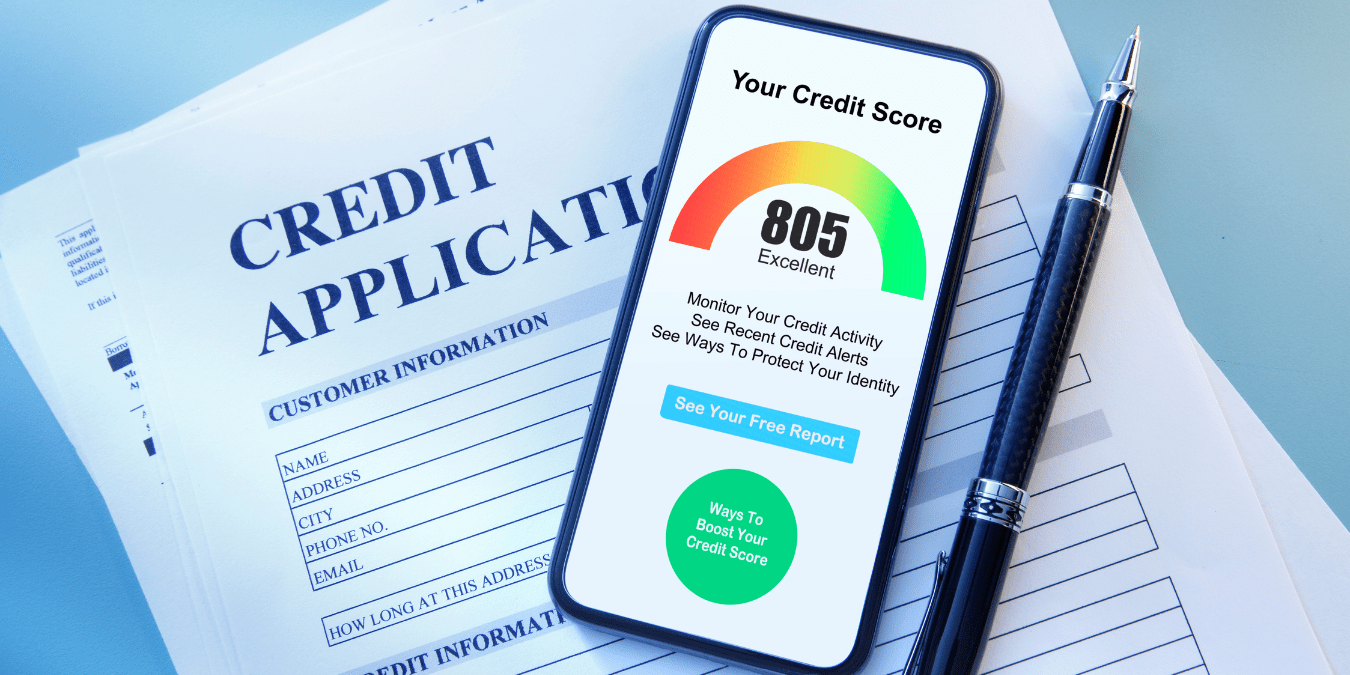
What a 800+ Credit Score Person Does Every Single Month That Most People in Their 30s Have Never Even Tried
People with 800+ credit scores aren’t just lucky — they follow a quiet monthly ritual most people in their 30s have never even attempted. One habit alone keeps their utilization near 4%. Discover the exact monthly system behind near-perfect credit that nobody talks about — but everyone should.
Most people in their 30s believe their credit score is something that just “happens” to them — a mysterious number that goes up when they’re lucky and down when life gets messy. But the people sitting comfortably above 800 know something fundamentally different: an elite credit score is not an accident. It is the direct output of a disciplined, repeatable monthly system that most people have never even thought about, let alone practiced.
According to Experian’s analysis of U.S. consumers, nearly a quarter of all Americans hold FICO scores of 800 or higher. That sounds like a big club until you realize what separates them from everyone else is not income, not luck, and not some secret financial product. It is a specific set of intentional monthly behaviors — actions taken consistently, month after month, year after year. If you are in your 30s and still treating your credit score as an afterthought, this article is the wake-up call you did not know you needed.
They Treat Payment Day Like a Non-Negotiable Appointment
The single most powerful monthly habit of every person with an 800+ credit score is devastatingly simple: they never miss a payment. Not once. Not even by a day. According to LendingTree’s analysis of 100,000 credit reports, every single consumer with a score of 800 or above had paid their bills on time each month without exception. This is not a coincidence — payment history accounts for 35% of your FICO score, making it the largest single factor in your entire credit profile.
What makes this habit exceptional is not just the act itself — it is the system behind it. People with 800+ scores do not rely on memory. They set up automatic payments for every recurring bill: credit cards, loan EMIs, utility bills, and even subscription services. They treat payment due dates the same way they treat a doctor’s appointment or a work deadline — something that simply does not get skipped. A single missed payment can stay on your credit report for up to seven years, which means one moment of forgetfulness in your 30s can haunt you well into your 40s.
They Monitor Their Credit Report Every Single Month Without Fail
Here is the habit that most people in their 30s have genuinely never tried: pulling up and reviewing their full credit report every single month, not just once a year. People with elite credit scores treat their credit report the way a business owner treats their profit and loss statement — as a living document that must be reviewed regularly for accuracy, errors, and opportunities.
Why does this matter so much? Because credit report errors are far more common than most people realize, and even a small inaccurate entry — a wrongly reported late payment, a fraudulent account, a duplicate debt — can shave dozens of points off your score. By reviewing their report monthly, 800+ score holders catch these errors early, dispute them immediately, and prevent long-term damage. This proactive stance is what separates people who maintain elite scores from those who only look at their report after something goes wrong.
They Keep Credit Utilization Shockingly Low — Around 4 to 7 Percent
If you are using 25% to 30% of your available credit and thinking “well, that’s under the recommended 30% limit, so I’m fine,” you are thinking like someone with a 720 score, not an 800+ score. Research shows that consumers with scores above 800 typically use only around 4% of the credit available to them. That is not a typo. Four percent.
Credit utilization makes up 30% of your FICO score, making it the second most important factor. People with excellent credit understand this deeply and act on it deliberately every month. Some of them spread their spending across multiple credit cards specifically to keep individual card utilization microscopically low. Others make mid-cycle payments — paying their balance partway through the billing period before the statement closing date — so that the balance reported to the credit bureaus is far lower than their actual monthly spending. This is a technique that the vast majority of people in their 30s have never even heard of, let alone implemented.
The mental model here is powerful: having access to a large amount of credit while using almost none of it signals to lenders that you are in complete control of your finances. As one financial expert put it, using only a fraction of available credit tells the system, “I have access to lots of money, but I don’t need it” — and that is the ultimate signal of creditworthiness.
They Never Apply for New Credit Without a Strategic Reason
People in their 30s often apply for new credit cards on impulse — a great sign-up bonus, a store discount at checkout, a friend’s recommendation. People with 800+ credit scores do the exact opposite. Every application for new credit is a deliberate, calculated decision made only after careful thought about whether it is truly necessary and what the impact will be.
This matters because every time you apply for new credit, a hard inquiry is placed on your credit report, and your score takes a small hit. More importantly, opening a new account lowers the average age of your credit history — a factor that accounts for 15% of your FICO score. People with elite scores protect the average age of their accounts the way a wine collector protects a vintage bottle. They do not open accounts casually, and they never close old accounts without a compelling reason, because a long credit history is a compounding asset that grows more valuable with every passing year.
The strategic mindset here is one most people in their 30s have not developed. Instead of reacting to credit offers, 800+ score holders plan their credit profile the way a financial advisor plans a portfolio — with intentionality, patience, and a long-term vision.
They Maintain a Diverse Credit Mix Deliberately
One of the most underrated monthly habits of 800+ score holders is the intentional management of their credit mix. Credit mix — meaning the variety of credit types you hold, such as credit cards, personal loans, auto loans, and home loans — accounts for 10% of your FICO score. While that might sound small, at the elite level every percentage point matters.
People with exceptional credit scores do not just hold credit cards. Over their financial lifetime, they have deliberately taken on and responsibly managed different types of credit. They have a home loan or car loan alongside their revolving credit card accounts, demonstrating to lenders that they can handle multiple forms of debt simultaneously and without distress. This is not about accumulating debt for the sake of it — it is about building a well-rounded credit profile that signals comprehensive financial maturity.
They Live Noticeably Below Their Means — and They Track It Monthly
This is the habit that cuts deepest, because it is not really about credit at all. It is about lifestyle. People with 800+ credit scores consistently spend less than they earn — and they know exactly where every rupee or dollar goes each month. Bill Balderaz, president of a healthcare firm and holder of an excellent credit score, has stated that as his income rose, he kept his spending flat. That discipline is the financial foundation that makes every other credit habit possible.
When you live below your means, you never need to rely on credit cards to cover shortfalls. You always have the cash to pay your balance in full. You never feel pressured to apply for a personal loan to cover an emergency. You build an emergency fund that protects your credit score from the kinds of life events — a job loss, a medical bill, a car breakdown — that cause ordinary people to miss payments and watch their scores collapse. Monthly budgeting is not just a financial habit for these individuals; it is a protective moat around their credit score.
They Pay Their Full Balance, Not Just the Minimum
Here is a specific action that 800+ score holders take every single month that most people in their 30s simply do not: they pay their credit card balance in full, every billing cycle. Not the minimum. Not 50%. The full amount. This habit does two things simultaneously. First, it keeps their credit utilization at or near zero going into the next month. Second, it means they pay zero interest, which keeps their debt level under control and their financial position strong.
According to LendingTree’s research, Americans with 800-plus credit scores carry an average of $171,553 in total debt including mortgages, and make average monthly debt payments of $1,945. What distinguishes them is not that they have no debt — it is that every dollar of that debt is structured, managed, and never overdue. They treat their credit card as a payment tool and a rewards vehicle, not as a borrowing mechanism to fund a lifestyle they cannot afford.
They Build and Protect an Emergency Fund
Most people in their 30s carry some form of consumer debt and have little to no liquid emergency savings. People with 800+ credit scores do the opposite. They maintain a dedicated emergency fund — typically three to six months of living expenses — in a separate, easily accessible account. This is a monthly habit because they actively top it up whenever it gets drawn down, treating contributions to this fund as a non-negotiable monthly expense, just like rent or EMI.
The connection between an emergency fund and a credit score is direct and powerful. When an unexpected expense hits someone without savings, they reach for a credit card or take on a personal loan. If that leads to a high utilization ratio, a missed payment, or a new hard inquiry, their score drops. The emergency fund is the buffer that prevents life’s inevitable surprises from becoming credit score disasters. This is one of the most underappreciated credit score protection strategies, and most people have never set it up with any real intention.
They Review Statements for Unauthorized Charges Monthly
Every person with an 800+ credit score reviews their full credit card and loan statements every single month, line by line. This is not just good financial hygiene — it is a credit score protection ritual. Unauthorized charges, billing errors, and fraudulent transactions can, if left unresolved, lead to disputed accounts, missed payments on incorrect amounts, and eventually derogatory marks on a credit report.
By catching problems within the billing cycle, elite credit holders resolve issues before they escalate. They also understand their spending patterns deeply, which reinforces the low-utilization habits described earlier. This monthly ritual costs nothing but thirty minutes of attention, yet most people in their 30s skip it entirely, scrolling past their statements or not reading them at all.
They Think in Years, Not Months
Perhaps the most important distinction between someone with an 800+ credit score and someone stuck in the 650 to 720 range is not any single habit — it is a mindset. People with exceptional credit think about their financial decisions in years and decades, not weeks and months. They know that the length of their credit history is a compounding asset. They know that the old credit card they opened at 22 is worth more to their score today than ever before, simply because it has aged. They never close it — not even if they barely use it — because they understand the long game.
This temporal patience is rare among people in their 30s, who are often making financial decisions reactively: responding to a great offer, reacting to a financial emergency, or simply not thinking about credit at all. The 800+ crowd made different choices — not because they were wealthier or smarter, but because they adopted a long-term framework for managing credit early, and then showed up for it every single month without exception.
The Monthly Credit Score Ritual That Changes Everything
If you want to build toward an 800+ credit score, the path is clear and the habits are replicable. Every month, without exception, do the following: pay every bill on or before the due date, review your full credit report for errors, check that your utilization is below 10% (ideally below 7%), pay your credit card balance in full, review every statement for unauthorized charges, and top up your emergency fund. None of these actions are complicated. None of them require a high income. All of them require consistency and the willingness to treat your credit profile as something worth protecting, month after month, for years.
The gap between a 680 and an 820 is not filled with financial genius or secret strategies. It is filled with repeatable monthly discipline that most people in their 30s have simply never committed to. The best time to start was ten years ago. The second best time is right now, this month, before the next billing cycle closes.
This article is written for informational purposes based on data from financial institutions including LendingTree, Experian, CRIF, and certified credit counseling professionals. Always consult a certified financial advisor for personalized credit guidance.