South Korea’s KOSPI Crashes 12% as Iran Conflict Sparks Massive Sell-Off Across Asia
South Korea’s KOSPI just CRASHED 12%—worse than 2020—in a frantic Asia sell-off. Why is Iran’s raging conflict suddenly tanking tech giants like Samsung? Oil chaos, hidden vulnerabilities exposed… Is YOUR portfolio next? Uncover the shocking chain reaction shaking global markets RIGHT NOW.
South Korea’s KOSPI crashing around 12% in a single session is more than a local market story; it is a snapshot of how geopolitical shocks, energy security fears, and tech-driven optimism can collide in today’s tightly connected global financial system.
What Just Happened in South Korea?
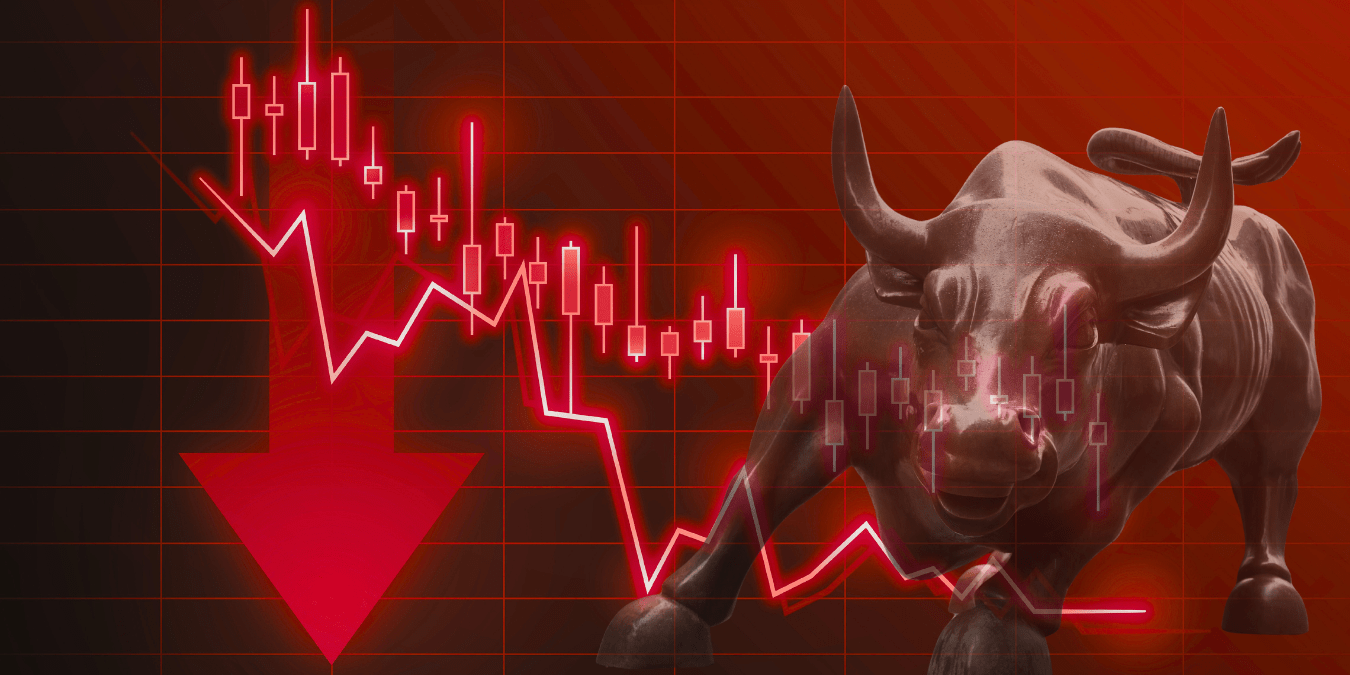
The KOSPI, South Korea’s main stock index, led a sharp downturn across Asia as the conflict involving Iran escalated and fears of a wider regional war intensified. The index plunged more than 12%, triggering temporary trading halts on the Korea Exchange designed to prevent panic-driven freefall. A separate circuit breaker was also activated on the tech-focused Kosdaq after it fell more than 8%, underscoring the severity of the sell-off in growth and technology shares.
This is particularly striking because South Korea had been one of the strongest-performing markets globally in 2026, buoyed by a powerful rally in semiconductor and AI-related stocks. The crash illustrates how quickly sentiment can flip when an external shock undermines assumptions about stability, oil supply, and the global growth outlook.
How the Iran Conflict Triggered the Sell-Off
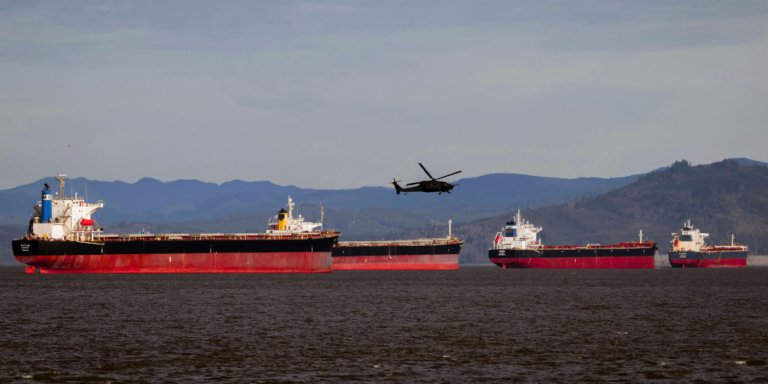
The immediate trigger for the KOSPI plunge was the widening war involving Iran, which sent oil prices sharply higher and stoked fears of a prolonged energy shock. Investors are especially worried about potential disruption around the Strait of Hormuz, a maritime chokepoint through which roughly a fifth of the world’s oil trade passes. Any sustained blockage or threat to shipping there could tighten global supply, keep crude prices elevated, and feed a new wave of inflation worldwide.
Higher oil prices hit sentiment on multiple fronts at once: they raise input costs for companies, squeeze household purchasing power, and complicate central banks’ efforts to manage inflation without killing growth. For trade‑dependent economies like South Korea, Japan, and Taiwan—each heavily reliant on imported energy from the Persian Gulf—the prospect of energy disruption is particularly unsettling. That is why these markets saw some of the steepest declines in Asia as the Iran conflict intensified.



Why South Korea Was So Vulnerable
South Korea sits at the intersection of three critical global themes: energy dependence, export-led growth, and the AI/semiconductor boom. Its economy imports most of its oil and gas, leaving it exposed when Middle East tensions threaten supply routes and drive prices higher. At the same time, South Korea’s stock market had rallied strongly on optimism about chips and artificial intelligence, with companies like Samsung Electronics and SK Hynix seen as key beneficiaries of global data and compute demand.
On the day of the crash, shares of Samsung and SK Hynix fell sharply, erasing part of their earlier gains and revealing just how crowded and sentiment-sensitive those trades had become. When investors reprice energy risk and recession odds at the same time, growth sectors with stretched valuations can become targets for aggressive profit-taking. The result is a double hit: macro fear from geopolitics and micro fear from valuation and positioning.
Ripple Effects Across Asia and Beyond
The KOSPI’s plunge did not happen in isolation; it coincided with declines in other major Asian indexes and weakness in global equities. In Tokyo, the Nikkei 225 fell several percent as Japan, like South Korea, relies heavily on oil and gas imports from the Middle East. Markets in Hong Kong, Shanghai, Taipei, and Southeast Asia also traded lower, reflecting a broad risk‑off mood and worries about slower global growth.
Outside Asia, the sell-off dovetailed with losses on Wall Street, where major U.S. indexes had already fallen on concerns that higher oil prices could reignite inflation and erode corporate profits. Investors are increasingly focused on whether central banks, especially the U.S. Federal Reserve, will have less room to cut interest rates if energy-driven inflation stays elevated. That tension between the need to support growth and the need to contain prices is likely to remain a central theme for global markets as the Iran conflict evolves.
An International Investor’s Lens: Risk, Opportunity, and Scenario Planning
From an international perspective, the KOSPI crash is a live case study in geopolitical risk management and portfolio construction. It highlights how exposures that looked attractive in a benign environment—such as concentrated bets on AI beneficiaries in energy‑dependent economies—can turn into sources of volatility when a shock hits. Global investors now have to grapple with several overlapping questions:
- Will the Iran conflict remain contained, or is there a risk of broader regional escalation that keeps oil elevated for months or longer?
- How will prolonged energy price pressure feed into inflation dynamics in the U.S., Europe, and Asia, and what does that imply for interest rate paths?
- Are markets like South Korea now oversold relative to their long‑term fundamentals, or are they correctly repricing a more uncertain and costly energy world?
For long‑term investors, such dislocations can create opportunities, but only if they are paired with disciplined risk controls, diversification across regions and sectors, and a clear understanding of how geopolitical shocks feed into earnings and valuations. The KOSPI’s sharp move is a reminder that even high‑quality assets in fast‑growing themes remain vulnerable to macro surprises.
What to Watch Next
Several indicators will shape how this story evolves for global markets:
- Energy markets: The path of oil prices, any talk of strategic reserve releases, and signals from major producers will be critical for inflation and growth expectations.
- Policy responses: Central bank communication on inflation risks and rate moves, as well as any fiscal measures to cushion households and key industries from energy shocks, will influence confidence.
- Market plumbing: The use of circuit breakers and trading halts in places like South Korea will continue to matter for intraday volatility and investor psychology.
- Corporate guidance: Earnings updates from major exporters, chipmakers, airlines, and logistics companies will give concrete clues about how higher energy costs and geopolitical uncertainty are hitting balance sheets.
For readers following this from an international angle, the KOSPI’s 12% crash is less a one‑off anomaly and more a signal flare: in a world of AI booms, stretched valuations, and fragile geopolitics, energy chokepoints and regional conflicts can still dominate the narrative. Keeping a clear view across regions, asset classes, and policy developments is essential to navigate the next phase of this evolving market shock.

With over 15 years of experience in Banking, investment banking, personal finance, or financial planning, Dkush has a knack for breaking down complex financial concepts into actionable, easy-to-understand advice. A MBA finance and a lifelong learner, Dkush is committed to helping readers achieve financial independence through smart budgeting, investing, and wealth-building strategies, Follow Dailyfinancial.in for practical tips and a roadmap to financial success!