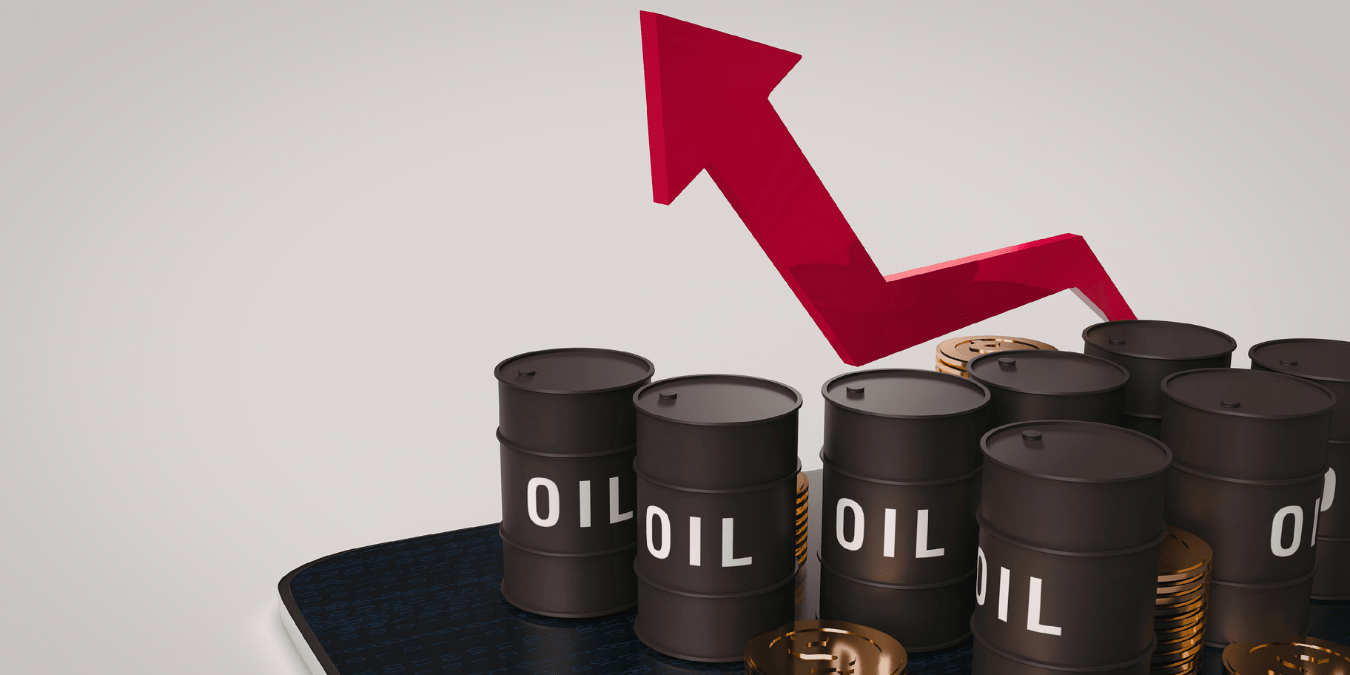
Petrol Price Relief Ahead? IEA Agrees to Release 400 Million Barrels from Strategic Reserves to Calm Oil Markets
The International Energy Agency (IEA) has greenlit its largest-ever release of 400 million barrels from member nations’ strategic reserves to counter skyrocketing oil prices amid the U.S.-Israel-Iran conflict. This move, surpassing the 2022 record of 182 million barrels, targets disruptions from the Strait of Hormuz near-closure, offering potential petrol relief for consumers worldwide.
Triggering the Crisis
The surge traces to escalating Middle East tensions, with Iran mining and attacking ships in the Strait of Hormuz, halting 20% of global oil flows—around 20 million barrels daily. Brent crude hit $119.50 per barrel earlier this week, its highest since 2022, before easing to $90.39 as of March 11, 2026.
This chokepoint funnels Persian Gulf oil to Asia and beyond; its blockade echoes 1970s oil shocks but at modern volumes. IEA Executive Director Fatih Birol called it “unparalleled,” uniting 32 members holding 1.2 billion barrels in public stocks.
IEA’s Historic Response
IEA members unanimously approved the release after an emergency meeting, more than doubling prior efforts. Japan plans unilateral taps next week due to heavy Middle East reliance; G7 backs the initiative.
The U.S., with the largest buffer (415 million barrels in SPR), leads; past uses include 2022 Ukraine response. Birol stressed reopening Hormuz as key, but reserves bridge immediate gaps.
| Past IEA Releases | Barrels Released | Trigger | Duration |
| 2022 | 182 million | Russia-Ukraine war | Months |
| 2011 | 60 million | Libya unrest | Weeks |
| Proposed 2026 | 400 million | Iran-Hormuz crisis | TBD |




Projected Market Impact
Releasing 10-14 million barrels daily for 30 days could cap prices at $90-100, per analysts, offsetting 25-33% of strategic stocks. Oil futures dipped on news, signaling relief.
However, prolonged Hormuz closure might overwhelm even max releases; Rystad Energy warns of shortfalls. U.S. sanctions relief on Russian oil aids too.
India’s Position
India, not an IEA member, opts out of releases, citing ample 5.33 million tonne (80% full) strategic reserves at Visakhapatnam, Mangaluru, Padur—~9.5-74 days’ buffer with commercial stocks. Petrol/diesel prices stable March 11 despite global volatility; government sources affirm no taps needed.
Imports (85% of needs) continue via Russian crude waivers; extra U.S./Canada LPG secured. Hyderabad/Lucknow consumers see no hikes yet, but watch OMCs like IOCL.
Fuel Price Ripple Effects
Global: Expect 5-10% petrol drops in weeks if sustained; Europe/U.S. drivers gain most. Aviation/jet fuel eases, boosting travel.
India: Stable retail (Delhi petrol Rs 95/liter); indirect benefits via lower input costs for refiners. EV push cushions, but 400 million two-wheelers feel any spikes.
Inflation Check: Oil at 10% of CPI; relief curbs food/transport inflation.
| Fuel | Current India Price (Delhi, Mar 11) | Potential Post-Release Drop |
| Petrol | Rs 94.77/liter | 2-5 Rs |
| Diesel | Rs 87.62/liter | 2-4 Rs |
| ATF | Rs 90,000/kl | 5-8% |
Long-Term Energy Lessons
Strategic oil releases offer short-term relief but expose the fragility of fossil fuel dependence, pushing nations toward robust diversification. Renewables like solar and wind must scale rapidly—India targets 500 GW by 2030, while U.S. shale production could surge 2 million bpd with tech advances.
IEA’s 1.8 billion barrel collective reserves provide a 60-day global buffer at current demand, but India’s push for 90-day strategic stockpiles (expanding to 15 million tonnes) signals proactive resilience. The Trump administration’s SPR refills, holding 415 million barrels, face delays from cavern corrosion, underscoring maintenance urgency amid 108 million bpd consumption.
Efficiency gains—EVs, hydrogen—cut demand risks; OPEC+ spare capacity (5 million bpd) buys time, but climate goals demand phase-outs. True security lies in hybrid grids, not hoarding hydrocarbons.
Consumer Tips
Stay ahead of fuel costs by tracking Oil Marketing Companies (OMCs) like Indian Oil and BPCL via apps or sites for daily price updates—fill tanks when dips occur post-IEA releases. In India, petrol in Delhi holds at Rs 94.77/liter as of March 11, 2026, but global relief could shave Rs 2-5 soon.
Boost mileage 10-20% with simple habits: turn off AC on highways (saves 5-10%), maintain steady 50-60 km/h speeds, keep tires inflated to 32-35 PSI, and avoid idling. Use apps like Fuelio to log efficiency.
Amid volatility, budget EVs shine—Tata Nexon EV starts at Rs 14.5 lakh with FAME-III subsidies up to Rs 1.5 lakh, cutting lifetime fuel costs by 70%. Hyundais and MG models qualify too. This IEA reserve flood signals market unity, steadying pumps as Hormuz updates unfold—monitor for sustained relief.