This summary provides a comprehensive overview of the Manba Finance IPO, highlighting key details and investor interest:
- Strong Investor Response: The Manba Finance IPO was fully subscribed within minutes of opening on September 23, 2024.
- Subscription Details: The IPO saw significant interest from retail and high-net-worth individual (HNI) investors.
- Price Band: Shares were offered in the price band of ₹114-₹120 per share.
- IPO Size: The company aimed to raise ₹150.84 crore through the IPO, with a fresh issue of 1,25,70,000 equity shares.
- Oversubscription: By noon on the first day, investors had bid for 6,83,20,875 equity shares, which is 7.76 times the 87,99,000 shares on offer.
- Retail and NII Interest: The retail portion was subscribed 10.78 times, while the NII portion saw a subscription of 10.63 times.
- Grey Market Premium: The grey market premium (GMP) for Manba Finance shares was around ₹60, indicating a potential 50% listing gain.
- Company Background: Established in 1998, Manba Finance is a non-banking finance company (NBFC) offering loans for two-wheelers, three-wheelers, used cars, small businesses, and personal loans.
- Market Presence: The company operates in six states: Maharashtra, Gujarat, Rajasthan, Chhattisgarh, Madhya Pradesh, and Uttar Pradesh.
- Brokerage Views: Brokerage firms have a positive outlook on the IPO, citing strong financials and growth potential, though they note concerns about rising capital costs and bad loans.
-
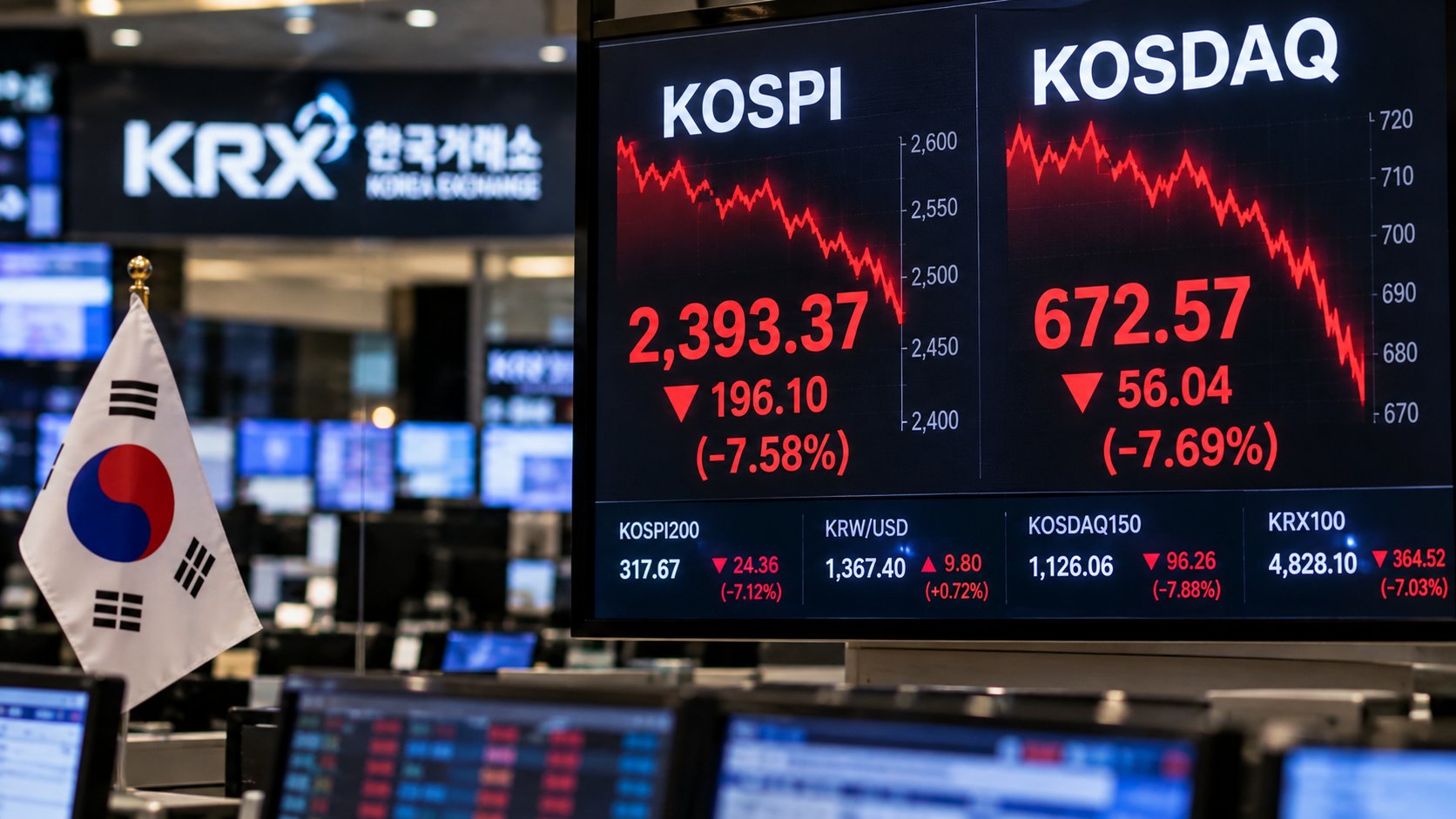
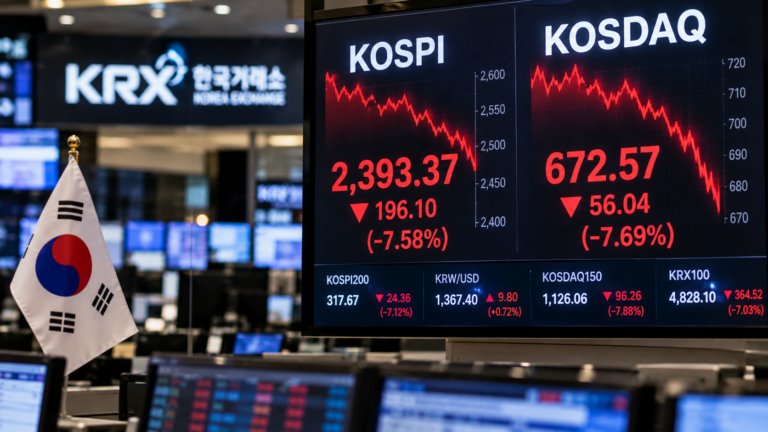
Why KOSPI and KOSDAQ Hit Circuit Breakers on ‘Black Thursday’ — and What the 7.6% Crash Means Now
Why KOSPI and KOSDAQ Hit Circuit Breakers on ‘Black Thursday’ — and What the 7.6% Crash Means Now KOSPI 5,554.22 ▼ 7.57%KOSDAQ 760.82 ▼ 7.65%SK hynix ▼ 11.06%Samsung Elec. ▼ 9.48%Fri: KOSPI ▲ 2.05% Markets · South Korea · 15 to 16 October 2026 Why KOSPI and KOSDAQ Hit Circuit Breakers on ‘Black Thursday’ —…
-
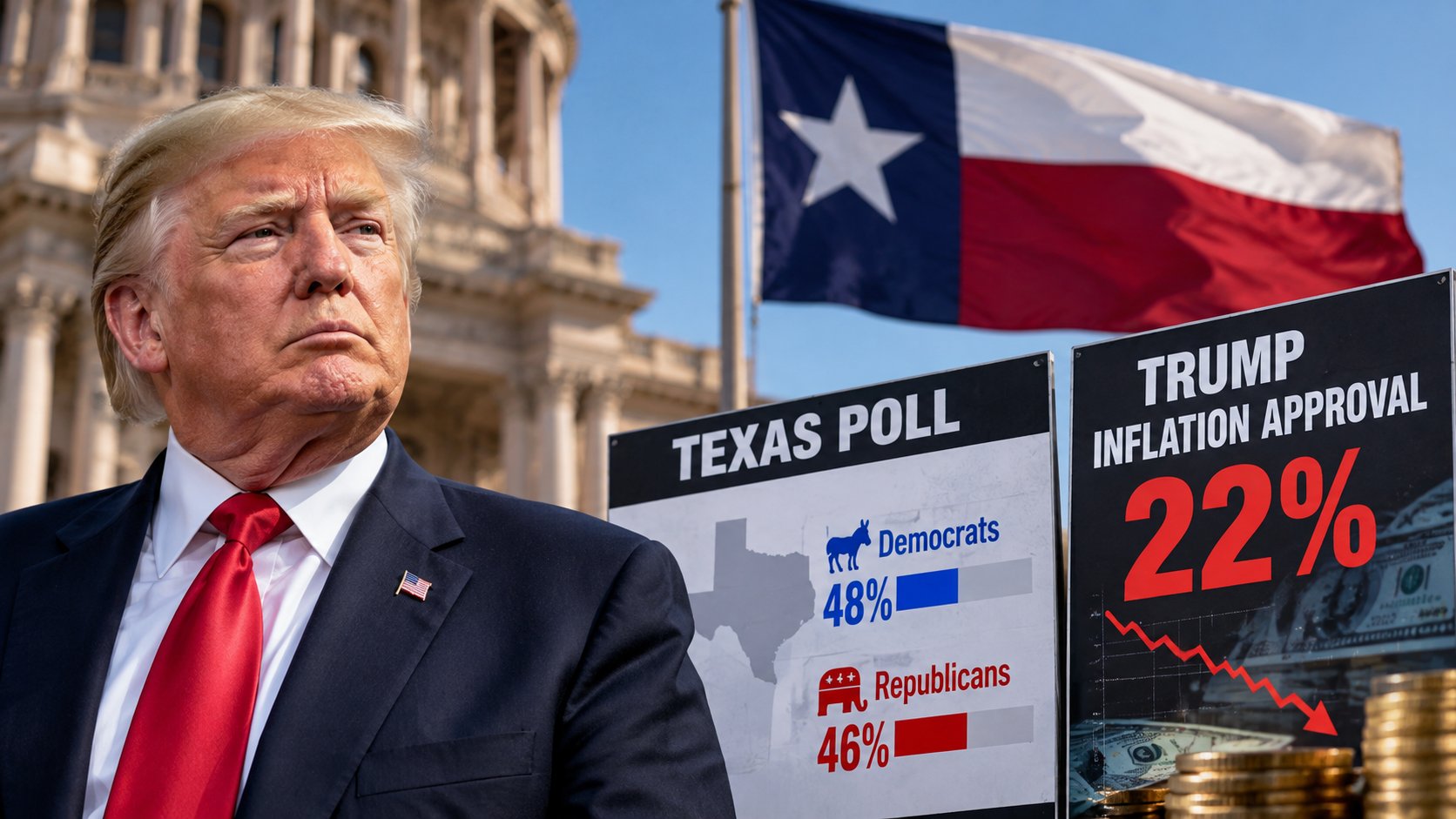
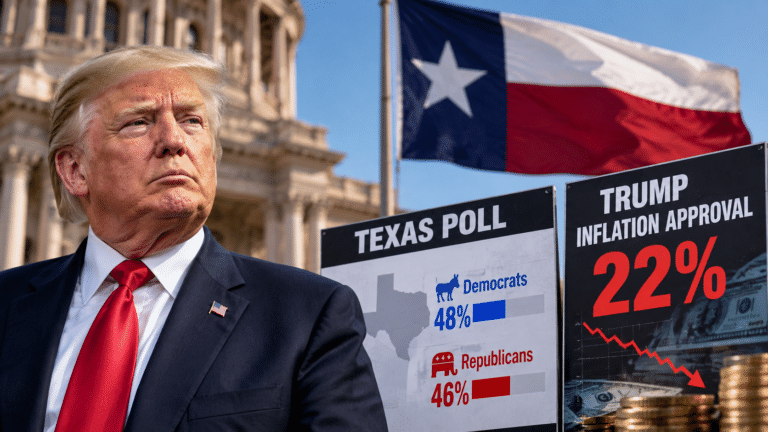
Texas Polls Show Democrats Narrowly Ahead as Trump’s Inflation Approval Falls to 22% — How Real Is the Shift?
Texas Polls Show Democrats Narrowly Ahead as Trump’s Inflation Approval Falls to 22%: What the Numbers Mean US Politics · 2026 Midterms · Texas and the Economy Texas Polls Show Democrats Narrowly Ahead as Trump’s Inflation Approval Falls to 22% — How Real Is the Shift? A University of Texas poll has Democrats leading four…
-

Are Mobile Prices Really Crashing? Diwali Deals vs a 16% Rise — Plus iPhone Duo’s India Price and What iQOO Neo 12 Brings
Are Mobile Prices Really Crashing? Diwali Deals vs a 16% Rise, iPhone Duo India Price and iQOO Neo 12 Specs Tech News · Smartphones · India · October 2026 Are Mobile Prices Really Crashing? Diwali Deals vs a 16% Rise — Plus iPhone Duo’s India Price and What iQOO Neo 12 Brings Festive discounts are…
-

The 10 Rule Changes Already Shaping Your Money by 17 October — UPI Charges, LPG Checks, ATM Limits and More
10 Rule Changes in Force Across India by 17 October 2026: UPI Charges, LPG Checks, ATM Limits and More OCT 202617Rules in force as of this date Money and Daily Life · India · Rule Changes The 10 Rule Changes Already Shaping Your Money by 17 October — UPI Charges, LPG Checks, ATM Limits and…
-

LIC’s 3 New Plans From 19 October: New Jeevan Dhara-II, Health Shield and New Cancer Cover — What Each Pays and Who It Suits
LIC’s 3 New Plans From 19 October: New Jeevan Dhara-II, Health Shield and New Cancer Cover Explained Insurance · LIC Product Launch · October 2026 LIC’s 3 New Plans From 19 October: New Jeevan Dhara-II, Health Shield and New Cancer Cover — What Each Pays and Who It Suits LIC opens sales of a deferred…
-

After the Sensex Rocketed 1,534 Points, Can Nifty Finally Conquer 23,000?
After the Sensex Rocketed 1,534 Points, Can Nifty Finally Conquer 23,000? Dailyfinancial.in Market Desk | Friday, 16 October 2026 | Closing data as of market close, 15 October 2026, with pre-open and early-trade cues for 16 October Quick Summary: The Numbers That Matter (as of market close, 15 October 2026) BSE Sensex: 74,315.61, up 1,533.72…