Your LPG Cylinder Booking May Stop Soon — Here Is How to Complete e-KYC in Under 10 Minutes
LPG prices to slash ₹30-40 on Jan 1, 2026? Crude oil crashes 21% to $60/barrel—lowest since 2021—sparking massive household relief. But is this a trap? Hidden global shocks loom. Will YOUR cooking gas bill finally drop, or rebound higher? Unmissable energy twist ahead!
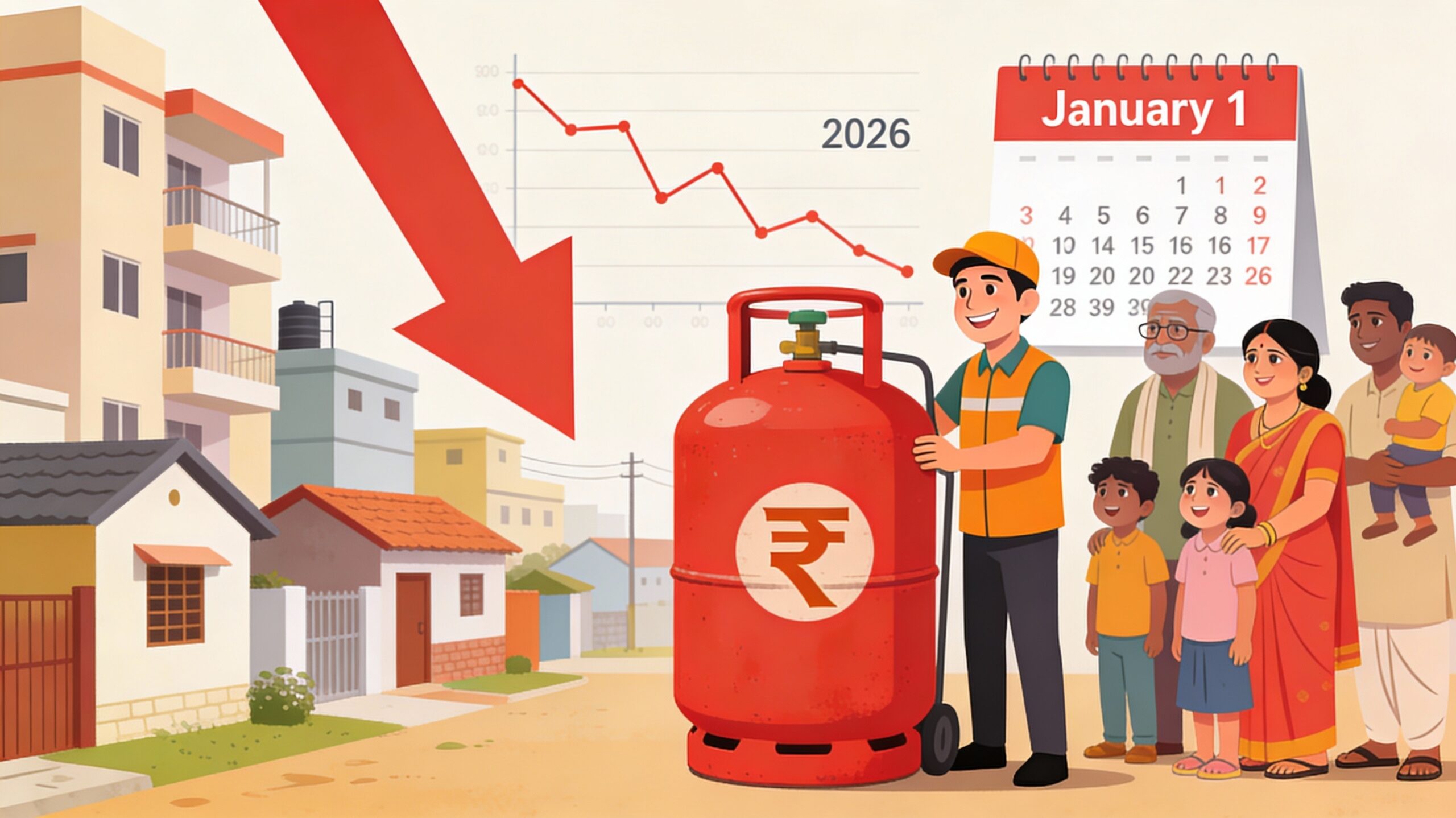
India’s energy consumers may soon get a pleasant New Year gift. As the country steps into 2026, expectations are rising that domestic LPG (liquefied petroleum gas) cylinder prices could be revised downward, bringing relief to millions of households. According to early market indicators, the price cut could range between ₹30 and ₹40 per cylinder, depending on local distribution costs and city-specific taxes.
Currently, LPG cylinder prices hover between ₹850 and ₹943 across major Indian metros such as Delhi, Mumbai, Kolkata, and Chennai. If the expected revision takes place on January 1, 2026, consumers could see one of the most significant reductions in cooking gas prices in nearly three years.
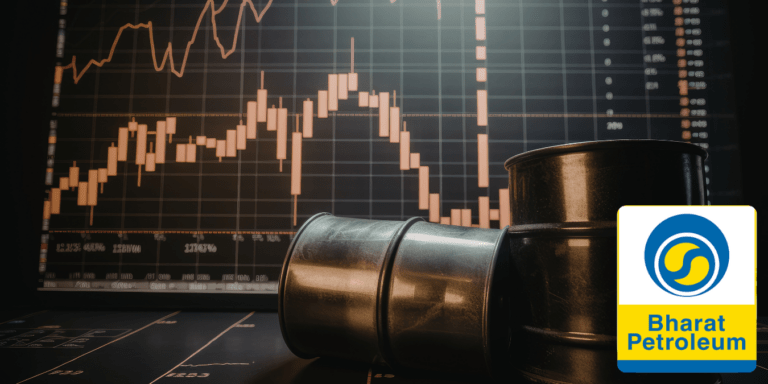
The adjustment comes at a time when global crude oil prices have fallen sharply by 21% over the past year, settling at around $60 per barrel—the lowest level since 2021. This sustained decline in international crude oil markets has indirectly eased the cost structure for LPG producers and distributors, paving the way for a potential retail price correction.
LPG Price Revisions: How They Impact Everyday Life
To most Indian households, the term “price revision” evokes immediate attention. LPG cylinders are central to daily cooking needs—so even a minor fluctuation in prices directly affects living costs, especially in middle- and lower-income families.
For many, LPG is not just a fuel; it’s a symbol of the transition to cleaner cooking energy. Over the past decade, India has made remarkable progress in making LPG accessible to almost every household. Government initiatives such as Pradhan Mantri Ujjwala Yojana (PMUY) have dramatically expanded coverage in rural and low-income areas, connecting millions of women to cleaner energy sources.
A downward revision in prices, therefore, has multidimensional benefits:
- Household relief: Reduced LPG costs would help offset inflationary pressures on essential commodities.
- Increased adoption: Lower prices can encourage more households to switch from solid fuels like wood or coal back to LPG, improving health and environmental outcomes.
- Political goodwill: As 2026 marks the beginning of several state election cycles, potential price cuts also carry political implications.




Why Are LPG Prices Expected to Fall?
The rumored LPG price cut isn’t random—it’s a response to measurable market trends. Several economic and geopolitical factors have aligned to support a potential downward revision.
1. Global Crude Prices Have Dropped by 21%
Crude oil is the starting point for LPG production. Global benchmark rates have fallen from over $75 per barrel to around $60 in 2025, mainly due to increased U.S. shale output, higher production quotas from OPEC countries, and sluggish demand recovery in some economies.
A 21% dip in crude prices translates to lower base costs for refiners and suppliers. This ripple effect often reaches domestic LPG rates with a lag of one to two months.
2. Reduction in International LPG Contract Prices (CP)
India imports a significant portion of its LPG requirement. The international benchmark, Saudi Aramco Contract Price (CP), is a critical indicator for Indian import contracts. Over the last quarter of 2025, CP has also declined by $60–70 per metric ton, signaling cheaper import costs for Indian oil marketing companies (OMCs).
3. Stable Currency Exchange Rate
The Indian rupee has been relatively stable compared to the U.S. dollar, trading between ₹82 and ₹84 per USD for most of the year. This minimizes imported inflation and supports a price cushion for OMCs.
When crude prices dip and the rupee doesn’t lose value, domestic fuel prices tend to reflect the benefit more transparently.
4. Policy Adjustments and Reduced Subsidy Burden
With falling international LPG costs, the government may use this as an opportunity to reduce subsidy expenses without hurting consumers. Currently, subsidized LPG beneficiaries under PMUY receive direct benefit transfers to offset high prices. If prices fall naturally, subsidy payouts drop, easing fiscal pressure.
A Look at Current LPG Prices Across Major Cities
As of December 2025, domestic LPG prices roughly range as follows:
| City | Current Price (₹/14.2 kg cylinder) |
| Delhi | ₹903 |
| Mumbai | ₹902 |
| Kolkata | ₹929 |
| Chennai | ₹918 |
| Bengaluru | ₹910 |
| Hyderabad | ₹918 |
| Jaipur | ₹898 |
| Lucknow | ₹903 |
| Patna | ₹943 |
| Ahmedabad | ₹890 |
If the expected revision of ₹30–₹40 per cylinder kicks in, prices could fall to the range of ₹860–₹910 per cylinder, offering modest yet meaningful relief.
The Broader Context: 2025’s Energy Market Story
The potential LPG price cut cannot be seen in isolation—it’s part of a larger energy market narrative that defined 2025.
1. Global Energy Oversupply
Throughout 2025, global oil markets faced excess supply, particularly from North American producers. Despite OPEC+ attempts to stabilize output, production continued to exceed demand following the post-pandemic expansion of renewable energy and energy efficiency measures worldwide.
2. Weak Industrial Demand in China and Europe
Demand recovery in major economies such as China and the Eurozone has been notably slower. Industrial fuel consumption, a key driver of global oil prices, weakened amid subdued manufacturing activity and slower investment.
These macroeconomic conditions depressed global hydrocarbon prices—including LPG feedstocks—making energy imports cheaper for developing economies like India.
3. India’s Refining and Storage Gains
Indian refiners, learning from 2022–23’s price volatility, strategically built higher crude and LPG inventories during periods of low prices. This proactive procurement strategy helped cushion domestic markets from short-term international shocks throughout 2025.
4. Government Focus on Price Stability
The Indian government’s energy pricing policies during 2025 targeted a balance: avoiding sharp consumer price fluctuations while managing fiscal discipline. A combination of monthly review mechanisms and dynamic pricing allowed OMCs to adjust retail prices gradually rather than through abrupt shocks.
How LPG Pricing Works in India
To understand why prices change, it’s useful to look at the LPG pricing mechanism in India.
1. Import Parity and Freight Costs
India imports close to 55% of its LPG requirement. Import parity—based on international contract prices plus freight, insurance, customs duties, and port handling—forms the base of domestic pricing. When global LPG prices fall, the benefit flows downstream through this chain.
2. Oil Marketing Companies (OMCs)
OMCs like Indian Oil Corporation (IOC), Bharat Petroleum (BPCL), and Hindustan Petroleum (HPCL) revise LPG prices monthly—typically on the 1st of each month. Their pricing reflects the weighted average of global price movements, exchange rates, and local logistics.
3. Government Subsidy and Cost Absorption
For eligible low-income households under PMUY, the government subsidizes a portion of the cost. During periods of high global prices, OMCs sometimes absorb additional costs temporarily to avoid passing large increases to consumers—a practice adjusted later once markets stabilize.
What This Means for Consumers
If the LPG price cut materializes, its impact will vary for different segments of society.
Urban Middle-Class Consumers
For urban households, where LPG usage averages 1 cylinder per month, a ₹40 cut translates to annual savings of around ₹480–₹500—not massive, but meaningful amid rising grocery and utility costs.
Rural and PMUY Households
For rural beneficiaries using subsidized LPG, the impact is twofold:
- Lower effective market prices reduce the gap between market and subsidized rates.
- Government spending on subsidy reimbursements decreases, which can be redirected to expanding PMUY coverage or infrastructure.
Small Businesses and Food Vendors
Street food stalls, small eateries, and commercial kitchens—all rely heavily on LPG. Reduced input costs can improve margins for these small enterprises and, in some cases, help prevent menu price inflation.
Environmental and Policy Implications
Falling LPG prices do more than ease monthly budgets—they influence India’s long-term energy transition strategy.
- Encouraging Cleaner Cooking: Affordable LPG discourages households from reverting to traditional biomass fuels like firewood or dung cakes, which contribute to indoor air pollution and deforestation.
- Reducing Inequality: Price reductions make clean cooking energy more accessible to low-income families, enhancing social equity.
- Balancing Renewables and Fossil Fuels: While India continues investing in electric and biogas alternatives, stable LPG prices ensure that the shift toward cleaner energy happens gradually and inclusively.
Market Caution: Why Prices Might Still Change
Despite strong indications of a price cut, a few variables could influence the final outcome on January 1, 2026.
1. Global Geopolitical Developments
Sudden disruptions—like tensions in oil-producing regions or shipping chokepoints such as the Suez Canal—can immediately shift global energy prices. A sharp rebound in crude oil could limit the magnitude of domestic price cuts.
2. Seasonal Demand Spikes
Winter months see higher LPG consumption globally for heating, especially in Europe and East Asia. A short-term demand surge could inflate international LPG contract prices just before India’s monthly adjustment window.
3. Currency Movements
If the Indian rupee weakens significantly against the dollar before month-end, import costs could rise enough to offset part of the potential reduction.
How Consumers Can Stay Updated
To keep track of LPG price changes:
- Visit the official IOC, BPCL, or HPCL websites each month after revisions.
- Use mobile apps from respective providers to check real-time LPG cylinder prices for your city.
- Subscribe to LPG distributor messages or notifications for timely alerts on delivery and rate revisions.
Proactive monitoring helps households plan refill bookings strategically—especially if you anticipate a price drop in the coming weeks.
Broader Energy Market Outlook for 2026
Economists and energy analysts suggest 2026 will be a year of relative stability for fuel prices, at least in the first half. The key trends include:
- Moderate Oil Price Range: Most forecasts place global crude prices between $58–$70 per barrel through mid-2026.
- Gradual Demand Recovery: As Asia and Africa industrialize, demand will slowly pick up again by late 2026, but supply capacities remain robust.
- Government Price Interventions: India may continue balancing fuel affordability with revenue requirements, aiming to prevent steep price swings.
- Sustainability Push: With COP29 commitments and domestic climate goals tightening, India will continue expanding LPG access alongside renewable initiatives.
These factors collectively signal that the upcoming price cut could be followed by a period of relatively stable cooking gas rates—a welcome respite from the volatility seen in past years.
The Road Ahead: Ensuring Long-Term Price Stability
Short-term price relief is encouraging, but sustained affordability and energy security require deeper structural measures.
- Diversifying LPG Sources: India can further mitigate future risks by diversifying import contracts beyond the Middle East—toward Africa, Southeast Asia, and Latin America.
- Expanding Domestic Production: Encouraging private sector investment in domestic LPG extraction and refining capacity will reduce dependence on imports.
- Strengthening Storage Infrastructure: Increasing buffer stock capacities ensures better insulation from global price spikes.
- Promoting Alternative Fuels: Biogas and electric cooking solutions, when gradually integrated, can reduce household energy costs overall.
Public Sentiment: Relief and Caution
As news of possible LPG price cuts spreads, social media and local discussions reflect a mix of hope and cautious optimism.
For many families, a ₹30–₹40 reduction means an immediate monthly relief amid ongoing inflation concerns. Yet, consumers remain aware that LPG prices, like petrol and diesel, are vulnerable to global market forces—and that temporary relief may not always last.
Economic analysts, however, view the current scenario positively. They argue that a combination of declining crude prices, controlled inflation, and government fiscal caution create “ideal conditions” for lasting moderation in essential fuel costs.
The Bottom Line
The anticipated LPG price cut on January 1, 2026, represents more than a routine adjustment—it’s a reflection of global market dynamics, domestic fiscal prudence, and the continued effort to make clean energy accessible for all.
If predictions hold true, consumers could start the new year with cheaper cooking fuel, improved household savings, and renewed confidence that India’s energy policies can adapt to changing economic winds.
While long-term stability depends on unpredictable geopolitics and market cycles, the coming revision—driven by a 21% decline in crude prices—offers a timely dose of optimism for millions of Indian families who depend on LPG each day.
After years of volatility and uncertainty, 2026 may well begin with a small but meaningful victory in the ongoing pursuit of affordable, clean, and sustainable energy for every home.