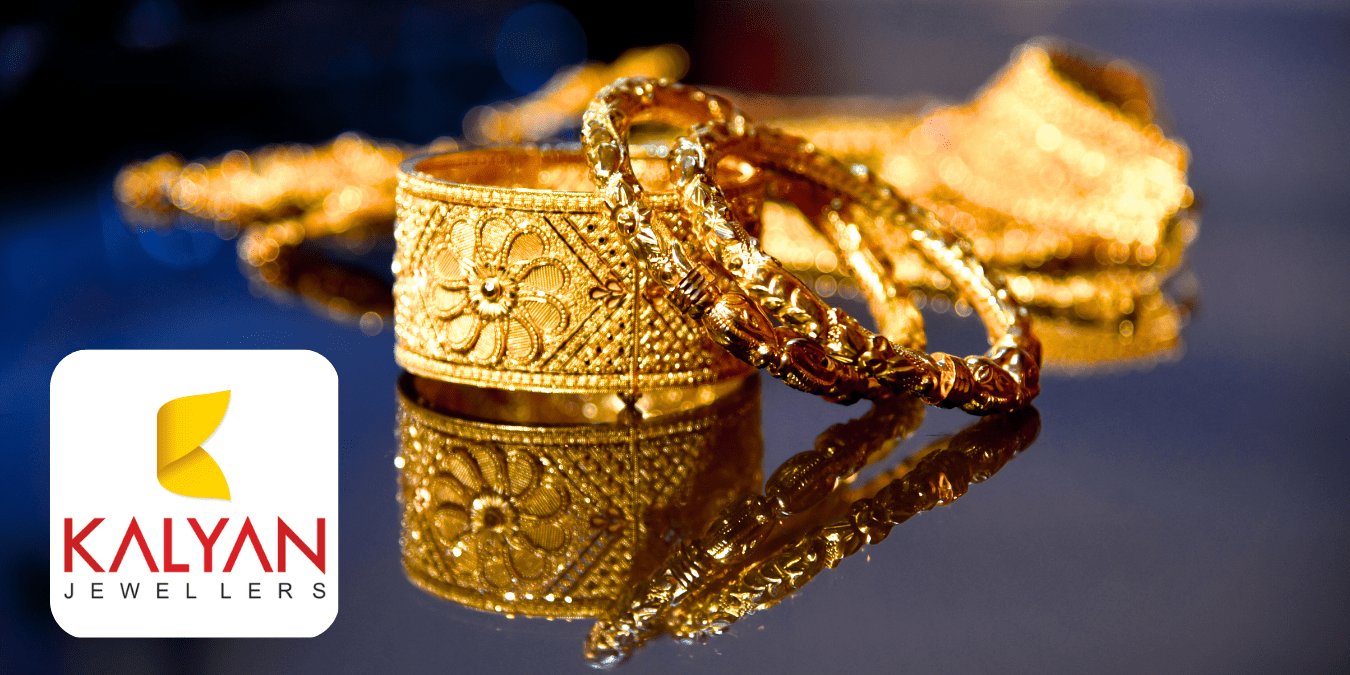
Kalyan Jewellers Share Price Jumps 12% After Q3 FY26 Profit Surge
Kalyan Jewellers’ stock exploded 12% to ₹435 after a jaw-dropping 90% Q3 profit surge—but is this gold rush sustainable? Hidden debt risks, Titan rivalry, and lab-grown threats loom. Discover why savvy Indian investors are eyeing dips above ₹400… before the next wedding boom hits!
Kalyan Jewellers India Ltd’s stock has rocketed over 12% to around ₹435 as of February 9, 2026, powered by stellar Q3 FY26 earnings that crushed estimates amid festive gold frenzy. Tracing roots from Thrissur’s bustling markets to 436 showrooms nationwide, this jeweller captures India’s wedding-gold obsession for savvy retail investors.
Understanding Kalyan Jewellers as a Business
Before diving into share price analysis, it’s crucial to understand what makes Kalyan Jewellers tick. Founded by T.S. Kalyanaraman in 1993 in Thrissur, Kerala, the company has grown to operate over 160 showrooms across India and the Middle East. Unlike many traditional jewellers, Kalyan has invested heavily in building a consumer brand, enlisting celebrities like Amitabh Bachchan, Aishwarya Rai Bachchan, and Katrina Kaif as brand ambassadors.
The company’s business model revolves around offering a wide range of gold, diamond, and platinum jewellery through company-owned showrooms. What differentiates Kalyan is its focus on trust and transparency, particularly important in an industry that has historically struggled with consumer confidence issues.
The 2021 IPO at ₹87/share fetched ₹1,175 crore, 2.61x subscribed, BSE/NSE debut March 26 amid COVID grit. Pre-IPO, Warburg Pincus pumped ₹1,200 crore (2014-17); promoters retain 75% stake, FIIs 16%. “Trust” ads with Amitabh Bachchan echo tier-2 loyalty, franchise model scaling fast.
Q3 FY26 Earnings Fuel Fireworks
Q3 FY26 revenue exploded 42% YoY to ₹10,343 crore (vs ₹7,278 crore), net profit vaulted 90% to ₹416 crore from ₹219 crore. India ops: South +34%, North/East momentum; Middle East revenue ₹1,164 crore (+38%), PAT ₹12 crore.
NSE/BSE shares surged from ₹380 Feb 6 close to ₹442 peaks, 73M volume spike, mcap nearing ₹46,000 crore. JM Financial hails 40% revenue beat, debt cuts easing leverage; diamond/studded sales outran plain gold, riding premium trends.
| Key Metric | Q3 FY26 | Q3 FY25 | YoY Change |
| Total Revenue | ₹10,343 Cr | ₹7,278 Cr | +42% |
| Net Profit | ₹416 Cr | ₹219 Cr | +90% |
| India Revenue | ₹9,179 Cr | ₹6,436 Cr | +43% |
| Intl Revenue | ₹1,164 Cr | ₹842 Cr | +38% |



Financial Health and Debt Levels
Kalyan Jewellers maintains solid financial health with moderate leverage and improving debt metrics as of late 2025 data. Total debt stood at ₹3,293 crore in March 2025 (FY25), down slightly from ₹3,326 crore in FY24, signaling ongoing deleveraging amid robust cash flows.
Debt Profile
Total debt includes gold metal loans (GMLs) for inventory financing, typical in jewellery retail. FY25 net debt equated to ₹5,118 crore ($611M), with long-term ₹1,054 crore and short-term ₹428 crore earlier. Q2 FY26 earnings call noted ₹130 crore reduction, targeting further cuts to near-zero GML by FY27 end.
Debt trended down: FY23 ₹3,509 Cr → FY25 ₹3,293 Cr (-6% over 2Y), aided by ₹2,000Cr+ FY26 revenue trajectory.
Key Ratios
Debt-to-equity ratio improved to 0.20 (Mar 2025) from 0.79 (FY24), or net D/E 0.85 per recent analysis—moderate for sector (avg 1.2). Interest coverage 3.4-3.7x covers obligations comfortably; ops cash-to-debt 24-37% supports repayment.
| Ratio | FY25 Value | Trend (Recent Yrs) | Peer Context |
| Debt/Equity | 0.20-0.85 | ↓ from 1.1 | Sector avg 1.2 |
| Net Debt/Equity | 0.8 | ↓ 11.7% YoY | Healthy |
| Interest Coverage | 3.4x-3.67x | Stable | Well-covered |
| Debt/Assets | 23-27% | ↓ | Low risk |
Liquidity and Overall Health
Cash reserves ₹1,031 crore bolster buffers; equity base ₹4,804 crore yields total assets ₹15,126 crore. Q3 FY26 PAT ₹416 crore (90% YoY) and EBITDA ₹750 crore (+75%) enhance free cash for debt paydown. No promoter pledges; ROE strong on 42% revenue growth.
Risks: Gold volatility ties to GMLs, but hedging and 27% SSSG mitigate. Overall, deleveraging trajectory supports expansion without distress.
India’s Gold Jewellery Powerhouse
At $90B+ (2025), India’s market projects 12-14% FY26 value growth despite gold hitting ₹80,000+/10g, driven by 10M+ weddings (60% sales), Diwali/Akshaya Tritiya. Organised players (8-10% share) sprint 18-20%; Kalyan claims 8-9% via 170 FY26 franchises (83 domestic).
South remains fortress, North expansions challenge incumbents; soaring prices pivot to lighter designs, exchange schemes boosting ₹500Cr upgrades. WGC predicts 2026 demand at 600-700T (down from 711T), investment cushioning jewellery softness.
Historical Price Trends and Metrics
Kalyan Jewellers’ share price has shown volatile growth since its 2021 IPO, peaking at ₹618 (Jul 2024/25) before dipping to a 52-week low of ₹348 (Jan 2026), with recent Q3 FY26 rally pushing it to ₹436+ on Feb 9, 2026.
Price History Overview
IPO-listed at ₹102 (post-gain from ₹87 issue), shares climbed to ₹500+ by mid-2022 amid post-COVID demand, corrected to ₹250s in 2023 bear phase. 2024-25 bull run hit 52W high ₹618 (Jul 24, 2025), fueled by store expansions; Jan 2026 low ₹348 amid gold volatility. Feb 2026: Feb 4 ₹384, Feb 5 ₹376, Feb 6 ₹380 (+1%), Feb 9 ₹436 (+14.6%, high ₹443, vol 74M).
1Y returns pre-rally 116% (to mid-2025 highs), but YTD 2026 mixed until Q3 beat; 3Y 425%, 5Y N/A but strong since list.
| Period | High | Low | Key Event |
| IPO (Mar 2021) | ₹102 | – | Listing pop |
| 2022 Peak | ₹500+ | ₹250 | Post-COVID surge/correction |
| Jul 2025 | ₹618 | – | Expansion high |
| Jan-Feb 2026 | ₹443 | ₹348 | Gold dip/rally |
Dividends
Modest payouts: FY25 ₹1.50 final (Sep 2025 ex), yield 0.3%; FY24 ₹1.20 (Aug 2024), FY23 ₹0.50. Total yield low for growth focus.
Peer Showdown in Retail Bling
Titan Company leads the organised jewellery sector with unmatched scale and diversification, while Kalyan Jewellers aggressively closes the gap through rapid franchise expansion. Unlisted players like Malabar Gold and Joyalukkas dominate NRI markets, PC Jeweller stages a comeback, and Bluestone captures urban digital shoppers with omnichannel innovation.
Comprehensive Peer Comparison
| Company | Mcap/Val (₹ Cr, Feb 2026) | Stores (Latest) | FY25 Revenue (₹ Cr) | YoY Growth (Recent) | Key Strengths | Key Challenges | Market Focus |
| Titan (Tanishq/CaratLane) | 2,95,630 | 3,377+ | 60,378 (total); Jewels 53,504 | 18-20% (Q2 FY26) | Tata brand trust, watches/eyewear div (24% growth), 88% jewel rev, global intl +86% | Premium pricing pressure, gold cost volatility | Pan-India, premium urban |
| Kalyan Jewellers | 46,000 | 436 | 25,045 | 35% FY25 | Franchise agility (85-90/yr adds), South India fortress, Middle East 25% rev, studded premiumisation | Gold loans exposure, regional concentration | Tier 2/3 + NRI |
| PC Jeweller | 8,500 | 150+ | 2,245 | 63% Q2 FY26 sales | High margins (25%), aggressive pricing, post-crisis revival (PAT ₹578 Cr FY25) | Past debt overhang, execution risks, far from FY20 ₹5,206 Cr peak | North India revival |
| Bluestone | 7,800 (valuation, IPO-bound) | 300+ (target 500 FY27) | 1,200 (FY24 ops) | 64% FY24 | Digital-first (80% offline now), fine gold 18-22K, Tier 3 push, silver/watches expansion | Scale vs offline giants, profitability ramp | Urban millennials, online |
| Joyalukkas | Private (₹30,000 est.) | 230 (from 190) | 30,000 est. FY25 | 16% FY26 target | ₹3,600 Cr capex for 40 stores, strong Middle East (35% rev), NRI loyalty | Unlisted transparency, capex execution | Global NRI, Kerala base |
| Malabar Gold | Private (₹20,000+ est.) | 350+ global | 25,000 est. | 15-20% | Global footprint, unbranded trust, making charges edge | Family-run scale limits, competition from org | GCC NRIs, South India |
Strategic Insights
- Titan’s Fortress: Commands 40-45% organised share via 2,000+ Tanishq stores and CaratLane digital; diversification buffers gold cycles (watches 15% total rev).
- Kalyan’s Sprint: 6% organised share but fastest store adds (170 FY26 franchises); 42% Q3 FY26 rev growth outpaces all, narrowing Titan gap.
- PC’s Rebound: From near-insolvency, Q3 FY26 profit surge masks inventory risks; suitable tactical play not core holding.
- Bluestone’s Disruption: Bridges online-offline (15-20% e-com), targets Gen Z with lab-grown/lab alternatives looming threat to all.
- Unlisted Scale: Joyalukkas/Malabar leverage NRI remittances (₹2L Cr gold imports), but formalisation erodes 90% unorg dominance long-term.
Organised sector (10% market) grows 20%+ vs unorg 5%, favouring listed scale players amid 12-14% industry value rise despite gold at ₹80k/10g. Investors: Titan for stability, Kalyan for growth alpha.
Key Risks in Golden Waters
Kalyan Jewellers navigates gold’s glitter with notable risks. Q3 FY26 showed volumes dipping despite 42% revenue surge, as gold prices topped ₹80,000/10g—pushing buyers to lighter designs. Gold Metal Loans (GMLs) form 54% of ₹3,293 Cr debt, vulnerable to margin calls on spikes despite hedging; net D/E 0.5x holds but rate hikes add costs.
Intensifying rivalry from Titan’s scale and 90% unorganised players pressures SSSG below 16%. FY26 ₹350-400 Cr capex for 85 stores risks wedding slumps (60% sales driver). Middle East (25% revenue) faces forex volatility; lab-grown diamonds loom as long-term margin threats, though Kalyan downplays impact.
Future Outlook and Investor Playbook
Kalyan Jewellers targets 18-20% FY26 revenue growth through 30+ annual stores and Candere online hitting 10% sales mix, building on Q3’s 42% surge. Analysts post-earnings flag upside potential, though TradingView forecasts vary; 2027’s wedding boom (10M+ events) promises tailwinds if gold stabilises around ₹75,000-80,000/10g.
For Indian investors eyeing cultural staples like Diwali gold buys, allocate 5-10% portfolio to Kalyan—pair with Titan for balance. Buy dips above ₹400 support, track MCX gold futures, Q4 results (May 2026). Long-term, organised jewellery’s rise to 25% market share by 2030 favours scale leaders like Kalyan over unorganised peers.
Disclaimer: This article is for informational purposes only and should not be considered investment advice. The author may or may not hold positions in the mentioned stock. Always conduct your own research and consult with a qualified financial advisor before making investment decisions.