Iran's Drones Hit Aramco Oil Refinery in Saudi Arabia: The Attack That Just Changed Global Energy Forever
550,000 barrels per day. Gone. One Iranian drone strike on the world’s largest oil refinery just paralysed the beating heart of global energy supply. Brent crude surged 13% before noon. Three oil tankers attacked. The Strait of Hormuz near-closed. This is not a regional conflict anymore.
Sometime before dawn on Monday, March 2, 2026, an Iranian Shahed-136 drone crossed the Persian Gulf and struck Saudi Aramco’s Ras Tanura oil refinery — the largest oil refinery in the Middle East and one of the crown jewels of global energy infrastructure.
Thick black smoke rose from the facility. A fire broke out, described officially as “small and controlled.” Within hours, Aramco had shut down all 550,000 barrels per day of refining operations as a precautionary measure. Gasoil futures jumped immediately. Brent crude surged close to $80 per barrel. And energy analysts around the world issued one consistent verdict: a threshold had been crossed that cannot be uncrossed.
This was not just an attack on a building. It was the first time in history that Iran had directly struck Gulf energy infrastructure inside Saudi Arabia — and it happened on the third day of the most dangerous Middle East conflict in a generation. What it means for global oil supply, energy security, and the world economy in the weeks ahead is a question every government, company, and investor on earth is now urgently trying to answer.
The Crown Jewel of Saudi Arabia’s Oil Empire — Now Under Attack
To grasp the true weight of what happened at Ras Tanura on Monday morning, you need to understand what this facility actually is.
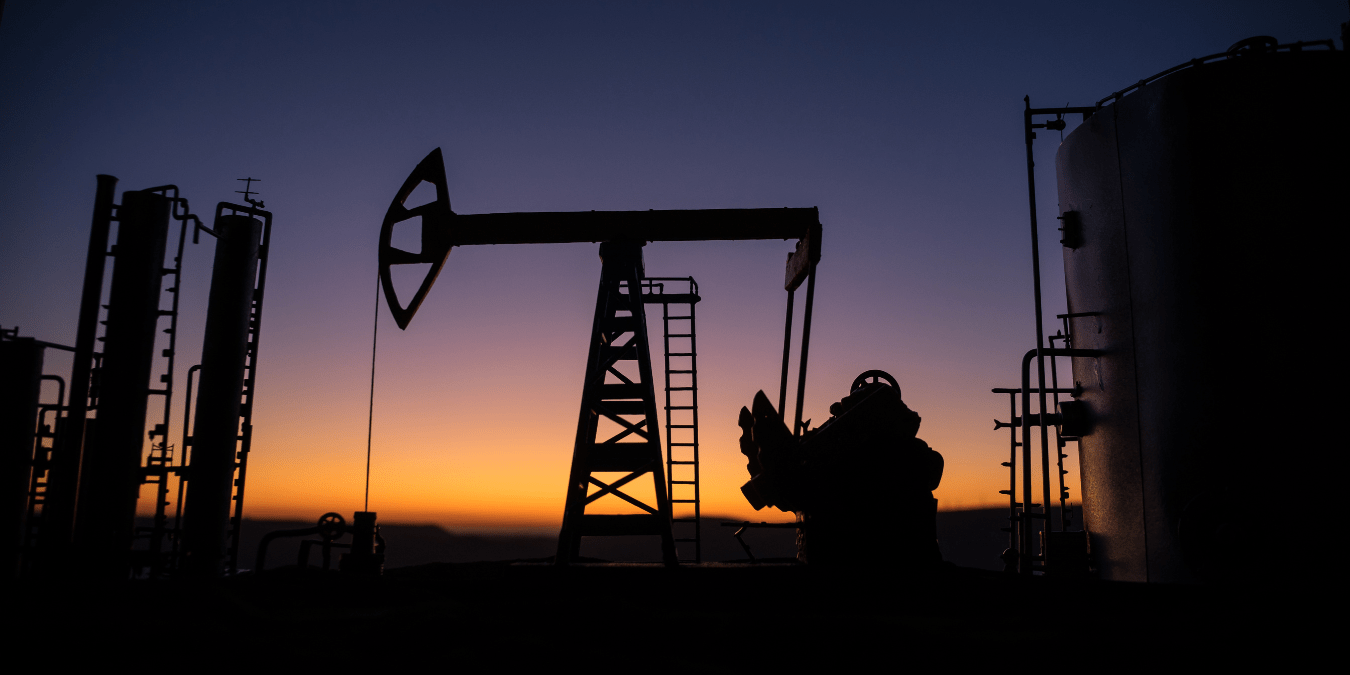
Ras Tanura is not merely the largest oil refinery in Saudi Arabia. It is one of the most strategically important energy installations on the planet. Built in 1945 on a narrow peninsula jutting into the Arabian Gulf on Saudi Arabia’s eastern coast, it has been the engine of Saudi oil wealth for over eight decades — growing from an initial capacity of just 50,000 barrels per day in 1945 to its current staggering capacity of 550,000 barrels per day, more than 183 times its original size.
The refinery processes crude oil sourced directly from some of the world’s most prolific oil fields — including Ghawar, the world’s largest conventional oil field, as well as Abqaiq and Khurais. The refinery’s output covers the full spectrum of refined products: LPG, naphtha, gasoline, kerosene, jet fuel, diesel, fuel oil, and asphalt. Ras Tanura alone accounts for approximately 16% of Saudi Arabia’s entire 3.4 million barrel-per-day refining capacity.
But the refinery is only half of what makes Ras Tanura so consequential. Adjacent to the refinery sits one of the world’s largest oil export terminals — a sprawling complex of storage tanks, pipelines, and marine loading berths that handles a significant share of Saudi Arabia’s total crude exports, with cargoes heading to key markets in China, Japan, South Korea, Europe, and beyond. Ras Tanura Port is responsible for approximately 20% of the world’s oil exports, making it one of the most strategically critical ports on earth.
When Iran’s drones flew toward that facility on Monday morning, they were aiming at the beating heart of global oil supply.
How It Happened: The Full Sequence of Events
The Ras Tanura attack did not occur in a vacuum. It is the product of an extraordinarily compressed and violent escalation that began just 72 hours earlier.
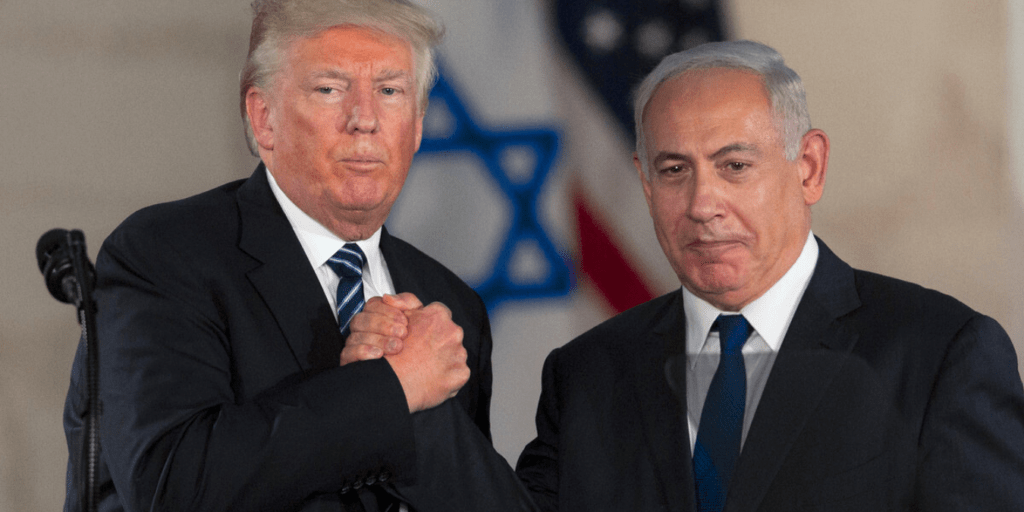
On Saturday, March 1, the United States and Israel launched coordinated military strikes on Iran, killing Supreme Leader Ayatollah Ali Khamenei and several other senior Iranian officials. US President Donald Trump described the campaign as targeting Iran’s refusal to renounce nuclear weapons and vowed it would continue — “perhaps for weeks.”
Tehran responded with swift and wide-ranging retaliation. Iranian missiles and drones were launched across the Middle East, targeting US military bases in Qatar, Bahrain, and Kuwait, striking assets in the UAE and Oman, and attacking positions in Iraq and Jordan. Iran’s strategy appeared to be systematic rather than opportunistic: simultaneously creating disruption across every theatre where US and allied forces or interests were present.
Saudi Arabia, which had tried to position itself as neutral — Crown Prince Mohammed bin Salman had explicitly avoided entanglement in regional conflicts for years, partly to protect the Vision 2030 economic transformation agenda — found itself dragged in regardless. The kingdom confirmed on Saturday that it had intercepted Iranian missiles targeting assets in Riyadh and the Eastern Province, where Ras Tanura is located.
Then on Monday morning, the drones reached the refinery. Saudi Arabia’s defence ministry stated it successfully intercepted two drones at the Ras Tanura facility — but the debris from the successful interception caused a fire at the complex. Several operational units were shut down as a precautionary measure. Euronews reported the official Saudi ministry statement: “Some operational units at the refinery were shut down as a precautionary measure, without any impact on the supply of petroleum products to local markets.” Aramco did not immediately comment publicly on the status of the refinery.
The broader wave of Iranian drone strikes on Monday also paralysed major maritime shipping hubs in the UAE and Oman. The drone attacks targeted Abu Dhabi, Dubai, Doha, Manama, and Oman’s Duqm commercial port — a coordinated assault on the Gulf’s entire commercial and energy infrastructure simultaneously.




The Strait of Hormuz: The World’s Most Dangerous Chokepoint
The Ras Tanura attack must be understood alongside an even more alarming development: the near-paralysis of shipping through the Strait of Hormuz.
Roughly 15 million to 20 million barrels of crude oil per day — approximately 20% of the world’s total oil supply — flow through the Strait of Hormuz daily, according to the US Energy Information Administration and Rystad Energy. The strait, which is just 33 kilometres wide at its narrowest point and bordered on its northern shore by Iran, is the single most critical oil chokepoint on earth. No other passage comes close.
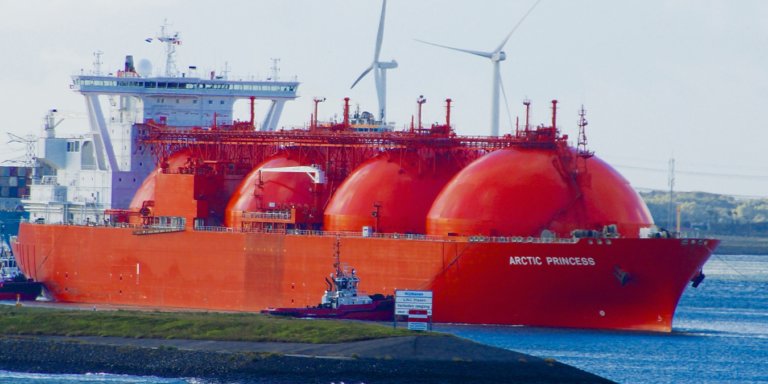
At least three oil tankers transiting the Strait have been attacked by drones. While Iran has not formally declared the strait closed, the practical reality is that commercial shipping has ground to near-halt. Major oil companies, top trading houses, and their insurers have suspended transit due to security concerns. Insurance premiums are at six-year highs — making transit economically unviable for most operators even when it is technically possible.
“Roughly one-fifth of global oil supply passes through the Strait of Hormuz, a vital artery for world trade, meaning markets are more concerned with whether barrels can move than with spare capacity on paper,” said Jorge León, Rystad Energy’s senior vice president and head of geopolitical analysis. “If flows through the Gulf are constrained, additional production will provide limited immediate relief, making access to export routes far more important than headline output targets.”
There are alternative routes. Saudi Arabia’s East-West Pipeline, with a capacity of 7 million barrels per day, can carry oil from the Eastern Province to the Red Sea port of Yanbu, bypassing the Strait entirely. The UAE’s Fujairah pipeline offers a similar alternative. But these routes have capacity constraints and cannot fully offset a complete Strait closure. A small peninsula at Ras Tanura handles 20% of the world’s oil exports alone — and it just went offline.
The compounding effect of a damaged Ras Tanura refinery, disrupted Strait of Hormuz shipping, paralysed UAE and Oman ports, and Iranian attacks across multiple Gulf states represents a simultaneous multi-front assault on the architecture of global energy supply that has no modern precedent.
History’s Uncomfortable Comparison: The 2019 Abqaiq Attack
Energy security analysts reached immediately for the same historical comparison on Monday: September 14, 2019, when drones struck Aramco’s Abqaiq and Khurais processing facilities, temporarily eliminating more than half of Saudi Arabia’s crude production capacity and causing the biggest surge in oil prices since the Gulf War in 1990.
The 2019 attack shocked the world, but it had a critical limitation: it hit upstream processing facilities. The equipment damaged — complex gas-oil separation plant units and stabiliser columns — was highly specialised. As US energy security expert Bob McNally of Rapidan Energy Group noted at the time, the plant at Abqaiq “had specialised equipment that you can’t just order from General Electric.” Recovery took weeks, not days.
The 2026 Ras Tanura attack escalates that template significantly. It targets downstream refining infrastructure — the stage between crude production and product delivery to markets. It compounds a simultaneous Strait of Hormuz disruption. And critically, it represents Iran’s first direct strike on Saudi energy infrastructure from Iranian territory, raising the question of whether the Gulf’s other major energy facilities — Abqaiq, the Juaymah LNG terminal (already disrupted last week), the East-West Pipeline — are next in the targeting sequence.
The evolution from opportunistic attacks on energy facilities to sophisticated, multi-front campaigns represents a paradigm shift in energy security risk modelling. Traditional approaches that compartmentalised geopolitical risk by individual facility or geographic region have proven inadequate when facing coordinated strikes across Saudi Arabia, Iraqi Kurdistan, and Israeli offshore fields within a compressed timeframe.
Global Oil Markets: Prices, Panic, and the OPEC+ Paradox
Oil markets responded to Monday’s events with sharp, immediate moves. Brent crude futures initially surged to $82.17 per barrel when Asian markets opened on Monday, up from $72.87 on Friday — a nearly 13% rise in under 72 hours. Prices later settled around $79–80 per barrel as some of the initial panic premium was priced back.
In a cruel irony, this is happening against a backdrop of a scheduled OPEC+ production increase. Eight core OPEC+ members — Saudi Arabia, Russia, Iraq, the UAE, Kuwait, Kazakhstan, Algeria and Oman — agreed on Sunday to raise their collective crude production ceiling by 206,000 barrels per day in April. But as Rystad’s León made clear, the announcement carries almost no practical weight when the shipping lanes through which those additional barrels would travel are under active military attack.
Gasoil and diesel futures have risen even more sharply than crude, reflecting the specific significance of Ras Tanura as a diesel supplier to Asian markets. Natural gas prices in Europe have also spiked, given that Gulf LNG facilities have been disrupted alongside crude infrastructure.
Samy Chaar, chief economist at Lombard Odier, outlined two scenarios: a limited disruption with minimal economic impact, and a more protracted conflict leading to a full oil crisis. He stated that the first scenario appeared to be unfolding — but cautioned that the second scenario would affect “commodities and bond yields, as well as currencies, oil-sensitive sectors of the stock market, inflation expectations, monetary policies, and, in case of an extended closure of the Strait of Hormuz, economic growth.”
Economists project that if Brent crude sustains above $90 per barrel for one to two weeks, it would represent a meaningful inflationary headwind for the US, Europe, and Asia simultaneously — arriving at a moment when global central banks were hoping to continue cutting interest rates.
Saudi Arabia’s Impossible Dilemma — and the Next Escalation Risk
The Ras Tanura attack places Saudi Crown Prince Mohammed bin Salman in an extraordinarily difficult position — and the world’s energy markets are watching his response closely.
A direct threat to prized oil assets may be somewhat of a red line for Saudi Crown Prince Mohammed bin Salman, who has in recent years tried to remain neutral in regional conflicts — in part to avoid any possibility of a setback to his multi-trillion dollar agenda to diversify the economy away from oil.
Vision 2030 — the Crown Prince’s grand blueprint for a post-oil Saudi economy built around tourism, technology, and the futuristic NEOM megacity — requires stable oil revenues to fund its transition. Every barrel lost at Ras Tanura, every disrupted export, every day of refinery shutdown is a direct wound to the fiscal foundation of that plan. The attack was not just a military provocation. It was an economic threat targeting the Crown Prince’s legacy project.
“The attack is also likely to move Saudi Arabia and neighbouring Gulf states closer to joining US and Israeli military operations against Iran,” said Torbjorn Soltvedt, principal Middle East analyst at Verisk Maplecroft. Ministers from Gulf Cooperation Council countries had already convened an extraordinary meeting to consider coordinated responses. Saudi Arabia summoned Iran’s envoy. Saudi Arabia’s Foreign Ministry issued a statement expressing “rejection and condemnation in the strongest terms of the blatant and cowardly Iranian attacks.”
The momentum toward Saudi Arabia’s deeper involvement in the conflict is building. Whether that involvement triggers a further escalation — another round of Iranian retaliation against Saudi energy infrastructure — is now the single most consequential question facing global oil markets.
What the World Watches Next
This story is moving faster than almost any geopolitical crisis in recent memory. The key variables to track in the coming days are:
1. Ras Tanura restart timeline. A short shutdown of days will have manageable market impact. A prolonged closure of weeks — particularly combined with continued Strait of Hormuz disruptions — would tighten global supply significantly. The facility’s 550,000 barrel-per-day capacity represents roughly 0.5% of global daily oil consumption.
2. Strait of Hormuz status. Commercial shipping flows, tanker attack frequency, and insurance market conditions are the most accurate real-time indicators of supply disruption severity.
3. Saudi Arabia’s military posture. Any confirmed Saudi military action against Iran would mark a dramatic escalation of the conflict’s geographic scope and intensity.
4. US-Iran diplomacy. Trump indicated Iran had offered talks before reversing course. Any diplomatic opening — even a ceasefire signal — would immediately reduce the fear premium in oil markets.
5. Additional infrastructure targeting. The Abqaiq processing facility, the Juaymah LNG terminal (already disrupted), and the East-West Pipeline remain potential targets. Another major infrastructure hit would send oil toward $90 and beyond.
The Ras Tanura attack is not an isolated incident. It is a data point in a rapidly evolving pattern — Iran’s deliberate, systematic targeting of Gulf energy infrastructure as the primary lever of economic coercion against the US-Israel coalition and Saudi Arabia. Understanding that pattern is the prerequisite for understanding what comes next.
Global energy markets have been through shocks before. The 1973 oil embargo, the 1979 Iranian revolution, the 1990 Gulf War, the 2019 Abqaiq attack. Each was resolved — eventually. But each one also, in its moment, looked like the beginning of something far worse. The morning of March 2, 2026, feels unmistakably like one of those moments.