India's Education & Hostel Allowance Gets Its First Hike in Decades
India’s Education & Hostel Allowance Gets Its First Hike in Decades
What the revised ₹3,000 and ₹9,000 per child per month limits mean for your tax savings, and why this 30x jump is the biggest salary-tax correction in a generation.
per month / per child
per month / per child
for 2 children
For decades, millions of salaried Indian parents quietly absorbed one of the most outdated tax provisions on the books. The Children’s Education Allowance stood frozen at a laughable ₹100 per month per child, and the Hostel Expenditure Allowance hadn’t moved from ₹300 per month since it was last revised.
These were not small oversights. These were figures that hadn’t kept pace with India’s economic transformation, a period that saw school fees, hostel rents, and education costs multiply several times over. That long wait is finally over.
With the Income Tax Rules, 2026, effective April 1, 2026 under the Income-tax Act, 2025, the Children’s Education Allowance is revised to ₹3,000/month/child and the Hostel Expenditure Allowance to ₹9,000/month/child, both for a maximum of two children. A salaried parent with two children in a hostel can now reduce taxable income by up to ₹2,88,000 per year.
The Allowances That Time Forgot
The Children’s Education Allowance (CEA) and the Hostel Expenditure Allowance are governed under Section 10(14)(ii) of the Income Tax Act, 1961, read alongside Rule 2BB of the Income Tax Rules, 1962. Under these provisions, specific allowances received by salaried employees are exempt from income tax, but only up to the prescribed limits.
Per Month / Per Child
Per Month / Per Child
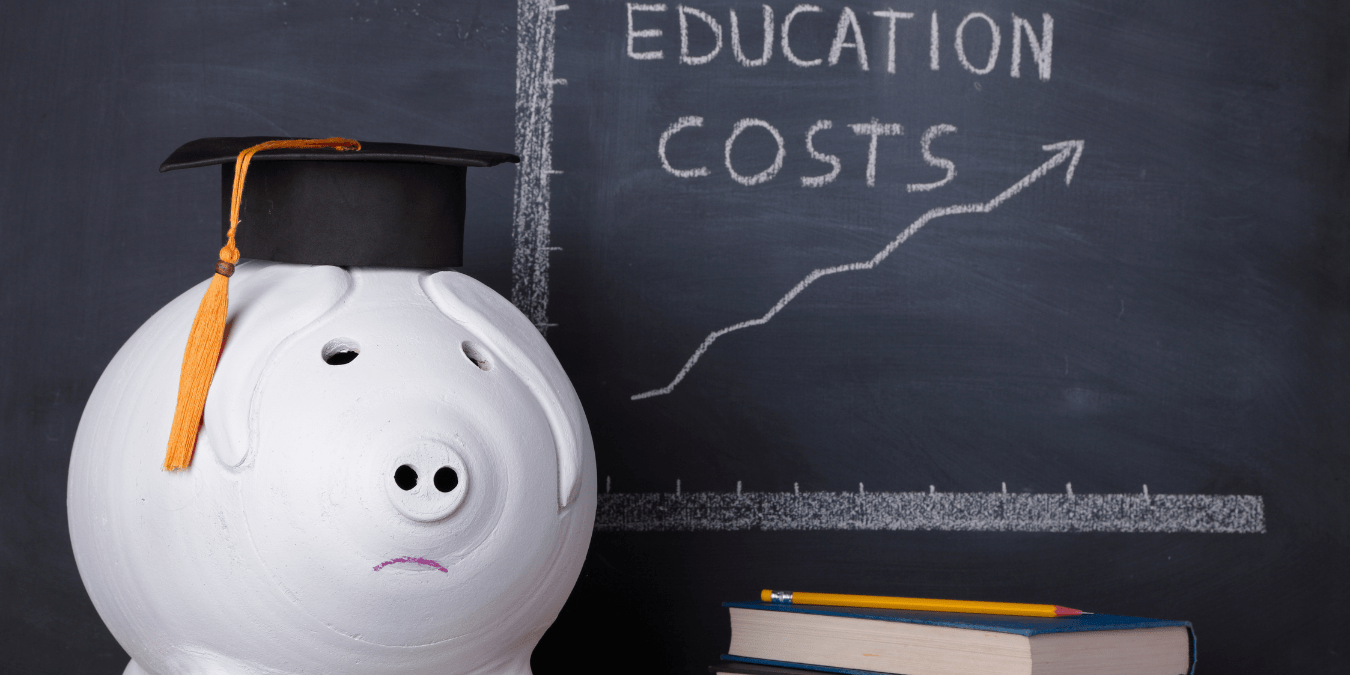
On an annual basis, a parent with two children could claim a maximum of ₹2,400 (education) and ₹7,200 (hostel), a grand total of just ₹9,600 per year in tax-exempt allowances. Today, a mid-tier private school in Lucknow or Pune charges anywhere from ₹50,000 to ₹2,00,000 per year in fees alone, and a decent hostel in a Tier-1 city costs ₹10,000 to ₹20,000 per month.
The ₹100 and ₹300 figures were not just insufficient. They were practically symbolic, relics of an era when private schooling was the exception, not the norm.
What Changed and Why Now
The revision arrives under the Income-tax Act, 2025, a comprehensive overhaul of India’s direct tax legislation. The CBDT (Central Board of Direct Taxes) notified the Income Tax Rules, 2026 with enhanced exemption limits under Rule 280, taking effect from April 1, 2026.
For Central Government employees, the reimbursement-based CEA through the Department of Personnel and Training had already seen periodic revisions linked to DA hikes, reaching ₹2,812.50 per month per child as of January 2024. However, the income tax exemption limits applicable to all salaried employees had not seen a corresponding revision until now.
Breaking Down the Numbers: Your Actual Tax Savings
Here is what the revised allowances mean in concrete financial terms for a parent with two children, both in a hostel.
| Allowance Type | Revised Rate | Per Year (Per Child) | Per Year (2 Children) |
|---|---|---|---|
| Education Allowance | ₹3,000 / month | ₹36,000 | ₹72,000 |
| Hostel Allowance | ₹9,000 / month | ₹1,08,000 | ₹2,16,000 |
| Total Annual Tax-Exempt Allowance (2 children) | ₹2,88,000 | ||
Your actual tax savings depend on your income slab under the old tax regime:
Old Tax Regime Only — A Critical Caveat
These allowances are available exclusively under the old tax regime. The new tax regime under the Income-tax Act, 2025, generally does not permit most exemptions and deductions, and these two allowances are no exception.
- ✅ Simpler, lower headline slab rates
- ✅ Standard deduction of ₹75,000
- ✅ Zero tax up to ₹12.75L effective income
- ❌ No education or hostel allowance
- ❌ No HRA, LTA, 80C, or 80D benefits
- ✅ Education allowance: ₹3,000/mo/child
- ✅ Hostel allowance: ₹9,000/mo/child
- ✅ HRA, LTA, 80C (₹1.5L), 80D and more
- ✅ Up to ₹5–6L+ in total deductions
- ❌ Higher headline tax rates
Who Qualifies? Eligibility at a Glance
Must be a salaried employee. These allowances must be explicitly part of your salary structure to claim the exemption.
Maximum two children eligible. If you have three or more, only the first two children qualify under these provisions.
Education allowance covers school/college fees. Hostel allowance applies only when your child actually resides in a hostel.
Only one spouse can claim per child. Double-claiming for the same child by both spouses is not permitted.
The allowance must be explicitly included as a component in your salary package. It is not automatic. Speak to your HR or payroll team to incorporate it before the financial year begins.
Why This Matters Beyond the Numbers
The revision of these allowances is significant not just for individual tax savings, but for what it signals about India’s evolving tax policy philosophy.
For decades, India’s income tax code acknowledged the cost of educating children but did so with numbers that were insultingly outdated. A ₹100-per-month education allowance in 2024 was like indexing fuel prices to 1985 rates, technically present but practically meaningless. The fact that the revision is a 30x jump rather than a modest inflationary adjustment shows the government acknowledges there were decades of catching-up to do.
With private school fees rising at 8 to 12% annually and hostel costs in metro cities routinely crossing ₹10,000 to ₹15,000 per month, the revised allowances now offer at least a partial buffer for salaried employees.
There is a broader message embedded in this revision: the old tax regime still has value, especially for families with children, mortgages, insurance, and education expenses. Preserving and meaningfully enhancing allowances under the old regime signals the government recognises a one-size-fits-all approach may not serve India’s diverse income demographics.
How to Actually Claim These Allowances
Look for “Children’s Education Allowance” and “Hostel Expenditure Allowance” as separate line items. If they are absent, raise it immediately with your HR or payroll team.
Inform your employer at the beginning of the financial year (typically April) that you wish to remain under the old tax regime, so that correct TDS is deducted.
Maintain school fee receipts, hostel admission proof, and related bills. While not required at TDS computation stage, these are essential in case of scrutiny by tax authorities.
Even if your employer hasn’t structured your salary to include these allowances, you can claim the exemption when filing your Income Tax Return, provided the allowance was actually received as part of your salary.
If your income is complex, or if you are unsure whether the old or new regime gives you a better outcome after factoring in all deductions, get personalised advice from a qualified CA.
Your Tax Code Has Caught Up.
Has Your Financial Plan?
The revision from ₹100/₹300 to ₹3,000/₹9,000 per month per child is a long-overdue recognition that educating a child in modern India is one of the most significant financial undertakings a family can make. Talk to your HR. Talk to your CA. Review your salary structure for the new financial year.
for 2 children
30% slab
allowances