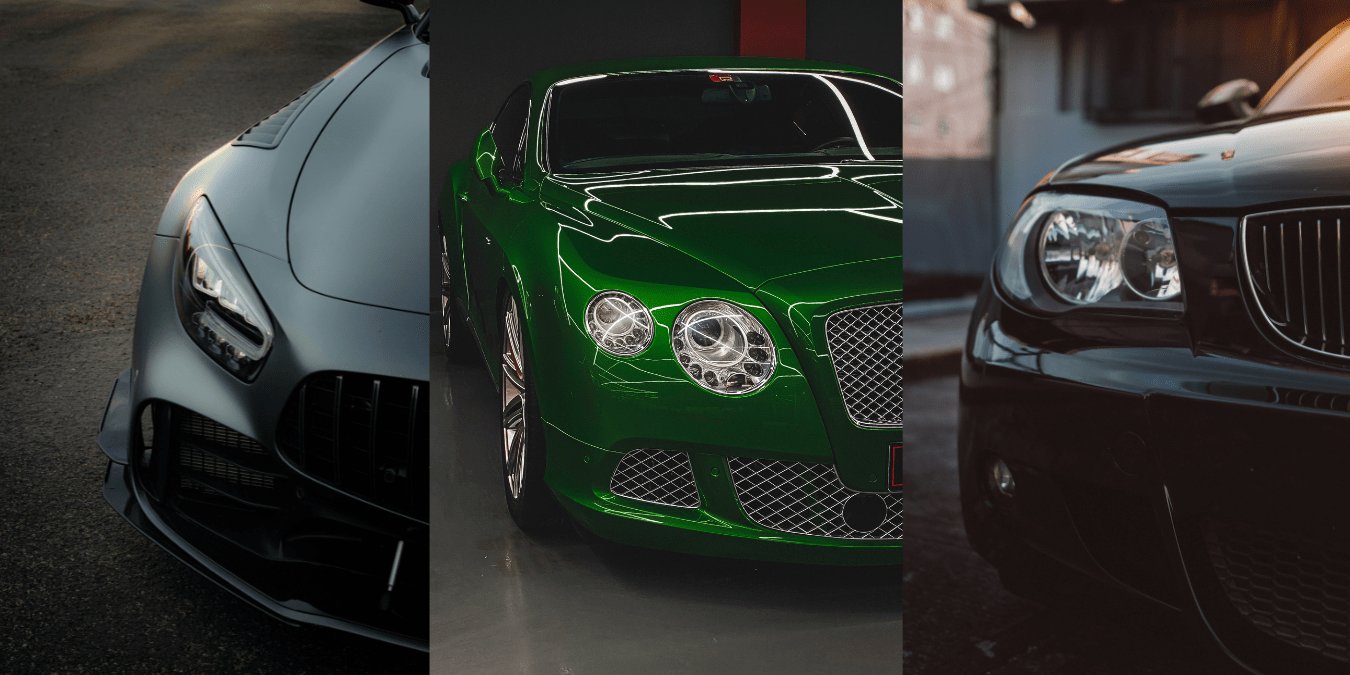
EU India Trade Deal Impact: How 40% Car Duties Boost Luxury Imports While Protecting Tata and Maruti
India just slashed luxury car tariffs from 110% to 40% in a shock EU trade deal—Volkswagen Tiguans and Mercedes at dream prices? But wait: Tata safe? $50B export boom or US tariff trap? António Costa’s secret vision unveiled. Discover what explodes next for YOUR wallet in 2026!
India’s bold move to slash car import tariffs to 40% under the new EU trade deal signals a game-changer for luxury auto lovers and the broader economy. This India-EU trade deal, involving giants like Volkswagen and Mercedes, could reshape how we buy high-end cars while boosting exports.
Deal Essentials
India plans to cut tariffs on select EU-imported cars from up to 110% to 40% immediately, targeting vehicles priced over €15,000. This applies to around 200,000 combustion-engine cars annually, with duties dropping further to 10% over time. Battery EVs get a five-year exemption to shield local players like Tata Motors and Mahindra.
The full free trade agreement (FTA), dubbed the “mother of all deals,” covers goods, services, and investment across 24 chapters. Negotiations, started in 2007, wrap up at the January 27, 2026, India-EU Summit with PM Narendra Modi, Ursula von der Leyen, and António Costa. Ratification needs EU Parliament and Indian Cabinet nods, potentially delaying implementation to late 2026 or 2027.
Key Figures Spotlight
António Costa, serving as European Council President, arrived in India as the chief guest for Republic Day celebrations on January 26, 2026, just ahead of the historic India-EU Summit. In multiple interviews, he hailed the India EU trade deal as “the largest free trade agreement in the world” and a “very important geopolitical stabiliser.” Amid rising US tariffs under President Trump, Costa emphasized that “India and the EU believe more in trade agreements than tariffs,” positioning the pact as a counter to protectionism and a booster for rules-based global order. He highlighted its role in creating a massive market of two billion people, representing a quarter of global GDP, while underscoring new cooperation in security, defense, and mobility.
Volkswagen: Scaling Up in India’s Heartland
Volkswagen’s Indian arm, through Skoda Auto Volkswagen India, has firmly planted roots with over 2 million vehicles produced locally at plants in Pune and Chhatrapati Sambhaji Nagar. The group exports more than 700,000 units annually, leveraging India’s cost advantages for global markets. Under the EU India trade deal, slashed tariffs to 40% on premium imports (over €15,000) enable VW to bring in high-end models like the Tiguan or Touareg more competitively, bridging the gap before full localization. VW views India as “strategically important,” maintaining about 4% share in the luxury segment despite intense price competition; the deal accelerates premium expansion without undermining their 90%+ localization rates.
Mercedes-Benz: Betting Big on Premium Aspirations
Mercedes-Benz India has declared the country a “priority market,” committing to sustained investments amid the evolving trade landscape. For FY26, they plan 12 new product launches, including the CLA Electric and GLS Maybach, with ambitions to localize more models at their Pune facility. A ₹450 crore infusion via partner networks will add 20 new touch points by end-2026, targeting young urban buyers fuelling a 145% surge in top-end sales (over 500 Maybach units in 2024). The India EU trade deal’s tariff cuts aid immediate imports of specialized variants, allowing Mercedes to prioritize “value over volumes” while expanding ultra-luxury presence in Tier-1 cities. This aligns with their strategy in a market where luxury holds under 4% share but grows double-digits yearly.



Full List of Sectors Covered
The India EU trade pact, finalized at the January 27, 2026, summit, spans 24 chapters, delivering tariff reductions on over 90% of goods and liberalizing services and investments for balanced growth. This comprehensive framework addresses long-standing negotiation hurdles, prioritizing complementary strengths—India’s labor-intensive exports and EU’s high-tech imports—while incorporating modern clauses on sustainability and digital trade.
Goods Sector Breakdown
Tariff elimination or phasing forms the core, covering industrial and agricultural products with safeguards for sensitive Indian sectors like dairy.
- Automobiles and Components: Phased cuts from 100-110% to 40% initially (cars >€15,000), then 10% over 7-10 years; annual quotas (~200,000 units); boosts auto parts exports (India’s $20B+ sector).
- Machinery and Engineering Goods: 5-10% duties to zero; includes industrial equipment, benefiting exporters like BHEL and Larsen & Toubro.
- Chemicals and Plastics: Mutual reductions; India gains duty-free access to EU’s €500B market, countering Chinese dominance.
- Textiles, Garments, and Footwear: India’s star performers (exports $17B to EU); duties from 12% to 0% over 5-7 years, leveling field vs. Bangladesh; GI protection for Banarasi silk, Pashmina.
- Aircraft and Aerospace: Phased liberalization; supports Tata-Airbus ties.
- Wines, Spirits, and Processed Foods: EU gains gradual access (10-15 year phase-in); limited quotas protect Indian agri.
- Other Key Items: Steel, aluminum (safeguards), electronics components, gems/jewelry.
Agriculture remains limited: EU pushes dairy/poultry (blocked by India); wines debated but included with caps.
Services Liberalization
Services trade ($83B in 2024) opens via Mode 4 (intra-corporate transfers), aiding India’s IT/BPO prowess.
- IT and ITES: Easier work visas; data flows for $200B+ sector.
- Telecom and Digital Services: Reduced barriers; e-commerce rules.
- Financial Services: Banking, insurance access for EU firms; India protects PSBs.
- Transport and Logistics: Air/shipping liberalization; benefits IndiGo, Adani Ports.
- Professional Services: Accounting (e.g., Big Four), auditing, legal; mutual recognition.
- Healthcare and Education: Limited mobility for professionals.
Investment and Procurement
A dedicated Investment Protection Agreement shields €140B EU FDI in India.
- Bilateral investment treaty with ISDS (investor-state dispute settlement).
- Government procurement access for EU firms in infra, defense.
- Eased FDI caps in strategic sectors.
Cross-Cutting Chapters
Modern provisions ensure enforceability and trust:
- Rules of Origin: Strict cumulation to prevent China rerouting.
- Geographical Indications (GI): Protects 200+ Indian GIs (Darjeeling Tea, Alphonso Mangoes) alongside EU’s Champagne, Feta.
- SPS/TBT Standards: Sanitary/phytosanitary measures; technical barriers harmonized for agri/chemicals.
- Sustainability and Labor: Carbon border taxes aligned; anti-forced labor clauses.
- IPR and Digital Trade: Pharma patents (data exclusivity debated); e-commerce facilitation.
- Dispute Resolution and SMEs: Dedicated SME chapter; rapid dispute panels.
| Category | Key Sectors | India’s Gains | EU’s Gains | Timeline |
| Goods | Autos, Textiles, Chemicals | Duty-free exports ($50B boost by 2031) | Cars, Machinery, Wines | 3-15 years phasing |
| Services | IT, Telecom, Finance | Visa easing, market access | Professional services | Immediate + reviews |
| Investment | FDI Protection | EU inflows (e.g., auto plants) | Procurement bids | On signing |
| Others | GI, Sustainability | IP safeguards | Standards alignment | Ongoing |
Textiles/garments (35-38% of India’s EU exports), pharmaceuticals (generics leadership), and chemicals lead Indian benefits, with pharma gaining faster EU approvals. Auto-specific clauses ensure components thrive, minimizing fully-built unit threats. This holistic coverage positions the pact as a “mother of all deals,” fostering $200B+ bilateral trade by 2030.
Why Now?
Bilateral trade hit $136 billion in 2024-25, with EU as India’s top partner (exports $75.85B, imports $60.68B). The deal counters US tariffs up to 50% on Indian textiles and jewelry since August 2025, diversifying markets amid Trump-era protectionism. António Costa called it a “message against tariffs,” promoting rules-based trade in a multipolar world.
India’s auto market, third-largest globally, sold ~4.5 million passenger vehicles in 2025, eyeing 6 million by 2030. High tariffs protected locals, but criticism from Elon Musk and others pushed liberalization.
Benefits for Indian Exporters in India EU FTA
The India EU FTA promises a stellar $3-5B near-term export boost, scaling to $50B by 2031, supercharging India’s trade engine. With 90% tariff cuts and services liberalization, it harnesses complementary strengths—India’s labor-intensive prowess meeting EU capital goods might—for 5-8% initial export growth to the bloc.
Textiles/Garments Lead the Charge
Forming 35-38% of EU exports ($26B), these face 10-12% duties dropping to zero over 5-7 years, matching Bangladesh/Vietnam parity. Surat and Tirupur hubs project $10-15B gains, safeguarding 45M jobs with GI protections for Banarasi silk.
Pharma’s Regulatory Edge
India’s generics powerhouse taps EU’s €50B+ #2 market via faster EMA approvals (6-12 months vs. 2 years), lifting $8B exports by $7B; Hyderabad firms like Dr. Reddy’s shine.
Chemicals Outmaneuver China
Net exporter status amplifies with duty-free access, leveraging 7-10% cost edges in dyes/agrochemicals for $12B baseline to +$8B.
Auto Components, Leather, Footwear Surge
$20B auto ancillaries (Motherson, Bosch India) and $3B leather/footwear (Kanpur/Agra) go duty-free, fueling EU supply chains alongside VW/Mercedes localization.
Others Cash In
Refined petroleum (Reliance), IT services ($25B to +$10B via Mode 4 visas for TCS/Infosys), and MSMEs gain single-window EU entry.
| Sector | Current EU Exports | Projected Boost | Key Win |
| Textiles | $26B | +$15B | Zero duties |
| Pharma | $8B | +$7B | Fast approvals |
| Chemicals | $12B | +$8B | Cost parity |
| Auto Parts | $4B | +$5B | Supply chains |
This symbiotic pact—India downstream, EU upstream—delivers GDP lift and millions of jobs, timed against US tariffs. Exporters: EU markets beckon.
How India EU Deal Counters US Tariffs
The India EU trade deal masterfully counters Trump’s aggressive tariffs, diversifying India’s export basket amid 50% duties slapped on textiles and jewelry since August 2025. With US-India bilateral talks stalled over India’s Russia oil purchases—prompting “reciprocal” penalties threatening $5B in exports—the EU pivot stabilizes $136B trade flows, mitigating “China+1” vulnerabilities in a fractured global order.
Strategic Diversification
Textiles/garments ($17B to EU) and gems/jewelry reroute seamlessly: EU duties drop to zero over 5-7 years, offsetting US losses and capturing market share from Bangladesh/Vietnam. Pharma generics and steel products gain duty-free EU access, shielding 7% of India’s US-dependent exports.
Geopolitical Hedge
EU’s rules-based framework contrasts Trump’s unilateralism and NATO frictions. António Costa’s “message against tariffs/protectionism” underscores this: India-EU stability as a “geopolitical stabiliser” for 2B consumers and 25% global GDP, amid Trump 2.0 unpredictability.
Economic and Security Gains
- Trade Rerouting: Textiles/jewelry to EU (+$10-15B by 2030); total exports up 5-8%, GDP +0.5-1%.
- Services Boost: $83B IT/ITES via Mode 4 visas, unscathed by US scrutiny.
- Investment Pact: €140B EU FDI protected with ISDS, funding auto/plants vs. US withdrawal risks.
- Security Bonus: Defense, mobility chapters deepen ties, countering US pressures on Russia/QUAD dynamics.
| US Tariff Hit | EU Deal Counter | Projected Gain |
| Textiles/Jewelry (50%) | Zero duties | +$10-15B exports |
| Steel (25-50%) | Safeguards + EU quotas | Stabilized $5B |
| Pharma Threats | Fast EMA approvals | +$7B generics |
| Overall US Friction | $136B EU stability | 15-20% export share |
This “mother of all deals” transforms US headwinds into tailwinds, positioning India as trade superpower—resilient, diversified, and rules-led.
Winners: European Carmakers
European carmakers emerge as prime beneficiaries of the India EU trade deal, with tariffs on luxury imports slashed from 100-110% to 40% initially—unlocking premium pricing power in India’s booming auto market. This phased liberalization (to 10% long-term) for vehicles over €15,000, capped at ~200,000 units annually, lets brands test demand without massive upfront localization, complementing India’s mass-market dominance by Maruti, Tata, and Hyundai.
Volkswagen: Export Powerhouse Goes Premium
Volkswagen stands to gain big through Skoda Auto Volkswagen India, already producing over 2 million units locally at Pune and Chhatrapati Sambhaji Nagar plants, while exporting 700,000+ vehicles yearly. Lower duties enable competitive imports of premium models like the Tiguan Allspace or Touareg, bridging gaps before plant expansions; VW holds ~4% luxury share in a cutthroat segment. India remains “strategically important” for the group, blending high localization (90%+) with import flexibility to chase urban SUV aspirants.
Mercedes-Benz: Luxury Acceleration
Mercedes-Benz deems India a “priority market,” planning 12 FY26 launches including the CLA Electric and GLS Maybach, with deeper Pune localization. A ₹450 crore partner investment adds 20 touchpoints by end-2026, targeting core/top-end segments where Maybach sales topped 500 units in 2024 (up 145%). Tariff cuts facilitate immediate imports of niche variants, aligning with their “value over volumes” ethos in a luxury pie under 4% but doubling yearly.
Broader EU Lineup
BMW eyes similar gains with X7 imports; Renault leverages Nissan ties for electrics; Stellantis (Citroën, Jeep) targets SUVs. All benefit from 20-30% price drops (e.g., €50,000 Mercedes saves ₹20-30 lakh), testing localization viability amid EV shields for locals.
| Brand | Local Strength | Import Edge Post-Deal | Market Focus |
| Volkswagen | 2M+ units, 700k exports | Premium SUVs (Tiguan) | 4% luxury share |
| Mercedes | Pune plant, 12 launches | Maybach/GLS variants | Top-end (145% growth) |
| BMW/Stellantis | Assembled models | High-end imports | SUV aspirants |
This deal fuels EU volumes without upending India’s auto supremacy—win-win for premium ambition.
Impact of India EU Trade Deal on Indian Auto Industry
The Impact of India EU trade deal on Indian auto industry is nuanced: opportunity over threat, blending controlled import liberalization with export/tech boosts in India’s third-largest global market.
India’s auto sector thrives—4.5 million passenger vehicle (PV) sales in 2025 (up 5% YoY), targeting 6 million by 2030; directly employs 37 million across 85% localized value chains. Locals dominate: Maruti Suzuki (42% share), Hyundai (14%), Tata (14%) rule mass-market SUVs, CNG, and EVs, fueled by PLI incentives and GST relief.
Challenges: Measured Luxury Pressure
EU imports target the <4% luxury sliver; tariffs dropping from 100-110% to 40% (then 10%) cut prices 20-30%—a €50,000 Mercedes saves ₹20-30 lakh ex-showroom. Yet quotas (~200,000 units/year for cars >€15,000) cap volume; no mass-market flood.
Opportunities: Supply Chain Supercharge
- Exports Surge: Auto components ($20B sector) go duty-free to EU; +10-15% to bloc, complementing VW’s 700k exports.
- Tech/FDI Inflow: EU hybrids/EV know-how accelerates Tata/Mahindra; VW (90% local), Mercedes Pune spur ₹450cr+ investments.
- ING Verdict: “Medium-term growth potential” via deeper value chains.
Robust Safeguards
5-year EV shield protects 2% penetration toward 30% by 2030; phased cuts (7-10 years) give adjustment time; rules of origin block China dumping.
SIAM/FADA project 7-8% growth in 2026 via policy tailwinds—net positive: integration, not displacement.
| Metric | Pre-Deal | Projected Post-Deal |
| Luxury Share | <4% | 5-6% by 2028 |
| Local Jobs | 37M | +1-2M via FDI |
| Exports | Surging | +10-15% to EU |
| EV Penetration | 2% | 30% by 2030 protected |
From Chhatrapati Sambhaji Nagar plants to Chennai exports, this deal elevates India’s auto ascendance—strategic openness fueling “Viksit Bharat.”
Consumer and Market Shifts
The India EU trade deal ushers exciting shifts for Indian car buyers, slashing luxury import tariffs from 100-110% to 40%, making premium European models more accessible. Urban millennials—driving India’s luxury boom (doubling yearly)—gain competitive pricing on VW Tiguan (~₹35-40 lakh post-cut vs. ₹50 lakh+), Mercedes E-Class, and BMW X7, expanding choices beyond localized variants.
Buyer Wins
- Price Relief: 20-30% drops (e.g., €50k Mercedes saves ₹20-30 lakh); more variants without 2-3 year localization waits.
- Aspirational Surge: Tier-1 cities (Delhi-NCR, Mumbai, Bengaluru) see showroom battles; young professionals fuel top-end like Mercedes Maybach (+145% sales).
- SUV/EV Tease: Premium imports test demand; locals safe in mass market (95%+ share).
Market Realities
Quotas cap EU imports at ~200,000 units/year (>€15k cars), preventing floods amid India’s price wars and infra challenges (roads, charging). Luxury remains <4-5% share; rural buyers untouched, focused on Maruti Brezza/Tata Nexon.
Challenges
Tough terrain persists: high financing costs, service networks, resale value favor domestics; EU brands must localize fast (VW Pune scaling).
Net: Aspirational India wins variety at better prices, fueling 7-8% sector growth without upending local kings—perfectly timed for festive 2026 demand.
Industry Safeguards
Domestic firms remain safe under the India EU trade deal, thanks to complementary economies that minimize competitive hurt while locals solidify mass-market leadership. India’s auto giants—Maruti Suzuki (42% share), Hyundai, Tata—dominate affordable SUVs, CNG, and EVs, facing negligible overlap with EU’s premium focus (<4% luxury segment).
Smart Protections Built-In
- Tariff Phasing + Quotas: 100-110% duties drop to 40% initially on ~200,000 high-end cars (>€15,000), then 10% over 7-10 years—controlled entry, no import flood.
- EV Shield: 5-year exemption safeguards Tata Nexon EV, Mahindra BE series toward 30% penetration by 2030.
- Rules of Origin: Blocks China rerouting, protecting local supply chains.
High Localization Persists
VW’s 90%+ local content at Pune/Chhatrapati Sambhaji Nagar endures; Mercedes expands Pune alongside imports. Deal spurs EU tech transfers in hybrids/EVs, elevating ancillary exports ($20B sector).
Growth Consensus
FADA/SIAM forecast double-digit 2026 growth via PLI schemes (₹1.97L cr), GST relief—deal complements, doesn’t displace. ING notes “medium-term potential” through deeper value chains, adding 1-2M jobs via FDI.
From Chennai to Gurugram, safeguards ensure “Make in India” thrives—strategic openness fueling exports and innovation, not erosion.
António Costa’s Vision
As European Council President and Republic Day 2026 chief guest, António Costa hailed the India EU trade deal as a bold anti-protectionist stand, fostering EU-India stability amid US/China tensions. During his Delhi visit, Costa declared it “the largest free trade agreement in the world,” uniting 2 billion people and a quarter of global GDP under rules-based commerce.
“Trade Agreements Over Tariffs”
Costa stressed “India and the EU believe more in trade agreements than tariffs,” contrasting Trump’s 50% US duties with the pact’s 90% tariff cuts and $83 billion services trade boost (IT/ITES leading). He positioned it as a “very important geopolitical stabiliser,” countering multipolar fractures—US inwardness, China slowdowns—via deeper security, defense, and mobility ties.
Strategic Timing
Arriving for January 26 festivities ahead of the January 27 summit with PM Modi and Ursula von der Leyen, Costa’s message amplified the “mother of all deals”: diversified markets against US textile/jewelry hits, tech flows for India’s EVs, and investment pacts shielding €140B EU FDI.
From Republic Day parades to boardrooms, Costa envisioned a resilient partnership—India’s labor exports meeting EU capital goods—ensuring growth in uncertain times. His vision: trade as bridge, not barrier.
Long-Term Roadmap
Post the initial 40% tariff cut, the India EU trade deal charts a clear path: duties on luxury cars phase to 10% over 7-10 years, with the full FTA operational by 2027 after ratification hurdles. This timeline supercharges textiles/jewelry exports—rerouted from US 50% tariffs—via zero duties, projecting $10-15B gains by 2030 alongside pharma and auto components.
FDI and Investment Surge
EU FDI stock (€140B in 2023) accelerates with a dedicated protection pact featuring ISDS, drawing plants like VW expansions and Mercedes’ ₹450 crore push. India eyes parallel investment treaties for reciprocal security, building on PLI schemes (₹1.97L cr for autos) to sustain 7-8% sector growth.
Auto Export Momentum
India’s auto exports—already surging via VW’s 700k units—jump 10-15% to EU, with components ($20B sector) going duty-free; policy tailwinds like GST relief and EV incentives ensure 6M PV sales by 2030.
Key Challenges Ahead
EU dairy/wine access remains contentious (limited quotas protect Indian farmers); strict rules of origin prevent China dumping. Legal scrubbing, EU Parliament nods, and 24-language translations delay full rollout to late 2027.
| Phase | Timeline | Key Milestones |
| Initial Cuts | 2026-27 | 40% car tariffs; quota entry |
| Phased Zero | 2027-35 | Textiles duty-free; 10% autos |
| Full FTA | By 2030 | $200B trade; 30% EV share |
This roadmap cements India’s “Viksit Bharat”—strategic, protected growth toward auto superpower status.
Broader Economic Boost
The India EU trade deal delivers a substantial broader economic boost, lifting India’s GDP by 0.5-1% through explosive trade expansion from $136B toward $200B+ by 2030. This surge—fuelled by 90% tariff eliminations and services liberalization—channels gains into high-multiplier sectors like exports and manufacturing, creating 2-3 million jobs across the value chain.
FDI Acceleration
EU FDI stock, already at €140B (2023), surges with the pact’s investment protection chapter featuring ISDS mechanisms, drawing €20B+ fresh inflows for factories, R&D, and infra. Powerhouses like Volkswagen (expanding Pune/Chhatrapati Sambhaji Nagar) and Mercedes (₹450 crore network push) exemplify this, alongside broader plays in renewables, semiconductors, and defense.
Job Creation Engine
Exports lead: textiles/garments (+$15B), auto components ($20B sector +10-15%), pharma ($7B generics)—translating to roles in Surat mills, Hyderabad labs, Chennai ancillaries, and Kanpur leather hubs. Manufacturing gets tailwinds from PLI schemes (₹1.97 lakh crore for autos/electronics), sustaining 7-8% industrial growth; services ($83B IT/ITES) add white-collar opportunities via Mode 4 visas.
“Viksit Bharat” Alignment
This embodies Modi’s strategic openness—balancing safeguards (EV shields, quotas) with ambition, akin to UAE/Australia FTAs. From US tariff dodges to EU tech bridges, it positions India as resilient trade pivot: luxury today (20-30% car price drops), self-reliant industry tomorrow.
| Boost Area | Projected Gain | Key Driver |
| GDP | +0.5-1% | Trade surge |
| FDI | €20B+ new | Protection pact |
| Jobs | 2-3M | Exports/manufacturing |
| Exports | +$50B by 2031 | Zero duties |
A masterstroke for sustained 7%+ growth in multipolar times.