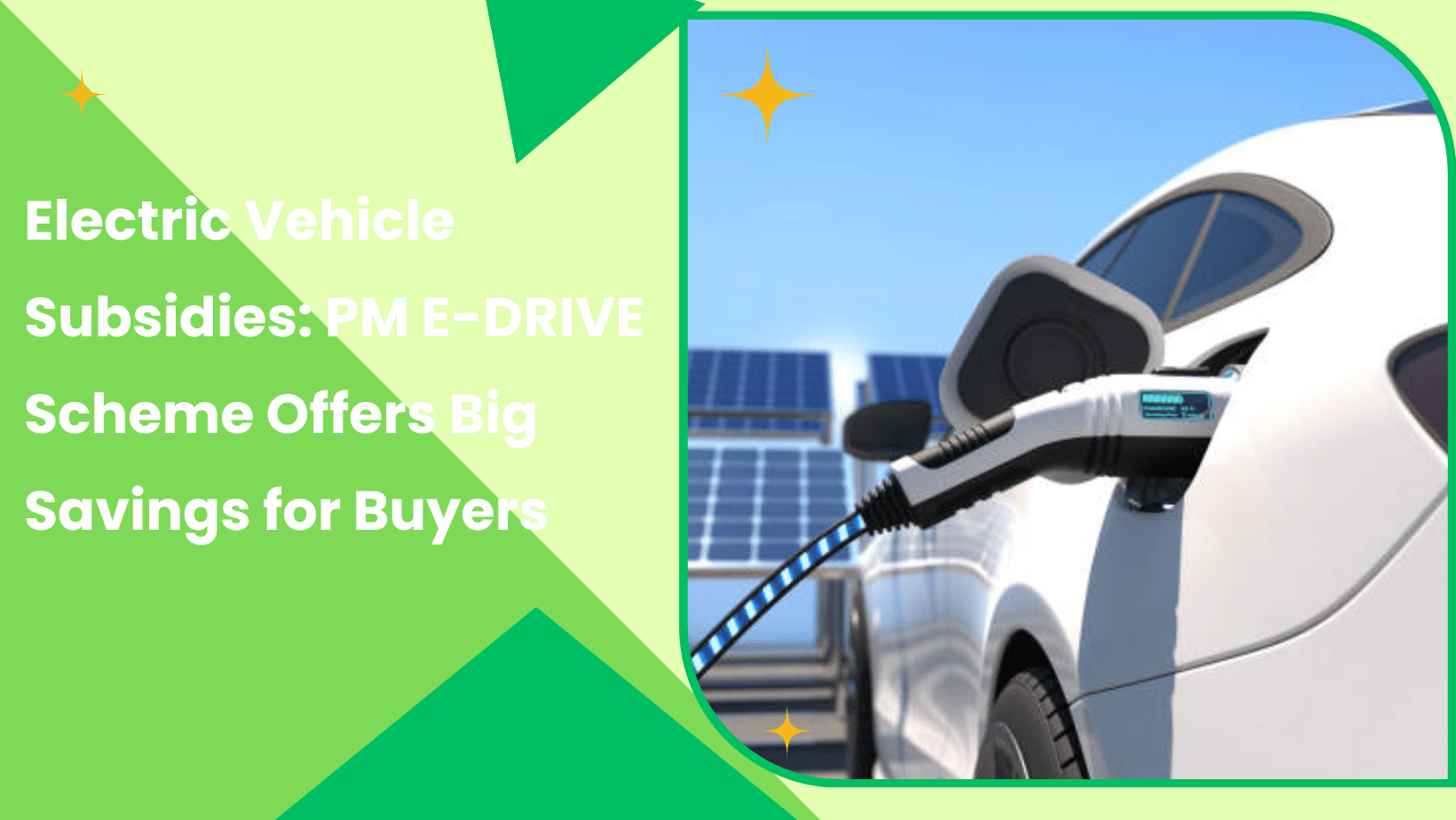
Here are 10 key points about the new PM E-DRIVE scheme:
- Subsidy for EV 2-Wheelers: The PM E-DRIVE scheme offers a subsidy of ₹10,000 for electric 2-wheelers, making them more affordable for consumers.
- Subsidy for EV 3-Wheelers: Electric 3-wheelers receive a higher subsidy of ₹50,000 under the scheme, encouraging the adoption of eco-friendly transportation.
- Scheme Duration: The subsidies are available until March 2025, providing a limited window for buyers to take advantage of these incentives.
- Reduction in Subsidy: From April 2025, the subsidy for electric 3-wheelers will be reduced to ₹25,000, while the subsidy for 2-wheelers will also see a reduction.
- Market Share Goals: The scheme aims to achieve a 10% market share for electric 2-wheelers and a 15% market share for electric 3-wheelers by March 2026.
- Exclusion of Electric Cars: Electric cars are not included in this scheme as they already benefit from a lower 5% GST rate.
- Support for E-Buses: The government has allocated ₹4,391 crore for procuring 14,028 e-buses to be used in public transport across nine major cities.
- Incentives for E-Trucks and E-Ambulances: The scheme also includes ₹500 crore for incentivizing e-trucks and another ₹500 crore for deploying e-ambulances.
- Infrastructure Development: To support the growing number of EVs, the scheme proposes installing 72,300 fast chargers across the country.
- Total Outlay: The total budget for the PM E-DRIVE scheme is ₹10,900 crore, aimed at promoting electric mobility and reducing carbon emissions.
This new initiative is a significant step towards a greener future, making electric vehicles more accessible and promoting sustainable transportation in India.
-
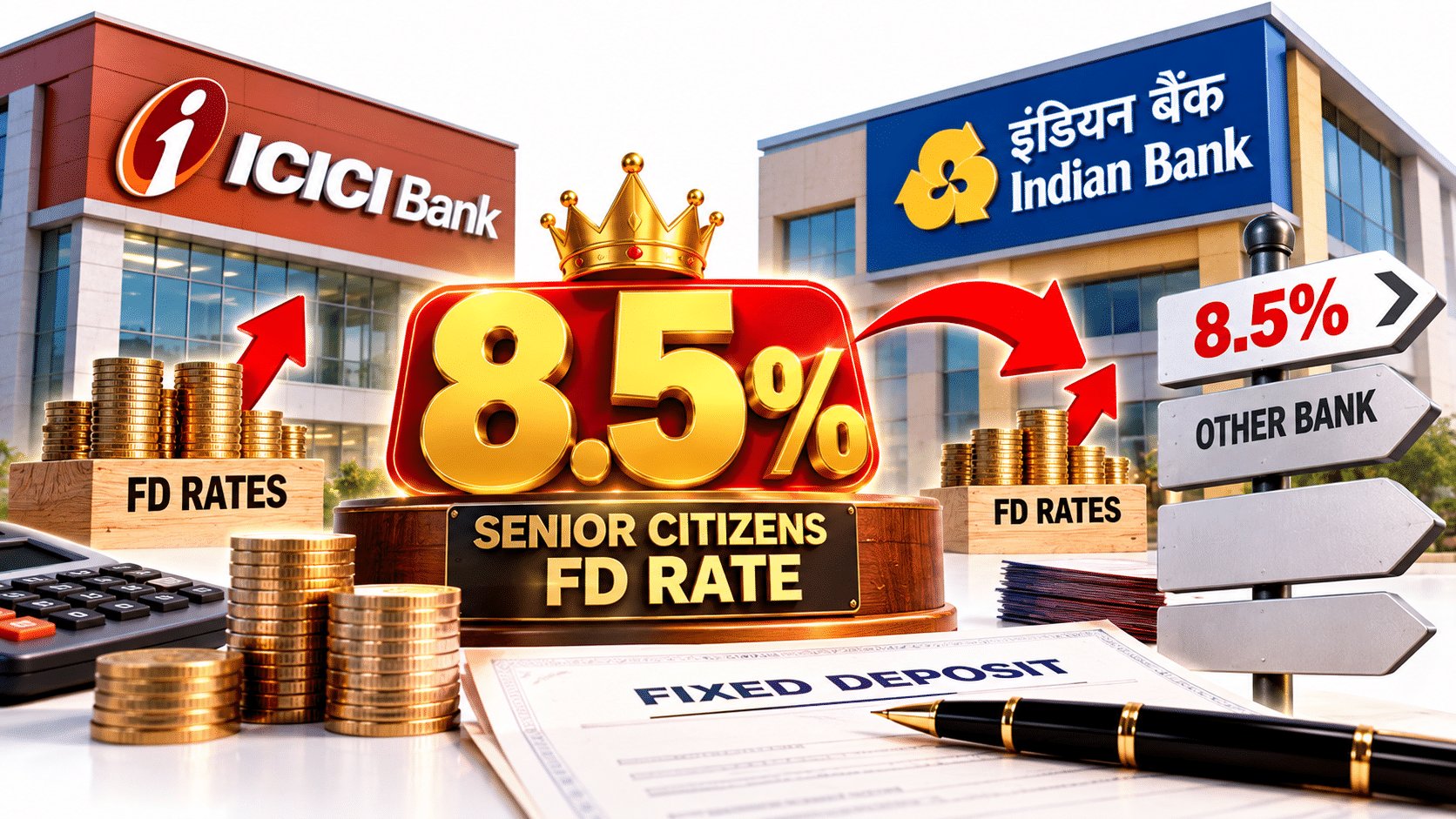
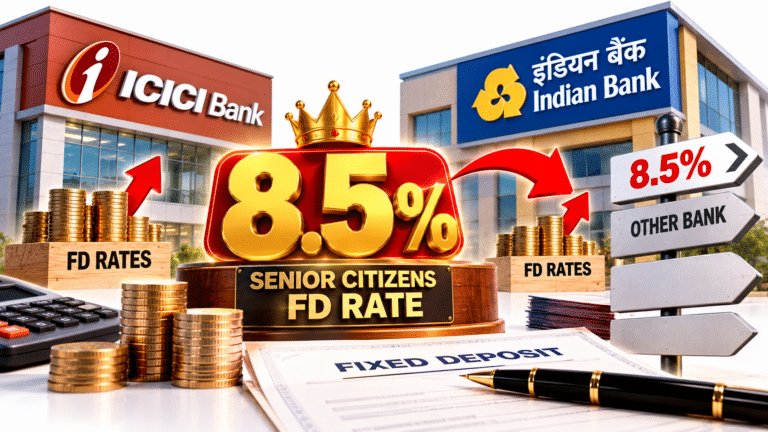
ICICI Bank and Indian Bank Raise FD Rates — but the 8.5% Senior Citizen Rate Comes From Elsewhere
ICICI, Indian Bank Raise FD Rates: Where Seniors Actually Get 8.5% (October 2026) Fixed Deposits · Senior Citizens · Rates as of October 24, 2026 ICICI Bank and Indian Bank Raise FD Rates — but the 8.5% Senior Citizen Rate Comes From Elsewhere ICICI Bank and Indian Bank lifted fixed deposit rates on October 23,…
-
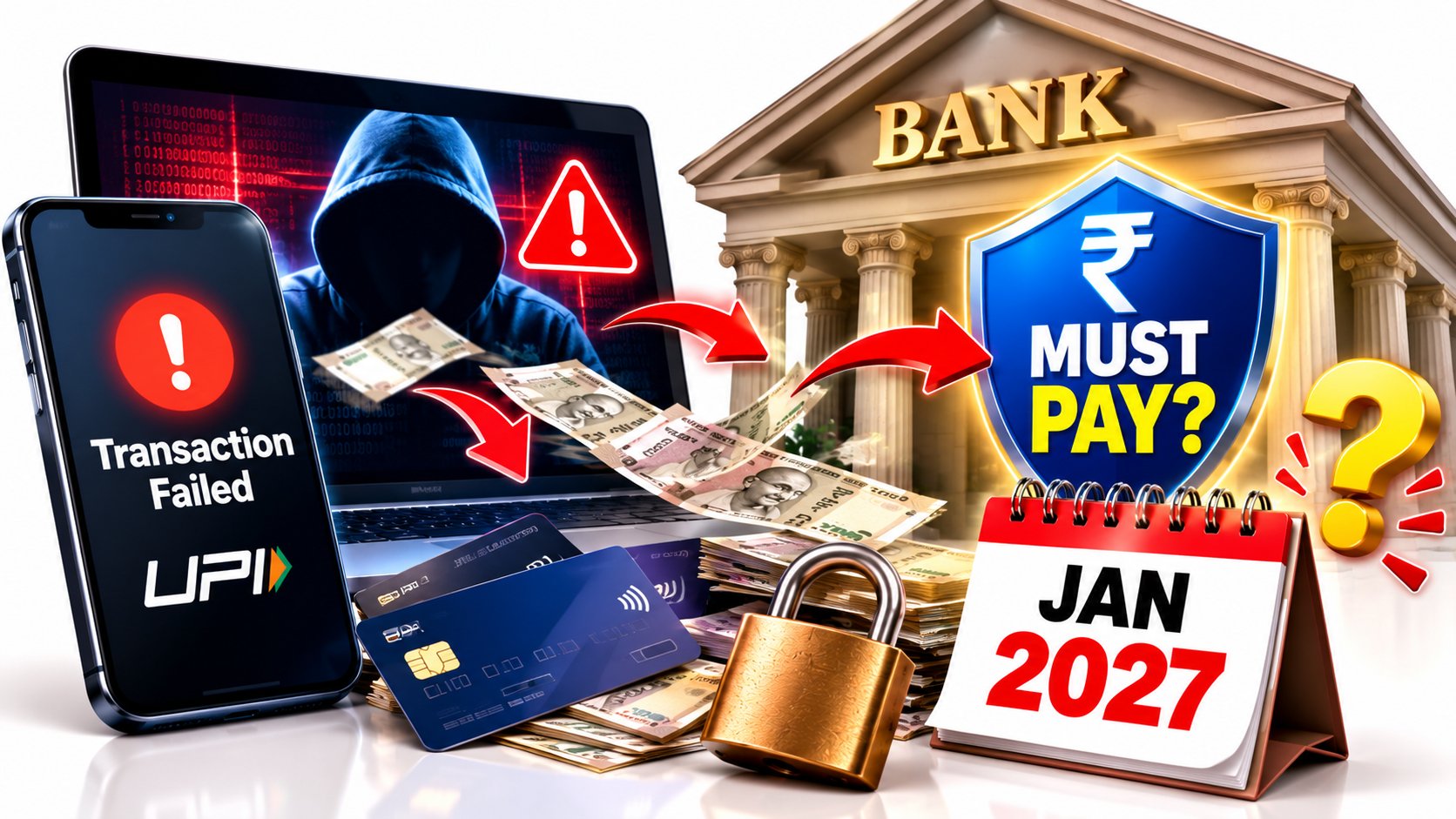
Lost Money to Online Fraud? When Your Bank Must Pay — and What Changes From January 2027
Online Bank Fraud: When Banks Must Refund You, and RBI’s New 2027 Rules Explained BankingFraud & Consumer RightsIndia 2026 Lost Money to Online Fraud? When Your Bank Must Pay — and What Changes From January 2027 RBI rules already make banks bear losses from their own failures and from third-party breaches reported quickly. New directions…
-
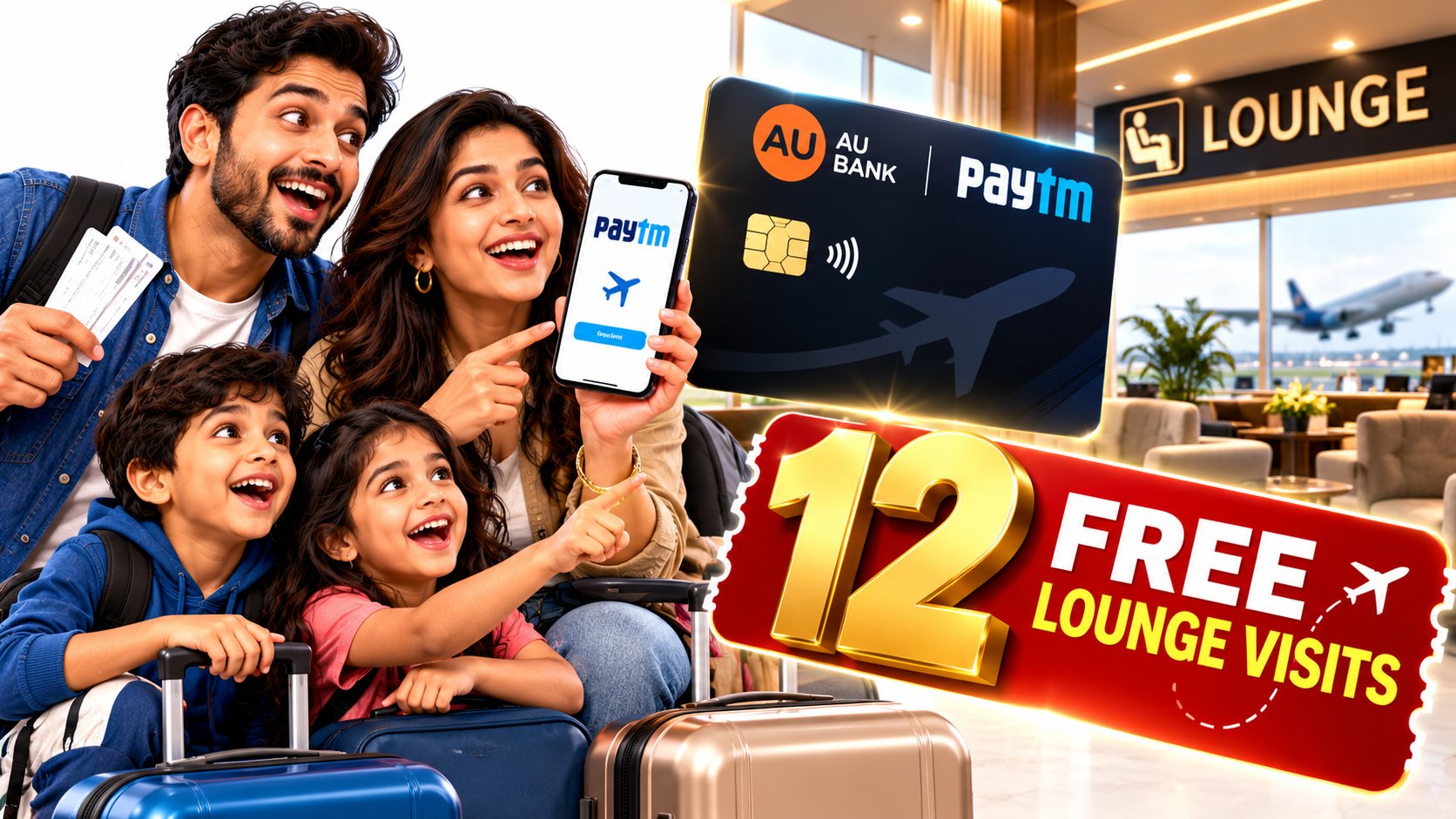
AU Bank and Paytm’s New Card Gives Families Up to 12 Free Lounge Visits — If You Book Flights on Paytm
Paytm AU SFB Credit Card: 12 Family Lounge Visits, Fees and Rewards Explained (2026) Credit Cards Travel India 2026 AU Bank and Paytm’s New Card Gives Families Up to 12 Free Lounge Visits — If You Book Flights on Paytm The lifetime-free Paytm AU SFB RuPay Credit Card, launched on October 21, 2026, lets up…
-
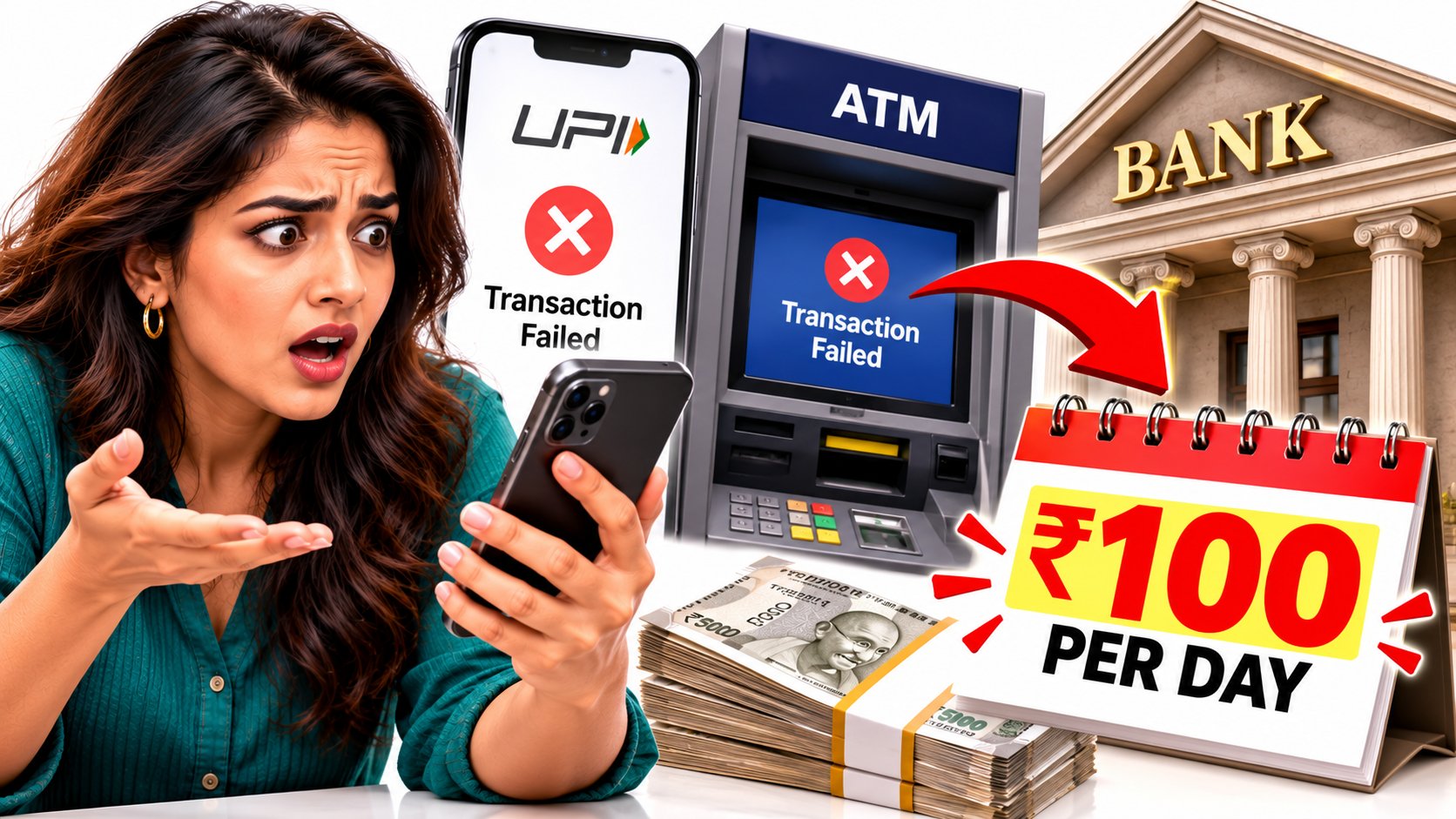
Failed UPI or ATM Transaction? Your Bank May Owe You ₹100 for Every Day It Is Late
Failed UPI, ATM or Card Transaction: When Banks Must Pay ₹100 a Day (RBI Rules) Banking · Digital Payments · India 2026 Failed UPI or ATM Transaction? Your Bank May Owe You ₹100 for Every Day It Is Late RBI’s turnaround-time rules give banks one day or five days to reverse money debited in a…
-
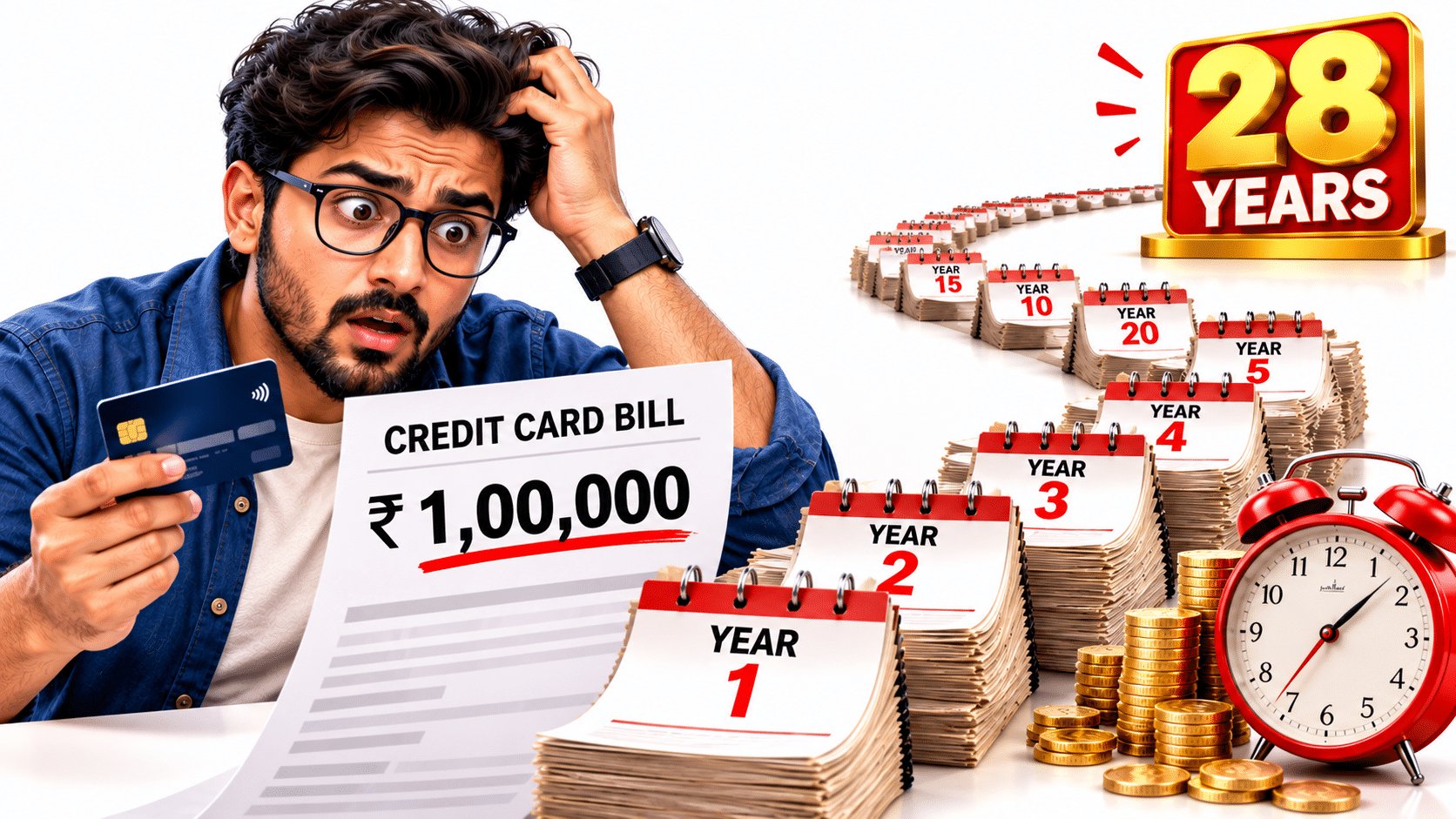
Paying Only the Minimum on Your Credit Card? A ₹1 Lakh Bill Could Take About 28 Years to Clear
Paying Only the Minimum Credit Card Bill: What It Really Costs in India (2026) Credit Cards · Debt & Interest · India 2026 Paying Only the Minimum on Your Credit Card? A ₹1 Lakh Bill Could Take About 28 Years to Clear The minimum amount due keeps your card in good standing, but it barely…
-
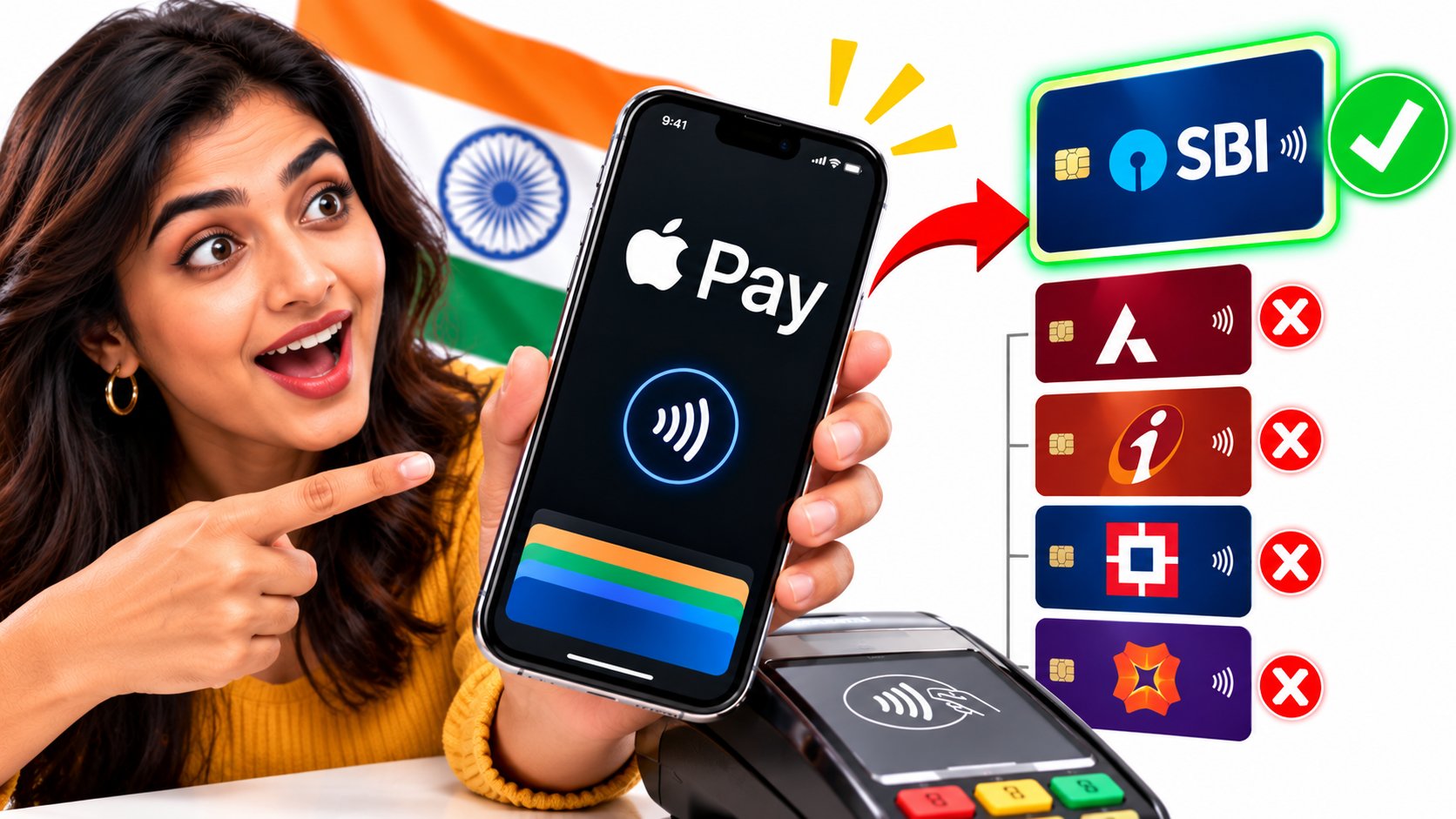
Apple Pay Is Finally Live in India — But Only One Bank’s Credit Cards Work So Far
Apple Pay India Launch: Supported iPhones, Cards, Banks and How It Works (2026) Tech & Payments · India 2026 Apple Pay Is Finally Live in India — But Only One Bank’s Credit Cards Work So Far Apple Pay launched in India on September 30, 2026 with Axis Bank Visa and Mastercard credit cards. It works…