Draft ITR Rules 2026 India: No PAN Needed for Vehicles Under ₹5 Lakh and Hotels Below ₹1 Lakh Bill
PAN twist in Draft Income Tax Rules 2026: Cash deposits up to ₹10L yearly? Property deals doubled to ₹20L without PAN? Hotels, cars, insurance—all changing from April 1! What secret thresholds will slash your paperwork—or trap you? Indian taxpayers, uncover the surprises before it’s law!
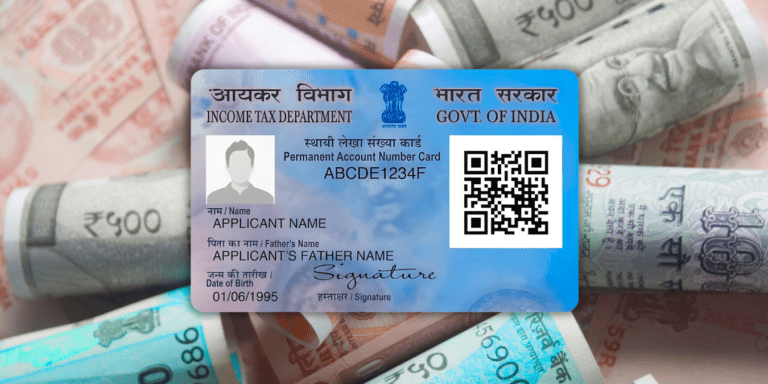
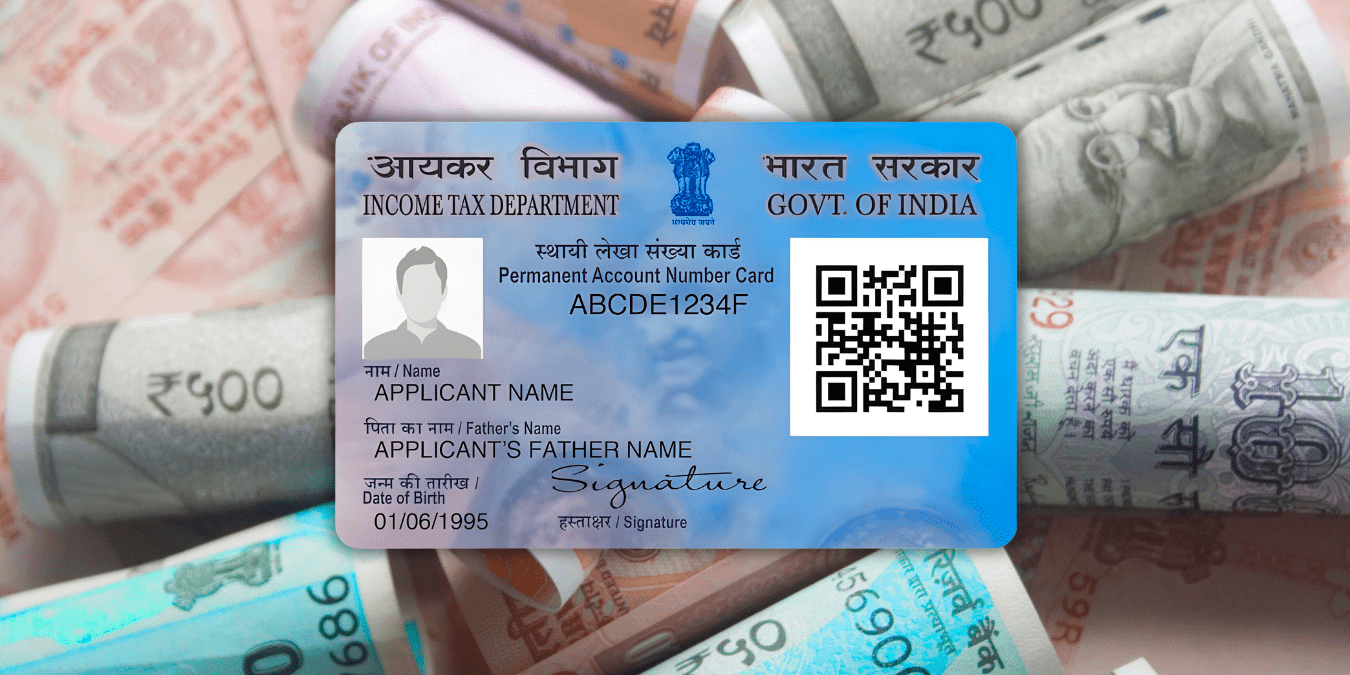
The Union government’s Draft Income‑tax Rules, 2026 mark a major overhaul of the existing regulatory framework, with the Permanent Account Number (PAN) moving from “identity document” to core financial control anchor. For salaried professionals, small‑business owners, investors, and even homemakers who handle household finances, these proposals will reshape how and when PAN is quoted, linked, and validated in daily transactions. Understanding these changes now can prevent higher TDS, refund delays, and transaction blocks once the new rules come into force from 1 April 2026.
Why PAN is at the heart of the new rules
The draft Rules have been framed to align with the Income‑tax Act, 2025, which is set to take effect from 1 April 2026. One of the key design principles is “fewer transactions, smarter tracking”: instead of policing every small cash movement, the system will focus on high‑value deals and long‑term financial flows. PAN is the only identifier that cuts across banks, stockbrokers, jewellers, property registrars, and insurers, which is why the Central Board of Direct Taxes (CBDT) is tightening both its scope and operational status.




Higher thresholds for quoting PAN in daily transactions
Several PAN‑quoting thresholds have been revised upward, effectively reducing compliance burden for small‑value activities while strengthening monitoring of high‑value deals. Here are the key changes that Indians will see in routine banking, property, vehicle, and hospitality spending:
- Cash deposits and withdrawals from banks
Under the current rules, PAN must be quoted for cash deposits above ₹50,000 in a single day with a bank or cooperative bank. The draft proposes shifting to an annual aggregate limit of ₹10 lakh across one or more accounts. In other words, if your total cash withdrawals or deposits in a financial year stay below ₹10 lakh, you will no longer need to repeatedly quote PAN for routine banking. - Motor vehicle purchases (including two‑wheelers)
Presently, PAN is mandatory for all motor vehicle transactions except two‑wheelers. The draft proposes that PAN will be required only if the purchase price exceeds ₹5 lakh, and this will now include high‑value two‑wheelers while excluding tractors. This change aims to reduce paperwork for small‑value vehicle deals and concentrate scrutiny on premium cars, SUVs, and heavyweight bikes. - Hotel, restaurant, and event payments
At present, PAN is to be quoted if hotel or restaurant bills exceed ₹50,000. The draft proposes raising this threshold to ₹1 lakh for payments to hotels, restaurants, convention centres, banquet halls, and event‑management service providers. For most families hosting weddings or conferences, this means PAN will be needed only for large, high‑budget events rather than every mid‑range function. - Immovable property transactions
Currently, PAN is required if the transaction value in immovable property exceeds ₹10 lakh for purchase, sale, gift, or joint development agreements. The draft proposes doubling this to ₹20 lakh, which will ease paperwork for low‑value property deals while ensuring that higher‑ticket transactions remain fully traceable.
These upward revisions are explicitly framed as relief measures for small‑value transactions, especially for small businesses, traders, and professionals who currently deal with frequent PAN‑quoting obligations. However, higher‑value players (real‑estate buyers, frequent cash users, and large spenders) will still operate under a robust audit trail.
PAN and insurance: a new “account‑based” requirement
Another notable shift is the proposed extension of PAN‑linkage to insurance relationships, not just premium amounts. Under the current provisions, PAN is required only when annual life insurance premiums exceed ₹50,000. The draft Rules propose that PAN will become mandatory for initiating any account‑based relationship with an insurer, such as opening a new life‑insurance policy or an investment‑linked plan.
This change effectively brings insurers into the same KYC‑plus‑PAN framework as banks and mutual funds. For an average Indian household, it means that even if a term‑insurance premium is modest, the insurer will still verify PAN at the onboarding stage, enhancing transparency and reducing misuse of fake or duplicate identities.
PAN‑Aadhaar linkage: from “good practice” to “non‑negotiable”
One of the most significant moves in the draft framework is the formalization of the PAN‑Aadhaar linkage requirement, which will be enforced under new Rule 162. Under this rule, a PAN becomes inoperative if the taxpayer fails to intimate their Aadhaar number as required by Section 262(6) of the Income‑tax Act, 2025.
Key consequences of an inoperative PAN include:
- No income‑tax refunds will be granted during the period the PAN is inoperative.
- No interest on tax refunds will be payable for that period.
- Higher TDS/TCS rates may apply under Sections 206AA and 206CC, which can push the effective tax rate on interest, rent, commission, and other payments.
Once the taxpayer intimate Aadhaar and pays the prescribed fee under Rule 158, the PAN is expected to become operative again within 30 days. This timeline‑based activation removes earlier ambiguity and gives clear visibility on when normal compliance resumes.
For millions of salaried Indians and senior citizens, this means that keeping PAN and Aadhaar in sync is no longer optional; it is now a structural requirement affecting refunds, pensions, interest income, and even routine banking.
Stricter PAN checks in property and high‑value deals
The draft Rules also signal a tighter grip on real‑estate transactions and high‑value payments. For example, anyone without a PAN who enters into a property transaction valued above ₹45 lakh (or where the stamp duty value exceeds ₹45 lakh) will be required to apply for a PAN before completing the deal. Property registrars, sellers, and intermediaries will be expected to verify that PAN is correctly mentioned in sale deeds and registration documents, thereby closing previous loopholes where some transfers were executed without PAN.
Similar principles are being applied to large‑value payments for goods and services, where PAN will be required for high‑value transactions even if the supplier is not mandatorily required to file returns under the GST regime. This closes the “cash‑only” route for high‑ticket purchases and ensures that large‑value flows are captured in the tax‑net.
Practical steps every Indian taxpayer should take
Given that these draft Rules are expected to be notified by early March 2026 after stakeholder consultations, now is the right time for proactive compliance. Here are focused actions:
- Check and update PAN‑Aadhaar linkage
Log in to the Income Tax e‑filing portal and confirm that your PAN and Aadhaar details match on name, date of birth, and gender. If you have not linked Aadhaar with PAN, complete the linkage before the deadline to avoid an inoperative PAN and higher TDS/TCS. - Review your annual cash‑flow pattern
If you are a business owner, freelancer, or professional who regularly deals in cash, estimate your annual cash deposits and withdrawals. If these are likely to cross ₹10 lakh, plan to shift to bank transfers or digital payments wherever possible to keep your cash trail within the higher threshold and avoid unnecessary scrutiny. - Plan for high‑value property and vehicle deals
If you are planning to buy or sell property valued above ₹20 lakh or a vehicle above ₹5 lakh, ensure that your PAN is active, correctly linked with Aadhaar, and that all transaction documents carry the right PAN details. This will help avoid last‑minute registration issues or TDS complications with the seller or developer. - Update your insurance and banking KYC
If you are opening new insurance policies or investment‑linked plans, assume that PAN will be mandatory at the account‑opening stage rather than based only on premium amount. Keep your PAN, Aadhaar, and basic KYC documents ready for faster onboarding. - Verify your PAN status regularly
The Income Tax Department is expected to formalise real‑time digital verification of PAN status, allowing banks, brokers, and insurers to instantly check whether a PAN is operative or inoperative. Download Form 26AS or check your profile on the e‑filing portal periodically to confirm that your PAN is active and that TDS/TCS credits are appearing correctly.
How these changes fit the bigger picture for India
From a policy perspective, the Draft Income‑tax Rules, 2026 are designed to simplify compliance for small‑value transactions while sharpening monitoring of high‑value flows. By raising PAN‑quoting thresholds for cash, property, vehicles, and hospitality, the government is reducing the burden on honest, small‑ticket transactors. At the same time, mandatory PAN‑Aadhaar linkage and stricter rules for inoperative PAN ensure that large‑value deals and repeat non‑filers remain firmly within the tax‑net.
For an Indian audience, this means that ordinary compliance (filing ITR, paying tax, and keeping PAN‑Aadhaar linked) will become more important than ever. The shift is from a “paper‑based” verification system to a digital, real‑time, and threshold‑based framework, where the tax department can track patterns and flag anomalies without disrupting day‑to‑day life for small taxpayers.
In essence, the PAN‑related changes in the Draft Income‑tax Rules, 2026 are not about introducing entirely new taxes, but about streamlining how your financial identity is tracked across India’s banking, insurance, and property ecosystem. Staying ahead of these rules today can help you avoid higher TDS, delayed refunds, and transaction blocks tomorrow.