Did Union Budget 2026 Announce the 8th Pay Commission? An Indian Employee's Guide to Salary Hikes, Arrears, and DA Realities
Did Union Budget 2026 secretly signal the future of the 8th Pay Commission, DA hikes, and arrears without naming them? Discover what’s hidden between the lines, why just 2% DA from January 2026 changes everything, and how it could reshape your salary and pension.
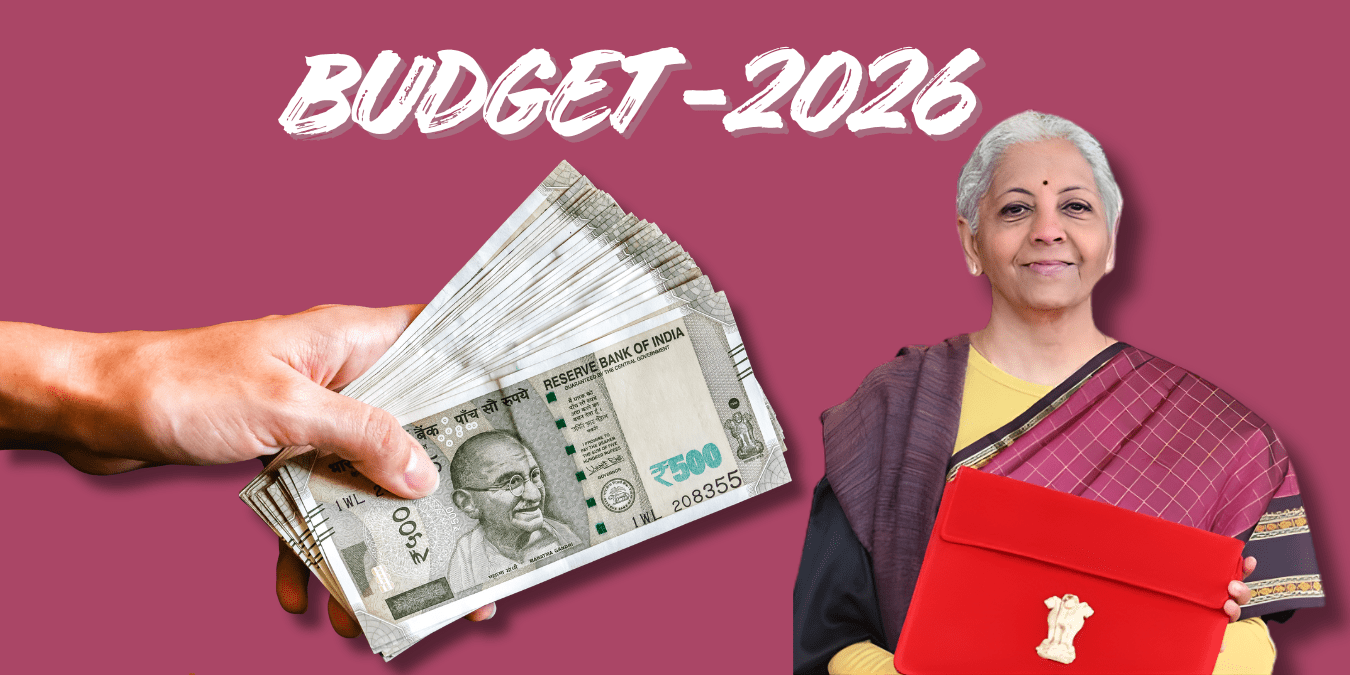
Union Budget 2026, presented by Finance Minister Nirmala Sitharaman on February 1, made no direct announcement on the 8th Pay Commission, leaving millions of central government employees and pensioners awaiting clarity on salary revisions. Instead, it emphasized infrastructure, manufacturing, and fiscal consolidation, with public capex rising to ₹12.2 lakh crore. From an Indian viewpoint, this silence amplifies uncertainties around Dearness Allowance (DA) hikes, arrears, and pension updates amid rising living costs.
Budget 2026: No Mention of 8th CPC
The Budget speech and key features document focused on “Yuva Shakti-driven growth,” infrastructure like high-speed rail corridors, and MSME support via a ₹10,000 crore fund, but skipped the 8th Pay Commission entirely. Employee unions highlighted this omission, warning of strikes over demands like 20% interim relief and merging 50% DA into basic pay. In India, where government jobs anchor family finances for over 50 lakh employees and 69 lakh pensioners, this gap fuels frustration as inflation erodes purchasing power.
Historically, pay commissions aren’t budgeted mid-process; the 7th CPC was notified in 2014 but implemented in 2016. The 8th CPC, constituted in November 2025 with Terms of Reference approved in October, has 18 months to report—likely by mid-2027. For everyday Indians relying on steady salaries, Budget 2026’s fiscal deficit target of 4.3% signals prudence over immediate payouts.



Current Status of 8th Pay Commission
Approved last year under Justice Ranjana Prakash Desai, the commission reviews pay, pensions, and allowances effective potentially from January 1, 2026. No implementation yet; DA hikes continue under 7th CPC rules until revisions. Indian employees track this closely, as past commissions reset DA to 0% post-merger, boosting basic pay by 14-23%.
Unions demand Old Pension Scheme revival and frozen DA installments, but government prioritizes fiscal health amid global volatility. Speculation points to a fitment factor of 1.8-2.5, implying 30-34% hikes, but official word awaits the report. In households across metros and smaller towns, this means budgeting for modest DA increments rather than windfalls.
Only 2% DA Hike from January 2026 Confirmed?
Labour Bureau’s December 2025 AICPI-IW data pegged DA/DR at 60% (from 58%), a 2% rise effective January 1, 2026—announced post-Budget, not in it. This adds ₹400-₹1,000 monthly for basic pays of ₹20,000-₹50,000.
| Basic Pay Slab | Salary at 58% DA | Salary at 60% DA | Monthly Gain |
| ₹20,000 | ₹31,600 | ₹32,000 | ₹400 |
| ₹30,000 | ₹47,400 | ₹48,000 | ₹600 |
| ₹40,000 | ₹63,200 | ₹64,000 | ₹800 |
| ₹50,000 | ₹79,000 | ₹80,000 | ₹1,000 |
Pensioners get matching DR; arrears from January arrive by March-April. For Indian families facing 5-6% food inflation, this cushions but doesn’t thrill—especially as 8th CPC could reset DA.
Arrears: Will Employees Get Them, and When?
Arrears—backpay for delayed hikes—are “normally expected” from January 1, 2026, if implemented later, per precedents like 7th CPC’s ₹12,133 crore payout. No Budget confirmation; ICRA warns of 40-50% salary expenditure spike in FY28, straining budgets.
Timeline: Report by 2027, approval 2027-28, arrears for 12-24 months possibly ₹2-5 lakh per junior employee. Indian perspective: Vital for debt-ridden families, but fiscal targets (debt-to-GDP at 55.6%) may delay. Unions push for retrospective effect; government hints yes, but unconfirmed.
Why This Matters for Salary and Pension Revision
A modest 2% DA sustains 7th CPC (ended Dec 2025) till 8th CPC, forming its base—higher DA means better merger into basic pay. Salaries could jump via fitment (e.g., Level 1 from ₹18,000 to ₹32,000+ at 1.8 factor), resetting allowances. Pensions follow suit, impacting 69 lakh retirees.
In India, where 47% workforce is informal, stable government pay influences remittances to villages, consumption, and GDP. Budget’s capex focus (₹12.2 lakh crore) creates jobs but hikes committed spends later. Employees face HRA/TA recalibrations; no merger means ongoing biannual DA tweaks.
Indian Employee Unions React Strongly
Post-Budget, unions like CCGEW threatened February 12, 2026, strikes for interim relief, OPS restoration, and DA merger. They argue Budget ignores “committed expenditure” rigidity from FY28. From Delhi offices to southern railways, agitation builds—echoing 2019-20 protests.
Government counters with fiscal glide path: Deficit down to 4.3%, freeing resources long-term. For the common Indian employee—teacher, clerk, or soldier—this tests patience amid onion prices at ₹80/kg.
Future Outlook: What Lies Ahead
8th CPC report eyed late 2027; implementation FY28 with arrears. DA may hit 62-64% by July 2026. Track MoS Finance replies; Rajya Sabha confirmed ongoing work.
Advice for Employees: Update bank details for arrears; use 60% DA for SIPs. Budget’s silence isn’t rejection—it’s process. In Viksit Bharat’s vision, balanced finances ensure sustainable hikes.
This matters deeply in India, where salary revisions ripple through markets—from auto sales to real estate. Stay informed via PIB; unions amplify voices.