Big Update For Salaried Class In India: Subscribers Can Soon Withdraw PF Money Through UPI
Imagine withdrawing your PF money as easily as paying for chai—no forms, no waiting. By April 2026, 8 crore Indians will access retirement savings instantly via UPI. But there’s a catch: only part of your money will be unlocked. Here’s what’s frozen and what you can withdraw immediately.
The Indian government has just announced a game-changing development that will transform how millions of salaried employees access their hard-earned Provident Fund savings. In a move that aligns perfectly with India’s digital-first vision, the Employees’ Provident Fund Organisation (EPFO) is set to introduce UPI-based withdrawals for PF subscribers. This isn’t just another incremental update—it’s a fundamental shift in how we interact with our retirement savings.
Understanding the Groundbreaking Announcement
For decades, withdrawing PF money has been synonymous with paperwork, multiple visits to EPFO offices, and waiting periods that could stretch from weeks to months. I’ve personally witnessed colleagues spending entire afternoons trying to navigate the withdrawal process, often requiring leave from work just to submit documents. This new UPI integration promises to dismantle these barriers entirely.
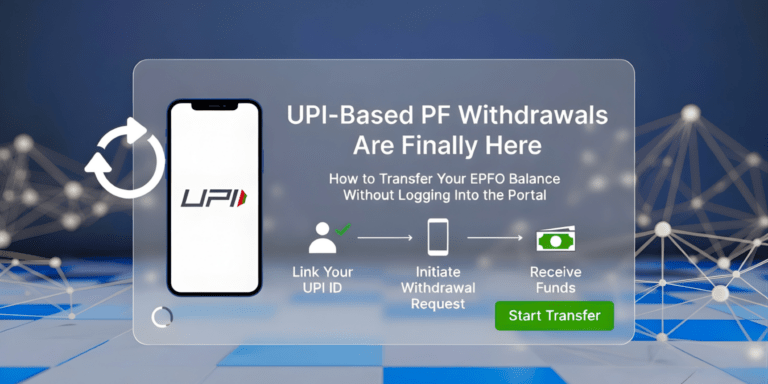
According to top sources speaking to PTI, the EPFO is set to launch a revolutionary new mobile application by April 2026 that will allow its 8 crore members to withdraw eligible portions of their Provident Fund directly via Unified Payments Interface (UPI). This development, part of the ambitious EPFO 3.0 upgrade, aims to make the withdrawal process instantaneous, paperless, and fully digital.
Here’s the crucial detail: while a certain proportion of the EPF will remain frozen (presumably to protect core retirement savings), a substantial chunk will be available for withdrawal through bank accounts using UPI. This balanced approach ensures both accessibility and long-term financial security—a thoughtful design that reflects the dual nature of PF as both emergency funds and retirement corpus.
The EPFO 3.0 Vision: Banking-Level Service Standards
What makes this announcement particularly significant is the government’s stated ambition: to bring EPFO services on par with banks. This isn’t just about matching convenience—it’s about fundamentally reimagining what social security administration looks like in a digital age.
Currently, EPFO handles over 5 crore claims annually, with the vast majority being EPF withdrawal requests. Processing this volume through traditional methods creates bottlenecks, delays, and frustration for members. The new system is specifically designed to ease this load through automation and instant processing.
The groundwork for this transformation is already being laid. EPFO recently upgraded its auto-settlement mode, which settles claims electronically within 3 days without manual intervention. Significantly, the limit for this auto-settlement has been raised to Rs 5 lakh from the existing Rs 1 lakh—a five-fold increase that covers most withdrawal scenarios for average subscribers.




How UPI Integration Will Transform PF Withdrawals
The traditional PF withdrawal process has always been a test of patience. Currently, subscribers must log into the EPFO portal, submit claim forms, upload supporting documents, and then wait for bank account verification before funds are transferred. Even with the improved auto-settlement mode reducing processing time to 3 days, the process still involves multiple steps and waiting periods.
With UPI integration through the new mobile app, the withdrawal process is expected to become nearly instantaneous. Here’s what makes this revolutionary: UPI already serves as a verified digital identity linked to your bank account. When EPFO taps into this infrastructure through their dedicated app launching in April 2026, it eliminates redundant verification steps. Your UPI ID essentially becomes a trusted bridge between your PF account and your bank account.
Think about how you currently pay your local vegetable vendor or split a restaurant bill—that same simplicity is coming to PF withdrawals. The technology that processes billions of small transactions daily will now handle your retirement savings with the same efficiency.
The Indian Context: Why This Matters More Here
India’s workforce dynamics make this update particularly significant. Unlike Western economies where job tenures are longer, Indian professionals—especially in sectors like IT, retail, and hospitality—frequently change employers. Each job change potentially triggers a PF withdrawal or transfer.
With 8 crore EPFO members spread across the country, this change will impact a massive segment of India’s working population. I’ve observed countless instances where people delay withdrawing small PF amounts because the effort seems disproportionate to the sum involved. A former colleague once told me he had ₹12,000 stuck in an old PF account from a job he held for just eight months. The hassle of withdrawal seemed more trouble than it was worth. With UPI integration through the new app, such abandoned amounts could be accessed within minutes, putting dormant savings back into active circulation.
Moreover, India’s vast geography presents unique challenges. A software engineer in Bangalore might have PF accounts from previous jobs in Mumbai, Hyderabad, and Pune. Physical access to EPFO offices isn’t always practical. The new mobile application with UPI capabilities isn’t just convenient—it’s essential for a mobile workforce spread across 28 states and 8 union territories.
Technical Implementation: What We Know So Far
The new EPFO mobile application scheduled for April 2026 will be the primary gateway for UPI-based withdrawals. While complete technical specifications haven’t been released, the system will likely build upon the existing infrastructure while introducing new capabilities.
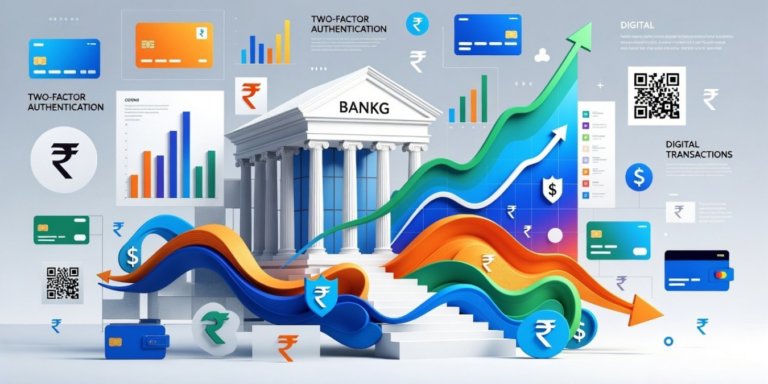
The security architecture will be critical. UPI transactions already employ two-factor authentication—your UPI PIN and device-level security. For PF withdrawals through the new app, we can expect additional layers, perhaps including biometric verification through Aadhaar or OTP-based confirmation, given the potentially large sums involved.
One important aspect is how the system will determine which portion of your PF is available for UPI withdrawal versus what remains frozen. The frozen portion likely represents your core retirement savings that should remain untouched for long-term security. The withdrawable portion might include your own contributions, employer contributions up to certain limits, or specific advance categories like medical emergencies or housing.
The Rs 5 lakh auto-settlement limit is particularly significant. This threshold covers most withdrawal scenarios—job changes, partial withdrawals for housing or education, or medical emergencies. For amounts exceeding Rs 5 lakh, there may be additional verification requirements, but the UPI infrastructure will still facilitate faster processing than current methods.
Benefits Beyond Convenience
The immediate benefit—speed and ease of access—is obvious. But this integration carries deeper implications for financial inclusion and economic efficiency.
Emergency Access to Funds: Indian families often face sudden financial needs—medical emergencies, educational expenses, or family obligations. PF savings serve as a crucial safety net. Instant UPI-based withdrawal means better emergency response. During the COVID-19 pandemic, EPFO did allow special COVID-19 advance withdrawals, but the process still took time when people needed funds urgently. The new system would make such emergency access genuinely instantaneous.
Reduced Administrative Burden: With over 5 crore claims processed annually, EPFO’s workload is enormous. Each claim requires verification and processing resources. UPI integration through the new app can automate routine withdrawals, allowing EPFO staff to focus on complex cases, member services, and exception handling rather than processing straightforward transactions.
Financial Transparency: When PF money flows through UPI, it creates clear digital trails. This transparency benefits both subscribers and regulators. Subscribers get instant confirmation and transaction records accessible through the mobile app. Regulators can better monitor fund movements and identify irregularities.
Boosting Digital Literacy: Every new digital service adoption builds capability. As 8 crore salaried employees grow comfortable with the new EPFO app and UPI-based PF transactions, they become more receptive to other digital financial services. This creates a virtuous cycle of financial digitization.
Competitive Service Standards: The government’s goal of bringing EPFO services on par with banks is transformative. It signals that social security institutions must match private sector efficiency and user experience. This competitive mindset benefits all members.
Progressive Improvements Leading to This Moment
The April 2026 launch didn’t emerge from nowhere. EPFO has been progressively digitizing its operations, each step building toward this comprehensive transformation.
The current auto-settlement mode, which processes claims within 3 days without manual intervention, represented a significant leap forward. The recent increase of its limit from Rs 1 lakh to Rs 5 lakh shows EPFO’s confidence in automated systems and understanding of members’ needs. Most PF withdrawals fall within this range, meaning the majority of the 5 crore annual claims can now be processed automatically.
These incremental improvements have served as testing grounds. EPFO has learned what works, identified bottlenecks, and built member trust in digital processes. The new mobile app with UPI integration represents the culmination of this learning journey.
Challenges and Considerations
No major system change comes without challenges. Several concerns need addressing as this rolls out:
Digital Divide: While urban India has embraced UPI enthusiastically, penetration varies in smaller towns and rural areas. EPFO must ensure traditional withdrawal methods remain available during the transition period and beyond for those who need them. Not all 8 crore members will immediately adopt the new app.
Determining the Frozen Portion: The exact formula for calculating which portion remains frozen versus what’s available for UPI withdrawal needs transparency. Members should clearly understand how much they can access instantly and what conditions govern frozen amounts. This clarity is essential for trust and planning.
Cybersecurity Concerns: PF accounts contain life savings. The new mobile app handling potentially lakhs of rupees per transaction will be an attractive target for cybercriminals. EPFO will need robust security protocols and comprehensive subscriber education about safe digital practices. Phishing attempts impersonating the official app could become sophisticated.
System Scalability: While UPI handles billions of transactions monthly, most are small-value retail payments. PF withdrawals through the new app, while less frequent, involve larger amounts and critical timing. The infrastructure must handle peak loads, especially during typical withdrawal seasons like April-May when people settle finances after the financial year-end.
Customer Support: When digital transactions fail or face delays, responsive customer support becomes crucial. EPFO must build support mechanisms within the new app and through other channels that can handle UPI-related queries effectively, with multilingual support given India’s linguistic diversity.
What Subscribers Should Do Now
While we await the April 2026 launch, salaried employees can take preparatory steps:
Ensure UAN Activation: Your Universal Account Number must be activated and linked to your Aadhaar and bank account. This is the foundation for any digital EPFO service, including the upcoming app.
Update Contact Information: Register your current mobile number and email with EPFO. Communication about the new app and its features will likely come through these channels. You’ll also need a verified mobile number for the app’s authentication.
Familiarize Yourself with Current EPFO Digital Services: The Umang app and EPFO portal already offer various services. Getting comfortable with these platforms will make the transition to the new dedicated app smoother. Understanding how auto-settlement currently works will help you appreciate the enhanced capabilities coming in April 2026.
Maintain Clean Records: Ensure your PF account details match your current documentation. Discrepancies in names, dates, or account numbers can create complications even with automated systems.
Set Up UPI: If you’re among the minority who haven’t yet adopted UPI, now is the time. Download any UPI app, link your bank account, and familiarize yourself with how UPI transactions work. This will make using the EPFO app’s UPI withdrawal feature intuitive from day one.
The Bigger Picture: India’s Digital Public Infrastructure
This PF-UPI integration fits within India’s broader digital public infrastructure strategy. The same approach that linked Aadhaar with banking, created the UPI ecosystem, and enabled instant digital payments is now extending to social security through the new EPFO application.
The India Stack—the collection of APIs and digital public goods—has demonstrated how thoughtful technology deployment can leapfrog traditional development stages. While other countries are still discussing digital identity and instant payments, India is already layering services upon proven infrastructure.
What makes this approach particularly Indian is the scale and inclusion mindset. These aren’t exclusive services for the affluent; they’re designed for mass adoption across 8 crore members. A factory worker and a corporate executive will use the same app, the same UPI infrastructure. This democratization of financial services is unprecedented globally.
The government’s aspiration to bring EPFO services on par with banks represents a philosophical shift. Social security organizations worldwide have traditionally operated with government-service mentality—functional but not user-centric. India is reimagining this model, asking: why shouldn’t accessing your PF money be as smooth as using your bank’s mobile app?
Looking Ahead: Future Possibilities
Once the April 2026 app launches and UPI integration is established for withdrawals, other possibilities emerge. Could we see real-time PF balance checks without logging into separate portals, all within the same app? Might employers use UPI rails for PF contributions, creating real-time crediting instead of monthly cycles? Could PF-backed instant loans become possible for verified emergencies, processed through UPI within the app?
The technology foundation being laid today could support these innovations tomorrow. As India’s digital infrastructure matures, the gap between “possible” and “implemented” continues shrinking. The EPFO 3.0 upgrade likely envisions many such features beyond just UPI withdrawals.
There’s also potential for integration with other government services. Could the app eventually handle pension payments, insurance claims, or other social security benefits? The unified app approach could make the EPFO platform a comprehensive social security hub for India’s workforce.
Final Word
The introduction of UPI-based PF withdrawals through the new EPFO mobile application launching in April 2026 represents more than technological upgrading—it’s about respecting the time and effort of India’s 8 crore salaried workforce. It acknowledges that retirement savings, while important for the future, sometimes need to serve present needs, and accessing your own money shouldn’t require bureaucratic marathons.
The thoughtful design—keeping a portion frozen while making a substantial chunk available for instant UPI withdrawal—balances immediate accessibility with long-term financial security. The raised auto-settlement limit of Rs 5 lakh shows EPFO understands the real-world needs of its members.
For India’s massive working population, this update signals that the systems meant to serve them are finally catching up with the digital reality they already live in. The government’s ambition to bring EPFO services on par with banks isn’t just about matching convenience—it’s about recognizing that social security members deserve the same quality of service as bank customers.
As someone who has navigated various government services over the years, I can confidently say this change will be remembered as a defining moment in making social security truly accessible. When the app launches in April 2026, it won’t just be another government application—it will be a statement that India’s digital infrastructure can deliver world-class experiences at massive scale.
The success of this initiative will be measured not in press releases but in the quiet satisfaction of millions who withdraw PF money as easily as they pay for groceries—seamlessly, quickly, and without fuss. That’s the promise of digital India delivering on its potential, one UPI transaction at a time.
Disclaimer: The use of any third-party business logos in this content is for informational purposes only and does not imply endorsement or affiliation. All logos are the property of their respective owners, and their use complies with fair use guidelines. For official information, refer to the respective company’s website.