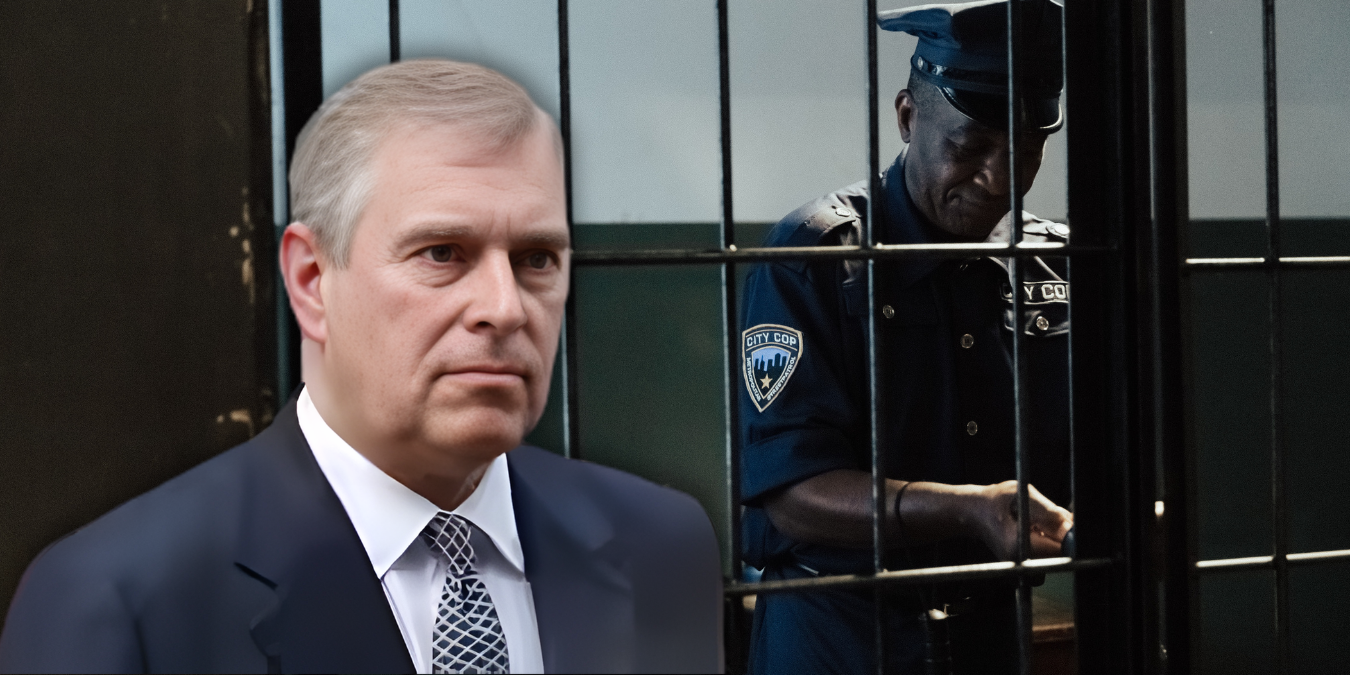
Arrest Of Britain's Ex-Prince Andrew Sparks Global Outrage: What Really Happened and Why It Matters
Britain’s ex-Prince Andrew stripped of titles, sued, and now facing fresh arrest calls after explosive Epstein files unsealed. No charges yet — but legal walls are closing fast. What the documents reveal, what survivors are saying, and why the world is watching this royal reckoning unfold.
When news broke in early 2026 that Britain’s disgraced ex-Prince Andrew — formally known as Prince Andrew, Duke of York — was at the centre of fresh arrest speculation following newly unsealed Jeffrey Epstein court documents, the world did not just pause. It erupted. Social media platforms lit up within minutes. News anchors scrambled to their desks. From London to New Delhi, ordinary people wanted to know one thing: Has Prince Andrew finally been arrested?
The answer, as of this writing, is layered with legal complexity, political sensitivity, and a painful reminder that wealth and royal privilege have historically shielded the powerful from accountability. But the ground beneath Andrew Windsor’s feet has never felt more unstable. This article cuts through the noise, examines the verified facts, and explains what this moment truly represents for justice, for survivors, and for the broader global conversation about elite impunity.
What Actually Triggered the Arrest Speculation?
The latest wave of global attention surrounding ex-Prince Andrew emerged following the phased release of previously sealed documents related to the Jeffrey Epstein sex trafficking case. American courts, responding to years of advocacy from survivors and journalists, began unsealing materials that included names, testimonies, and correspondence allegedly connecting prominent figures to Epstein’s criminal enterprise.
Among those names, Andrew’s surfaced prominently — not for the first time, but with renewed weight given the documentary trail now entering the public record. Virginia Giuffre, one of Epstein’s most prominent accusers, had already made formal allegations against Andrew, stating that she was sexually exploited with him when she was 17 years old. Andrew has consistently denied these claims.
In 2022, Andrew settled a civil lawsuit brought by Giuffre out of court for a reported sum believed to exceed £12 million. Crucially, the settlement did not include any admission of guilt. However, legal analysts and commentators across the UK and the US have argued that settling rather than fighting the case in open court raised serious questions about Andrew’s confidence in his own defense.
The new document releases have reignited calls — including from British members of Parliament — to formally investigate Andrew’s conduct, and there have been renewed demands from the United States for cooperation from British authorities.
Has Prince Andrew Actually Been Arrested? Setting the Record Straight
As of February 2026, Prince Andrew has not been formally arrested. However, the distinction between “not yet arrested” and “legally safe” is critical and is being dangerously blurred in public discourse.
What has happened is significant nonetheless. Andrew was stripped of his royal military titles and HRH (His Royal Highness) status by King Charles III in January 2022, following the announcement that the civil lawsuit filed by Giuffre would proceed. He was asked to step back from public royal duties indefinitely. He no longer represents the Crown in any official capacity.
Legal experts, including former UK Crown Prosecution Service officials who have spoken to major British media outlets, note that for a criminal arrest to take place in Britain, the Crown Prosecution Service would need to assess whether there is sufficient evidence to meet the threshold for charges. Similarly, any extradition request from the United States would need to go through formal diplomatic and legal channels.
What makes the situation volatile is that the newly released Epstein documents appear to contain detailed information that survivors, advocacy groups, and some prosecutors in the US believe could potentially form the basis of new or renewed criminal inquiries. Whether those inquiries extend to Andrew — and whether international legal mechanisms can compel accountability — remains an open and deeply contested question.




Why India and the Global South Are Paying Close Attention
It may seem unusual that this story, centred on British royalty and American legal proceedings, is generating intense discussion across India and the broader Global South. But there are compelling reasons why.
First, there is the question of elite impunity — a concept deeply familiar to citizens in developing nations who have watched the wealthy and powerful escape consequences for decades. The Andrew case is being read, correctly, as a test of whether Western democracies that preach the rule of law are genuinely willing to apply it to their own aristocracy and establishment.
Second, and perhaps more importantly for Indian audiences, this story intersects with broader geopolitical discussions about how Britain and its monarchy navigate a post-colonial identity. Andrew was for many years a trade ambassador for Britain and frequently visited Asian nations including India. His disgrace and potential legal reckoning carry symbolic weight for those who viewed Britain’s establishment as inherently self-protecting.
Third, the Epstein network itself had global tentacles. The sealed documents and ongoing investigations have repeatedly raised the possibility that his trafficking operations connected elites across multiple continents. For anyone following international news carefully, Andrew’s case is not a standalone British royal scandal — it is one piece of a much larger picture of powerful networks that operated across borders with apparent impunity.
The Legal Path Forward: What Could Actually Happen to Andrew?
Legal commentators are divided on the realistic prospects of criminal proceedings against Andrew. Here is an honest, clear-eyed assessment of the possible paths forward.
The civil settlement Andrew reached with Virginia Giuffre in 2022 included a confidential clause. However, US courts have significant power to compel disclosure of materials related to criminal investigations even when civil settlements are in place. If US federal prosecutors — particularly in the Southern District of New York, which has historically handled Epstein-related matters — determine that evidence supports criminal charges against individuals, including foreign nationals, they can issue subpoenas and make extradition requests.
Britain’s extradition treaty with the United States, formalised under the Extradition Act 2003, theoretically makes it possible to extradite British citizens to face charges in America. However, the political complexity of extraditing a member of the royal family — even a disgraced one — would be extraordinary. It would require the active cooperation of the British government and, ultimately, the Home Secretary.
Domestically, British police have consistently maintained that they will “assist any foreign law enforcement agency” but have stated no active UK criminal investigation into Andrew is currently underway. Campaigners and some MPs are pushing for that position to change.
The most realistic near-term scenario, legal analysts suggest, is not a dramatic arrest but continued public pressure, potential new civil actions, and the steady accumulation of documentary evidence that could eventually force British authorities to open a formal inquiry.
Voices of Survivors: Why This Is About More Than Andrew
It would be a profound disservice to the survivors of Jeffrey Epstein’s trafficking network to reduce this story to royal gossip or political theatre. At its core, this is a story about the systematic sexual exploitation of young women and girls — many of them vulnerable, many of them silenced for years through intimidation, legal threats, and the sheer power imbalance between themselves and the men they were alleging abuse against.
Virginia Giuffre has spoken publicly and at significant personal cost about her experiences. Other survivors connected to the Epstein case have described similar patterns of grooming, trafficking, and cover-up that stretched across multiple countries and involved individuals at the highest levels of finance, politics, entertainment, and royalty.
The renewed global attention on Andrew is, in this context, a moment of reckoning that survivors and their advocates have fought for across many years. Whether or not formal charges ultimately materialise, the court of public opinion — and the historical record — has already rendered a verdict on the culture of impunity that enabled Epstein’s network to operate for as long as it did.
The Monarchy Under Pressure: How King Charles Is Handling the Crisis
King Charles III has handled the Andrew situation with what Buckingham Palace insiders describe as a combination of firmness and damage limitation. Andrew was stripped of his royal duties and patronages swiftly once the civil lawsuit became inescapable. His removal from public royal life was designed to insulate the monarchy from further reputational damage.
However, royal commentators note that Charles faces a delicate balance. Andrew remains his brother. There are private family dimensions to the situation that the public rarely sees. And there is the question of Royal Lodge, Andrew’s grace-and-favour residence at Windsor, which has been the subject of ongoing negotiations between Andrew and the palace over his future living arrangements.
The broader monarchy, already navigating tensions following the Duke and Duchess of Sussex’s departure from royal life, cannot afford to be seen as complicit in shielding Andrew from legal scrutiny. Public confidence in the institution — already lower among younger Britons than at any point in recent history — depends on a credible response to these allegations.
What This Case Tells Us About Accountability in the 21st Century
The Andrew story, viewed through a wider lens, is fundamentally about whether institutions in democratic societies are capable of holding their most privileged members to the same standards they apply to everyone else. That question does not have a clean or comfortable answer.
What the past several years have demonstrated, from the initial Epstein prosecution through to the current document releases, is that truth — even when buried under layers of money, legal agreements, and institutional protection — has a way of eventually surfacing. The Epstein files were sealed. Survivors were told their stories would not be believed. Powerful men with powerful lawyers believed they had successfully drawn a line under the scandal.
They were wrong. And the consequences of that are still unfolding.
For ordinary people watching from across the world — including the hundreds of millions in India who have grown up understanding exactly how differently law operates for the powerful versus the powerless — the Andrew case is a litmus test. Not just for British justice. For the global promise that no one is above the law.
A Reckoning That Is Far From Over
Prince Andrew has not been arrested as of February 2026. But the walls are visibly closing. The unsealed Epstein documents, renewed calls from legislators on both sides of the Atlantic, and the relentless advocacy of survivors have created a legal and political environment unlike anything Andrew has faced before.
The story of Britain’s ex-Prince Andrew is no longer simply a royal scandal. It is a defining chapter in the global conversation about whether power and privilege can permanently shield the guilty from consequence. Survivors, journalists, and concerned citizens around the world are watching closely — and they have made clear they are not going away.
The reckoning, whatever form it ultimately takes, is far from over.
Disclaimer: This article is based on publicly available verified information and legal analysis. Prince Andrew has denied all allegations of wrongdoing. The civil settlement with Virginia Giuffre included no admission of guilt. Readers are encouraged to consult primary sources and follow ongoing legal proceedings for the latest developments.