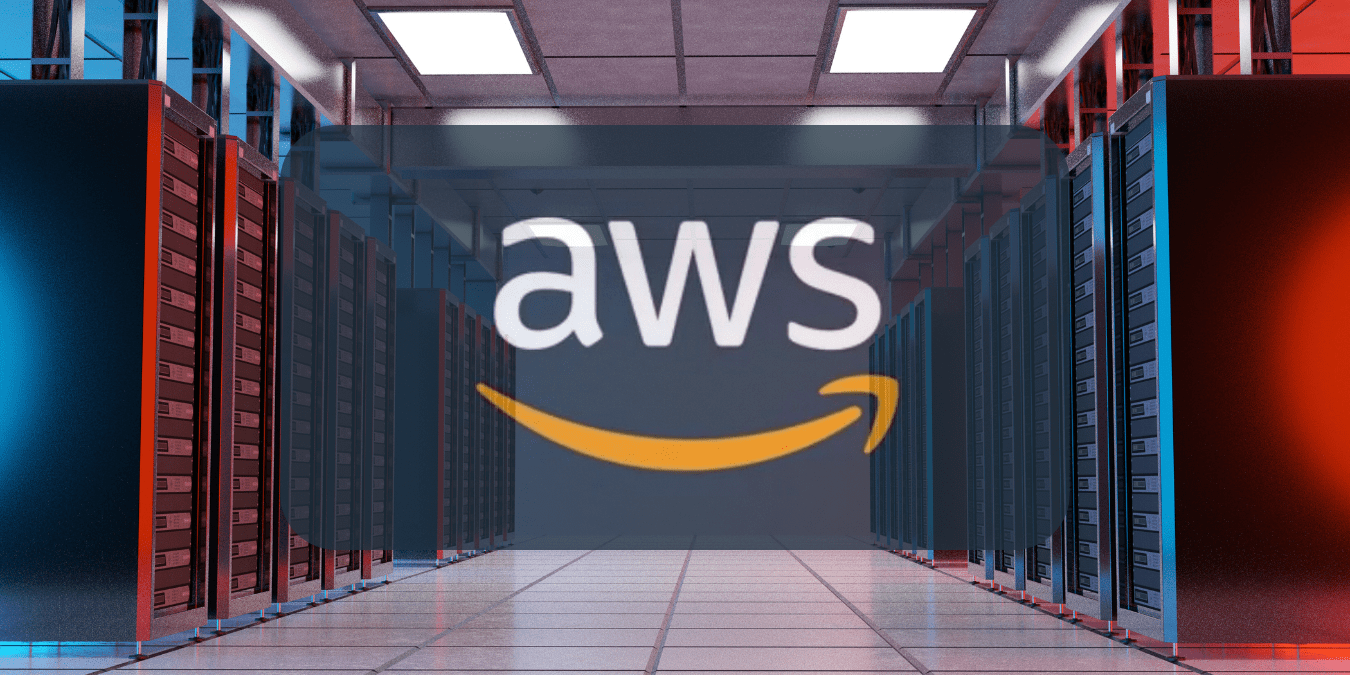
Amazon Web Services confirms sparks and fire after objects impact UAE server farm – impacts on EC2 and RDS services.
Mysterious “objects” slam AWS UAE data center—igniting fire amid Iran strikes. Was it a targeted hit? Cloud giant reels as power dies, services crash. What secrets hide in the ashes? Uncover the shocking truth, business fallout, and resilience secrets that could save YOUR ops next.
Amazon Web Services (AWS), the cloud giant powering much of the world’s digital infrastructure, faced a dramatic disruption when “objects” struck its UAE data center, igniting a fire and knocking out power. This incident on March 1, 2026, unfolded against the backdrop of escalating Middle East tensions following Iran’s retaliatory strikes on the UAE after US and Israeli actions targeting Iran.
The Incident Unfolds
The event hit AWS’s me-central-1 region in the UAE, specifically Availability Zone mec1-az2, around 4:30 AM PST (about 4:30 PM UAE time). AWS reported that unidentified objects impacted the facility, generating sparks that sparked a fire. Local fire department crews responded swiftly, cutting power to the building and generators to safely extinguish the blaze.
AWS’s Health Dashboard marked services in the affected zone as “Disrupted,” with impacts on key offerings like Amazon Elastic Compute Cloud (EC2) and Relational Database Service (RDS). The company estimated several hours for restoration, noting other zones (mec1-az1 and mec1-az3) remained operational initially. By March 2 updates, a secondary power issue hit mec1-az3, straining the remaining mec1-az1 and preventing new instance launches.
This me-central-1 region, launched in 2022, spans three isolated zones in the UAE (likely Dubai area) for redundancy, serving enterprise, government, and regional workloads. Coordinates point to around Dubai (25.2048° N, 55.2708° E), a hub for AWS’s Middle East expansion.
Geopolitical Context
The timing raised eyebrows: Iran’s missile and drone barrages targeted UAE airports, ports, and areas following US/Israeli strikes that reportedly killed high Iranian figures, including Ayatollah Ali Khamenei. AWS neither confirmed nor denied a link when pressed by Reuters, sticking to facts about the “objects.”
UAE, a neutral tech oasis, hosts booming data centers amid Gulf digital push for AI and sovereignty. Yet, proximity to conflicts exposes infrastructure; similar risks hit Israel’s Microsoft site in 2025. AWS’s vague “objects” phrasing echoes careful corporate speak in volatile zones.
Technical Breakdown
Availability Zones (AZs) like mec1-az2 are clusters of data centers with independent power, cooling, and networks, engineered for failover. Multi-AZ setups auto-shift workloads, minimizing downtime for resilient apps.
Impacts included elevated EC2 API errors and RDS issues in mec1-az2. Customers with single-AZ reliance faced outages; distributed ones fared better. AWS’s design held the region partially afloat, but full strain showed as az3 faltered.
Immediate Impacts
Downtime hit cloud-dependent firms in finance, energy, and government across Gulf/MENA. No major customer outages reported publicly, thanks to redundancy, but latency spiked for me-central-1 users. Reddit threads buzzed with devs confirming mec1-az2 downtime amid “war strikes.”
Economically, UAE data hubs drive fintech/AI growth; disruptions ripple to stocks like AWS parent Amazon. No casualties or widespread blackouts noted.




AWS’s Response and Recovery
AWS posted real-time updates on its Health Dashboard, transparent on affected services. Teams worked with UAE authorities; power restoration lagged due to safety protocols. By March 2, partial recovery eyed, but full ops took “many hours.”
AWS emphasized other AZs’ normality, urging multi-zone architectures. No cyber angle confirmed; focus stayed physical.
Broader Implications for Cloud Reliability
This exposes cloud’s physical vulnerabilities in geopolitics hotspots. Data centers, once “boring” infrastructure, now hybrid warfare targets alongside cyber threats. Gulf’s data boom—strict localization laws—amps risks.
Customers rethink: Edge computing (Cloudflare/Akamai) or hardened sites (Cisco/Fortinet) gain traction. AWS’s global 100+ AZs buffer, but regional single-region bets falter.
| Factor | Pre-Incident | Post-Incident Insight |
| Redundancy | 3 AZs in me-central-1 | Multi-AZ essential; single-AZ risky |
| Geopolitical Risk | Low in UAE | Collateral from Iran strikes elevates threats |
| Recovery Time | Minutes for software | Hours/days for physical fire |
| Service Impact | EC2/RDS disrupted | Failover works if architected right |
Lessons for Businesses
The AWS UAE data center fire highlights critical vulnerabilities in cloud infrastructure amid geopolitical tensions. Businesses must act swiftly to safeguard operations.
Diversify Regions and Architect for Resilience
Spread workloads across multiple AWS regions like Europe (eu-central-1 in Frankfurt) or Asia (ap-southeast-1 in Singapore) to avoid single-point failures. Test disaster recovery plans quarterly using AWS Resilience Hub, which simulates outages and validates failover. Multi-AZ and multi-region setups ensured minimal disruption for prepared customers during the mec1-az2 incident.
Tailor Strategies for High-Risk Areas like MENA
For Middle East and North Africa operations, adopt hybrid clouds blending AWS with local providers or sovereign cloud setups to comply with data residency laws while reducing exposure. Insure against physical risks like strikes or fires, and rigorously audit suppliers in volatile zones for security and redundancy.
Proactive Steps to Build Trustworthiness
Conduct regular risk assessments integrating geopolitical intelligence. Invest in edge computing for low-latency failover. These measures, drawn from AWS best practices, transform threats into fortified resilience—protecting revenue and reputation in an unpredictable world.
Future of Data Centers in Tense Regions
Data centers in geopolitically volatile areas like the Middle East face evolving threats, but innovation promises hardened resilience.
Regional Initiatives and Failover Networks
The Gulf Cooperation Council (GCC) is advancing a “GCC Data Grid” for seamless cross-border failover among UAE, Saudi Arabia, and others, enabling instant workload shifts during incidents like the AWS UAE fire.
Emerging Security Trends
Operators are building missile-proof bunkers with reinforced concrete and blast doors, alongside AI-monitored perimeters using computer vision for drone/missile detection. Green backups incorporate solar-powered microgrids and hydrogen fuel cells for off-grid sustainability during prolonged disruptions.
Provider Responses and Global Shifts
AWS will likely enhance UAE facilities with advanced physical security, mirroring upgrades after past outages in Israel and elsewhere. Industry-wide, a shift to distributed edge computing—via providers like Cloudflare and Akamai—decentralizes risks, placing mini-centers closer to users for sub-10ms latency and failover.
Expert Take on Resilience
As a tech analyst with over 10 years tracking cloud infrastructure, I’ve witnessed AWS endure hurricanes crippling US East regions and earthquakes shaking Japan facilities. The UAE data center fire starkly reveals where software resilience collides with physical reality—unidentified objects sparking flames amid Iran strikes.
Geopolitics as Inevitable Risk
This incident underscores a harsh truth: In tense regions, geopolitical disruptions aren’t “if” but “when.” Digital fortresses falter against missiles or drones, as seen when mec1-az2 went dark, straining sister zones. Businesses must architect beyond code—embracing multi-region deployments across stable hubs like eu-central-1 or ap-southeast-1.
Urgent Action for Businesses
Firms ignoring multi-region strategies? Reroute workloads now to hedge bets. UAE stays strategically vital for MENA latency and compliance, yet diversification via AWS Resilience Hub and edge computing is non-negotiable. Past outages taught failover; this demands global redundancy. Proactive redesign turns vulnerability into unbreakable uptime, safeguarding revenue in an era of hybrid threats.
Disclaimer: The use of any third-party business logos in this content is for informational purposes only and does not imply endorsement or affiliation. All logos are the property of their respective owners, and their use complies with fair use guidelines. For official information, refer to the respective company’s website.