Oil prices, shipping chaos, security risks: Decoding Trump's 'mutual' pact with Netanyahu on Iran
Trump’s shocking vow: Ending the Iran war is a “mutual” call with Netanyahu. But what if it spikes oil to $120, chokes Hormuz trade, and ignites global chaos? Uncover the hidden economic bombshell and security nightmare lurking in their secret pact—before your wallet feels the burn.
Trump’s remark that ending the Iran war will be a “mutual” decision with Israeli Prime Minister Benjamin Netanyahu signals how tightly Washington and Jerusalem have linked their political and military strategies in this conflict, while still leaving the final call formally with the White House.
What Exactly Did Trump Say?
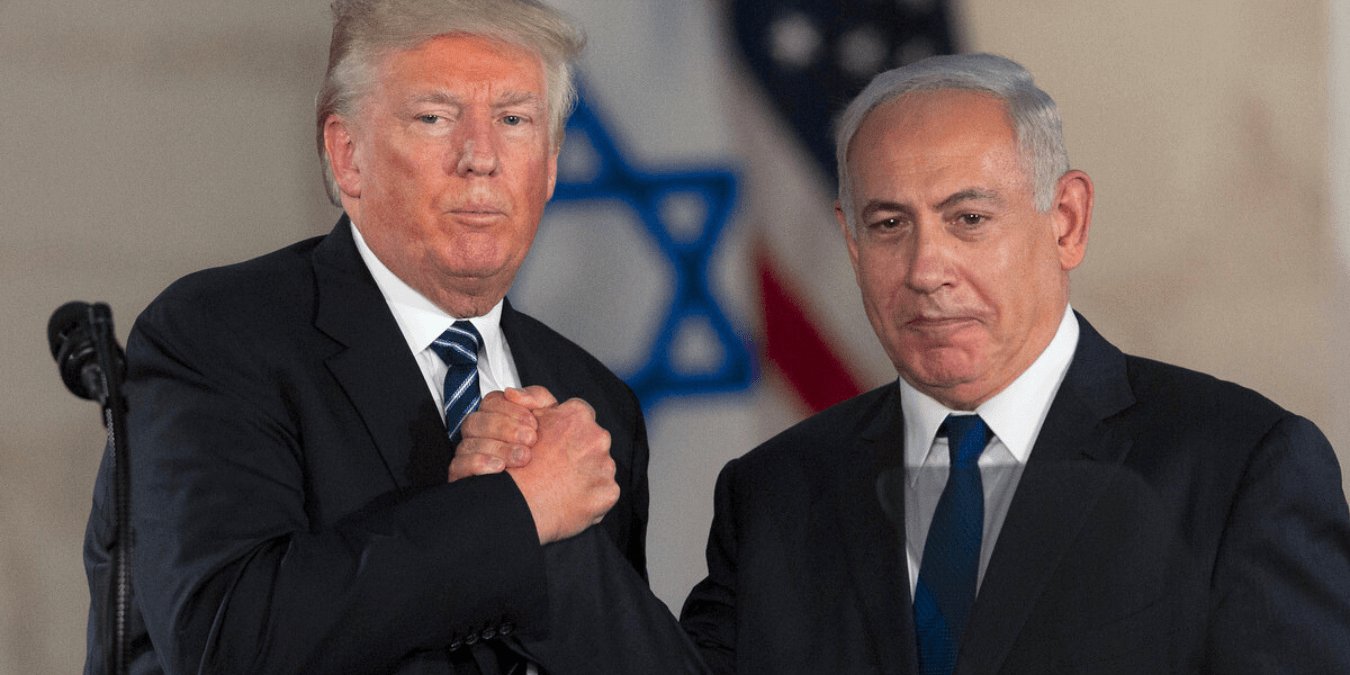
US President Donald Trump told The Times of Israel that the decision on when to end the war with Iran will be “mutual” between him and Netanyahu. He added, “I think it’s mutual… a little bit. We’ve been talking. I’ll make a decision at the right time, but everything’s going to be taken into account,” making clear he sees himself as the ultimate decision-maker but with heavy Israeli input.
In the same interview, Trump claimed that US–Israeli strikes have “destroyed a country that wanted to destroy Israel,” referring to Iran’s military and leadership. He argued that Iran was “going to destroy Israel and everything else around it,” presenting the war as a pre‑emptive move to prevent a larger regional catastrophe.
Context: How the Iran War Started
The current war erupted after coordinated US–Israeli strikes on Iran that killed Supreme Leader Ayatollah Ali Khamenei in late February 2026. Following Khamenei’s killing, Iran’s Assembly of Experts quickly elevated his son, Mojtaba Khamenei, as the new supreme leader, signaling continuity of a hardline posture in Tehran.
Since then, the US and Israel have carried out repeated attacks on Iranian territory, including oil storage depots and refining facilities, expanding the conflict into a broader economic and military campaign. Iran has retaliated with missile and drone strikes on Israeli and US-linked targets across the Gulf region, hitting or threatening countries such as Kuwait, Qatar, Saudi Arabia, and the UAE.




How the War Looks on the Ground
Fighting is now spread across multiple fronts, from Iran itself to Lebanon, Iraq, and the wider Gulf. US officials have spoken about gaining “complete control of Iranian airspace,” suggesting an intensive air campaign aimed at crippling Iran’s ability to respond.
Inside Israel, explosions and rocket fire linked to Iran and allied groups, including Hezbollah in Lebanon, have kept the population under constant threat. Israeli forces have also stepped up operations in Lebanon, with commanders promising “severe consequences” for Hezbollah’s attacks.
Meanwhile, Iran has warned that the Strait of Hormuz and parts of the Gulf are unsafe, raising fears for global shipping and energy supplies. Oil prices have surged as markets react to the risk that prolonged conflict could disrupt a critical artery of world energy flows.
Trump, Netanyahu and the “Mutual” Decision
Trump’s language about a “mutual” decision reflects the unusually close policy alignment between his administration and Netanyahu’s government on Iran. He has repeatedly praised Netanyahu as a “wartime prime minister” and emphasized how closely they have “worked together” in planning and executing the campaign.
However, Trump also stressed that he will “make a decision at the right time,” underlining that the United States, as the senior military partner, retains the formal authority to stop or scale back operations. In practice, this means Netanyahu’s assessment of Israel’s security needs and domestic political pressures will heavily shape when Washington judges that the war can end.
Trump has also used the moment to lean on Israel’s domestic politics, urging President Isaac Herzog to pardon Netanyahu so that he can “focus on the war, not on a ridiculous pardon,” which further highlights how war strategy and Netanyahu’s personal political fortunes have become intertwined.
Key points about the “mutual” framing
- It signals that Israel has significant influence on US decisions, especially regarding timing and objectives of the campaign.
- It reassures Israeli leaders and public opinion that Washington will not abruptly pull back while Iran still poses a threat.
- It raises concerns abroad that US policy may be too tightly coupled to one ally’s political considerations in a volatile region.
Regional and Global Reactions
The intensifying war has alarmed regional powers, many of whom fear being dragged into a broader confrontation. Iran has warned Gulf states that allowing their territory to be used for attacks makes them potential targets, even as its president has offered to halt strikes on neighbors if they stay out of the fight.
Countries like Saudi Arabia have publicly cautioned Tehran that it would be the “biggest loser” if it continues attacking Arab states, attempting to deter further escalation while also distancing themselves from Iran’s actions. At the same time, global powers such as China have called for a truce in the Gulf, worried that prolonged war could destabilize energy markets and supply chains.
Financial markets are already reacting, with oil prices jumping as investors factor in the risk of long‑term disruption and knock‑on effects on inflation and consumer spending worldwide. The combination of military escalation, leadership changes in Iran, and heightened geopolitical tension has created a climate of deep uncertainty about how and when this war will end.
What Trump’s Statement Means for When the War Might End
Trump’s suggestion that the war will end only when Iran “no longer has a functioning military or any remaining leadership in power” sets an extremely ambitious, open‑ended goal. That kind of objective goes well beyond limited strikes and points toward a campaign aimed at permanently degrading Iran’s military and political structures.
At the same time, by calling the decision “mutual,” Trump appears to be leaving room to adjust his stance based on battlefield realities, domestic politics in both countries, and international pressure. If Israeli leaders feel they have achieved their main security aims and the costs of continuing grow too high, their shift in tone could be the key signal that allows Washington to declare victory and step back.
For now, there is little sign either side is ready to stop. The US and Israel are expanding targets, including vital oil infrastructure, while Iran continues retaliatory strikes across the region and installs a new hardline supreme leader. Unless there is a dramatic change — such as a ceasefire proposal backed by multiple major powers — Trump’s “mutual” formula likely means the war ends only when both Washington and Jerusalem are convinced Iran is sufficiently weakened, regardless of broader regional costs.