This summary provides a comprehensive overview of the Manba Finance IPO, highlighting key details and investor interest:
- Strong Investor Response: The Manba Finance IPO was fully subscribed within minutes of opening on September 23, 2024.
- Subscription Details: The IPO saw significant interest from retail and high-net-worth individual (HNI) investors.
- Price Band: Shares were offered in the price band of ₹114-₹120 per share.
- IPO Size: The company aimed to raise ₹150.84 crore through the IPO, with a fresh issue of 1,25,70,000 equity shares.
- Oversubscription: By noon on the first day, investors had bid for 6,83,20,875 equity shares, which is 7.76 times the 87,99,000 shares on offer.
- Retail and NII Interest: The retail portion was subscribed 10.78 times, while the NII portion saw a subscription of 10.63 times.
- Grey Market Premium: The grey market premium (GMP) for Manba Finance shares was around ₹60, indicating a potential 50% listing gain.
- Company Background: Established in 1998, Manba Finance is a non-banking finance company (NBFC) offering loans for two-wheelers, three-wheelers, used cars, small businesses, and personal loans.
- Market Presence: The company operates in six states: Maharashtra, Gujarat, Rajasthan, Chhattisgarh, Madhya Pradesh, and Uttar Pradesh.
- Brokerage Views: Brokerage firms have a positive outlook on the IPO, citing strong financials and growth potential, though they note concerns about rising capital costs and bad loans.
-
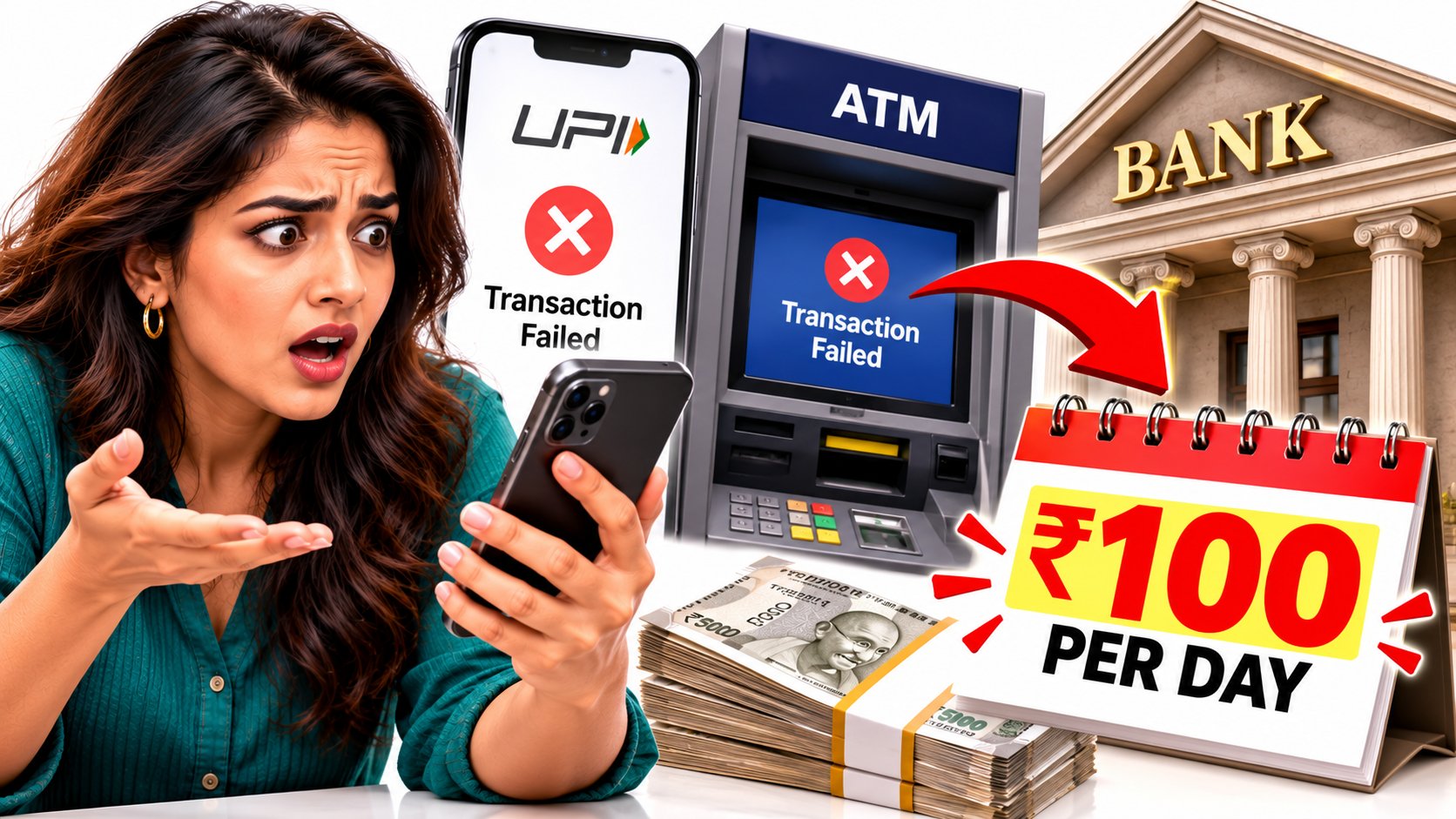
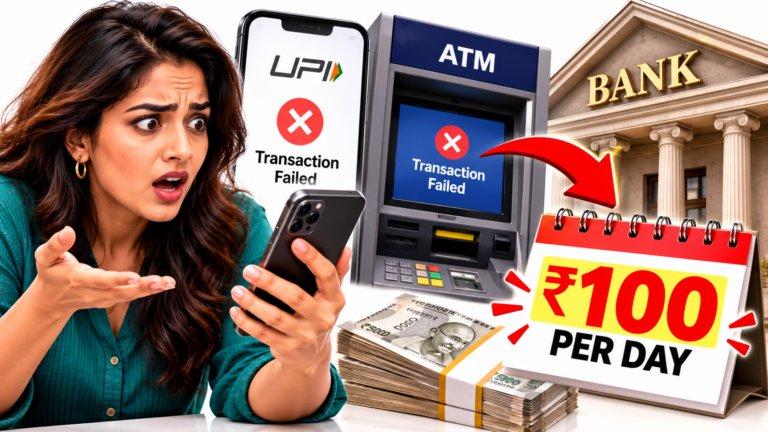
Failed UPI or ATM Transaction? Your Bank May Owe You ₹100 for Every Day It Is Late
Failed UPI, ATM or Card Transaction: When Banks Must Pay ₹100 a Day (RBI Rules) Banking · Digital Payments · India 2026 Failed UPI or ATM Transaction? Your Bank May Owe You ₹100 for Every Day It Is Late RBI’s turnaround-time rules give banks one day or five days to reverse money debited in a…
-
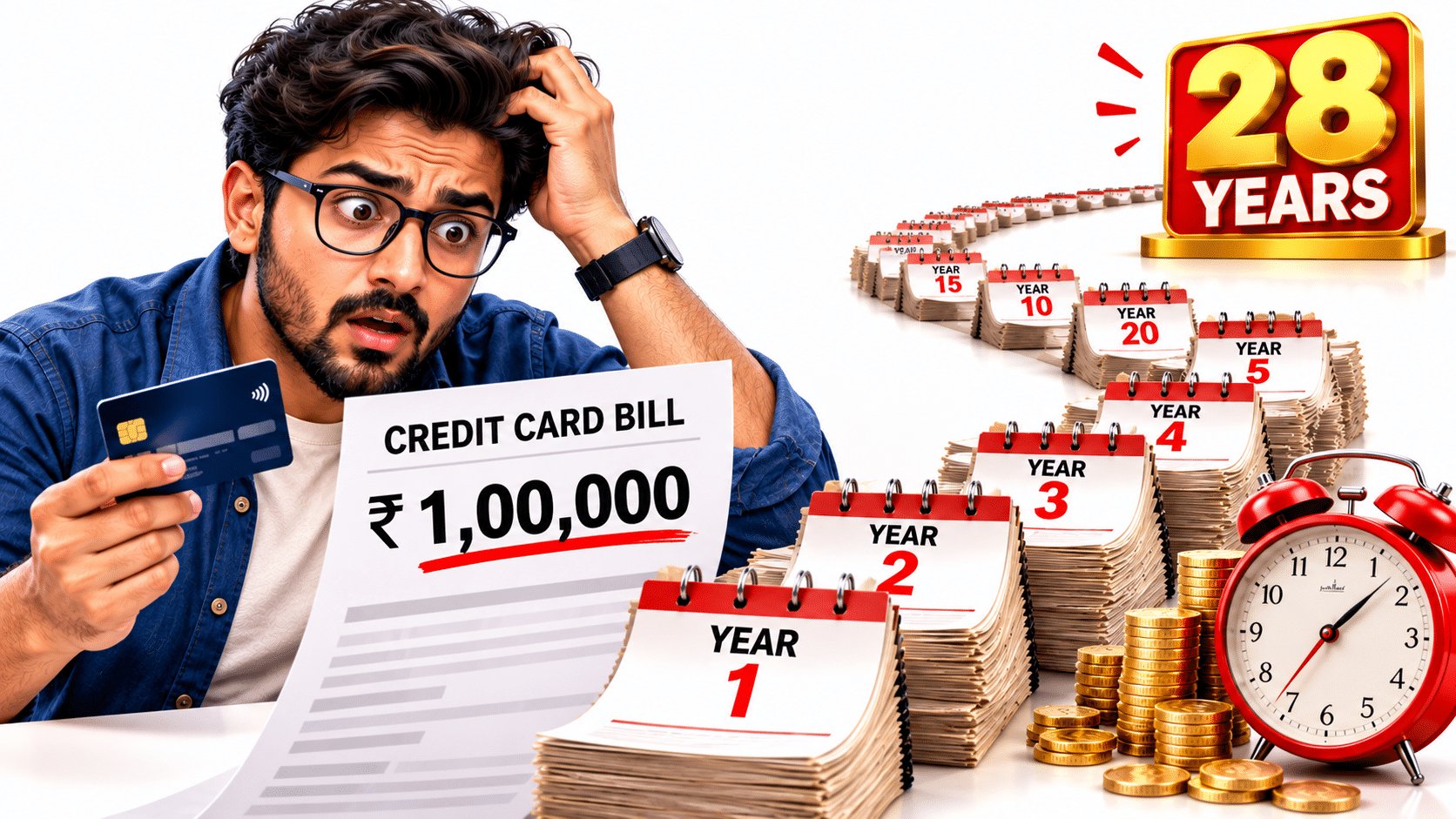
Paying Only the Minimum on Your Credit Card? A ₹1 Lakh Bill Could Take About 28 Years to Clear
Paying Only the Minimum Credit Card Bill: What It Really Costs in India (2026) Credit Cards · Debt & Interest · India 2026 Paying Only the Minimum on Your Credit Card? A ₹1 Lakh Bill Could Take About 28 Years to Clear The minimum amount due keeps your card in good standing, but it barely…
-
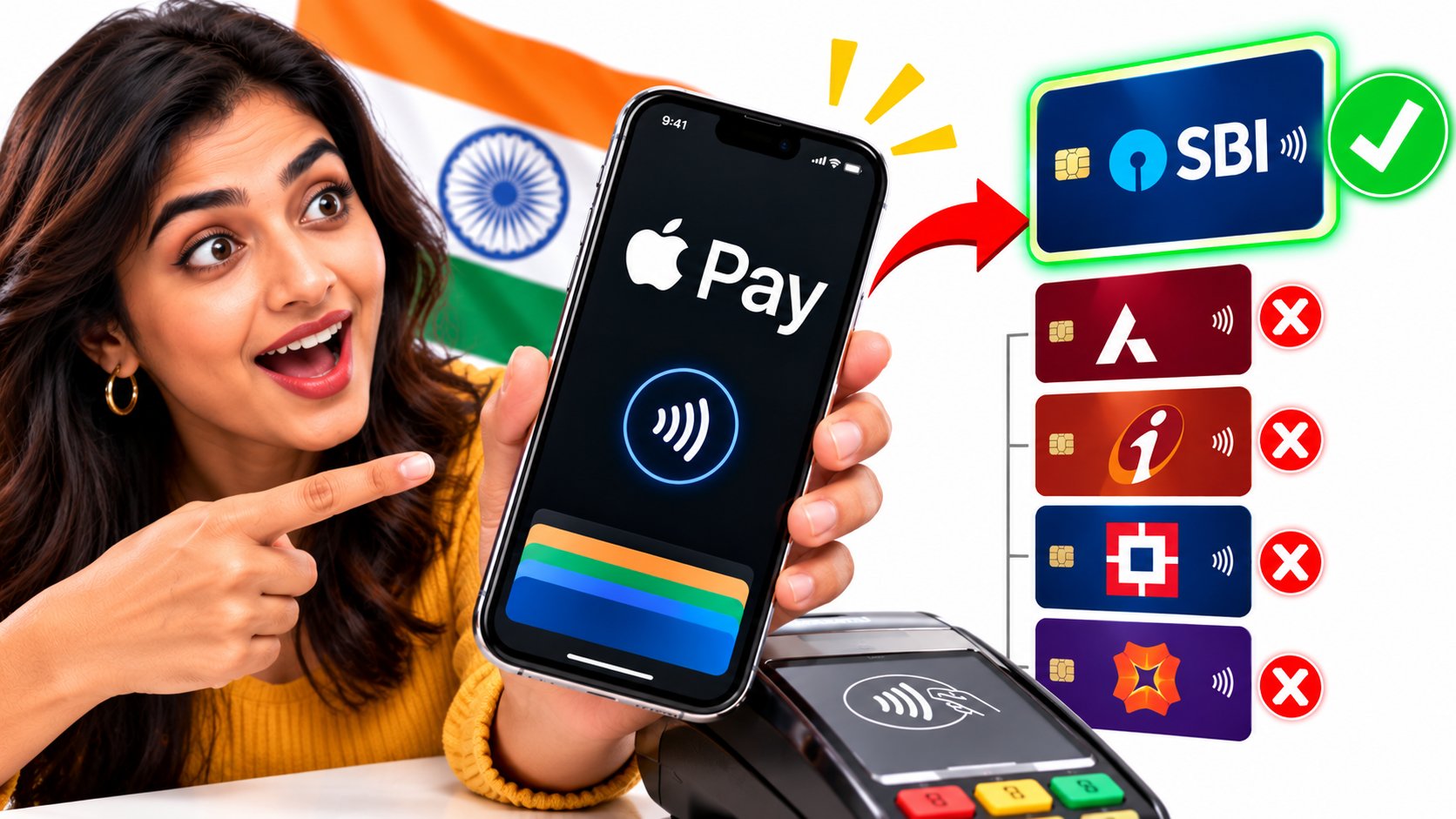
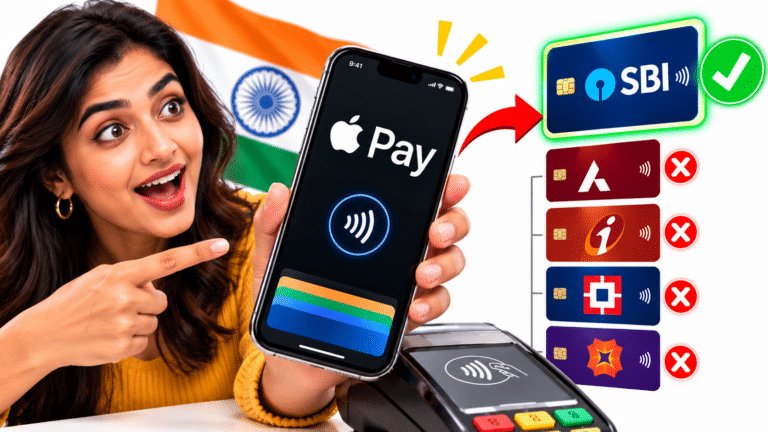
Apple Pay Is Finally Live in India — But Only One Bank’s Credit Cards Work So Far
Apple Pay India Launch: Supported iPhones, Cards, Banks and How It Works (2026) Tech & Payments · India 2026 Apple Pay Is Finally Live in India — But Only One Bank’s Credit Cards Work So Far Apple Pay launched in India on September 30, 2026 with Axis Bank Visa and Mastercard credit cards. It works…
-
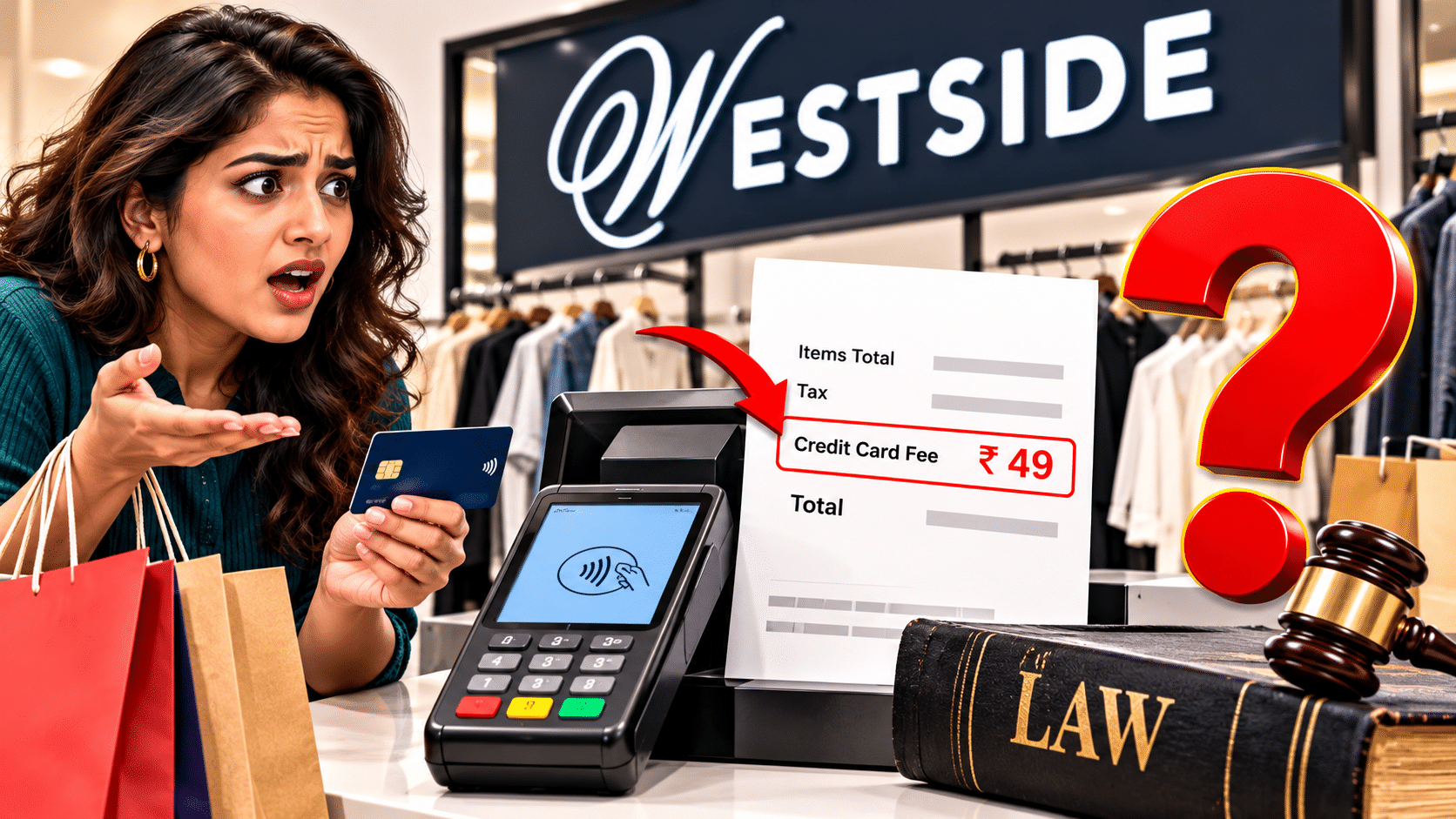
Westside’s ₹49 Credit Card Fee: Is a Flat Charge at the Billing Counter Legal in India?
Westside ₹49 Credit Card Fee: Is It Legal? RBI Rules and Shopper Rights Explained Money · Consumer RightsRetail Payments · India 2026 Westside’s ₹49 Credit Card Fee: Is a Flat Charge at the Billing Counter Legal in India? The Tata-owned fashion chain has started adding a ₹49 “convenience fee” to every in-store credit card payment.…
-

SBI General’s Health Alpha Lets You Build Your Own Health Cover — Here Is What the Fine Print Reveals
SBI General Health Alpha 2026: Features, Waiting Periods, Discounts and Limits α Health InsuranceProduct Deep-DiveIndia 2026 SBI General’s Health Alpha Lets You Build Your Own Health Cover — Here Is What the Fine Print Reveals The premium plan offers sum insured from ₹5 lakh to unlimited, terms of up to five years and dials for…
-
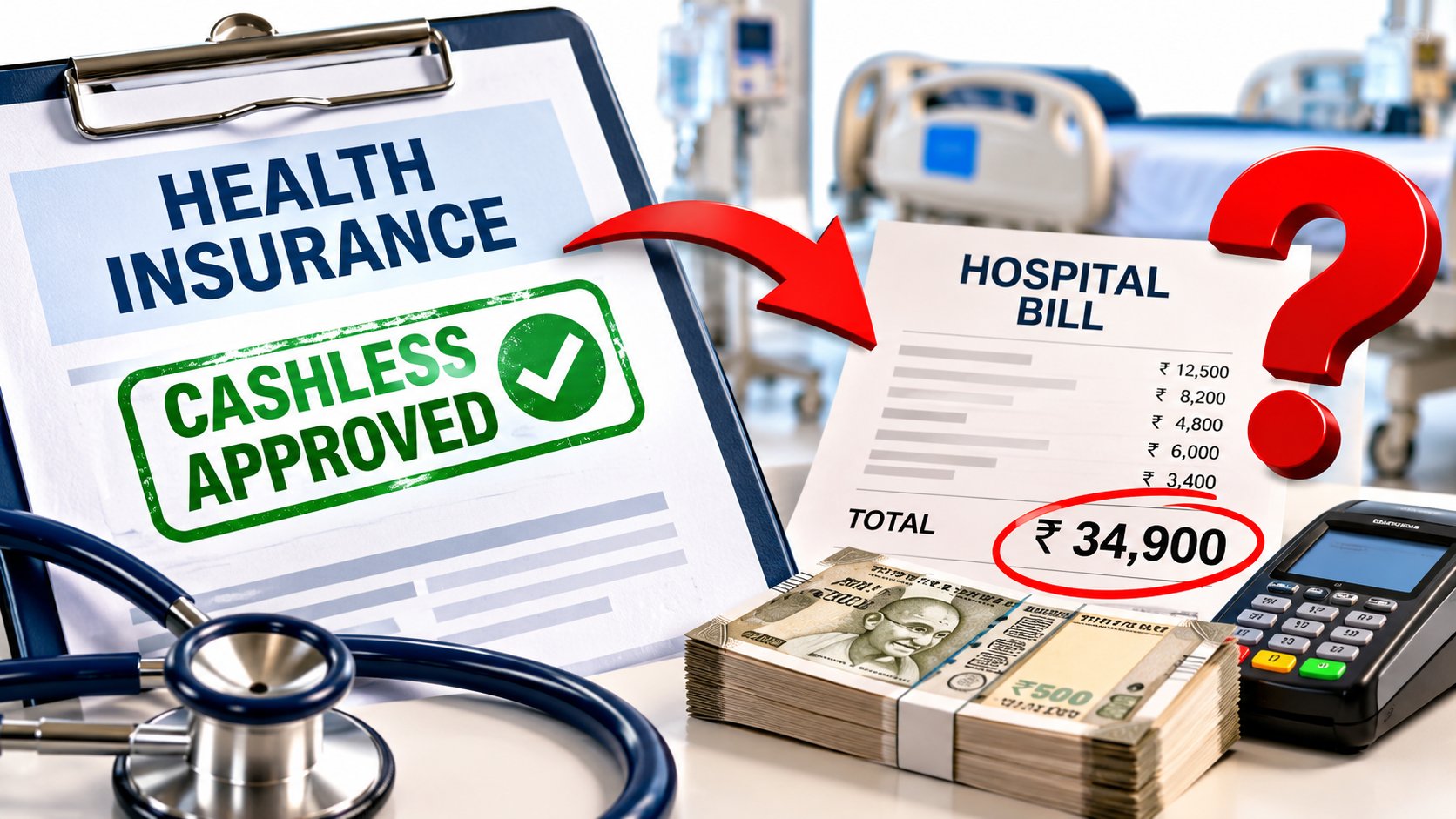
Cashless Health Insurance Approved — So Why Are You Still Paying the Hospital at Discharge?
Cashless Health Insurance: Why You Still Pay at Hospital Discharge (2026) Health InsuranceClaims & Hospital BillsIndia 2026 Cashless Health Insurance Approved — So Why Are You Still Paying the Hospital at Discharge? Cashless means the insurer pays the hospital directly, not that the insurer pays everything. Room rent caps, non-payable items, co-pay, deductibles and sub-limits…