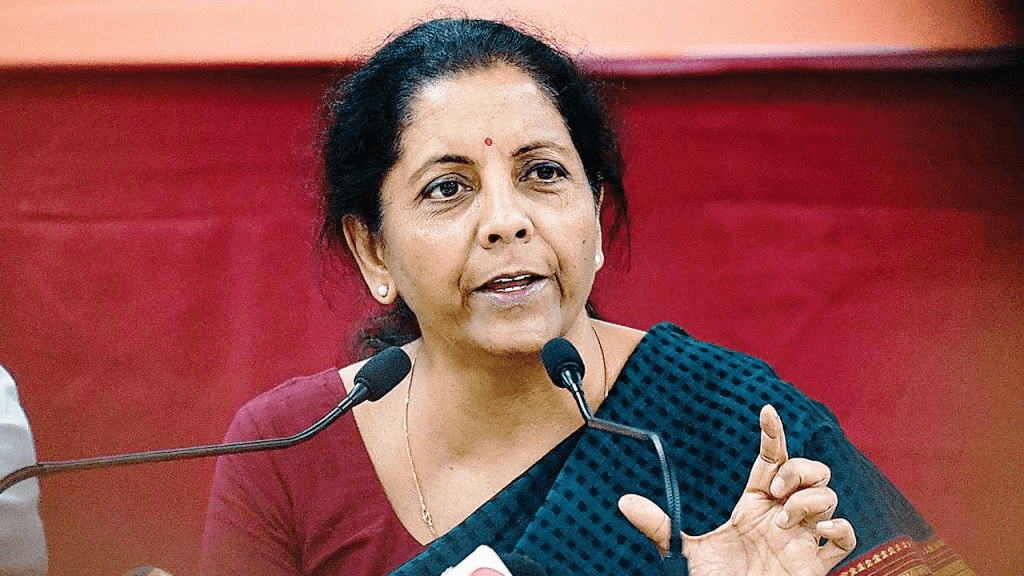
Key points about Finance Minister Nirmala Sitharaman’s announcement about the Unified Pension Scheme (UPS):
- Introduction of UPS: Finance Minister Nirmala Sitharaman introduced the Unified Pension Scheme (UPS) as a new initiative aimed at enhancing the existing National Pension System (NPS).
- Not a Rollback: Sitharaman clarified that UPS is not a rollback of the NPS or the Old Pension Scheme (OPS), but a new package designed to help government employees.
- Government Employees: The scheme is specifically targeted at central government employees who are now subscribers of the NPS.
- Guaranteed Pension: UPS guarantees employees 50% of their average basic pay over the last 12 months before retirement as a pension, provided they have a basic qualifying service of 25 years.
- Proportionate Pension: For employees with a service period of less than 25 years but at least 10 years, the pension will be proportionate.
- Minimum Pension: The scheme assures a minimum payout of ₹10,000 per month on superannuation after a baseline of 10 years of service.
- Flexibility and Choice: Sitharaman emphasized that the scheme offers flexibility and choice, aligning with the government’s approach to governance.
- No Additional Burden: The scheme is designed to help employees without imposing an additional financial burden on the government.
- Opposition’s Claims: The Finance Minister countered claims by the opposition that the scheme shows a U-turn, asserting that it is an improvement rather than a rollback.
- Adoption by States: Sitharaman expressed hope that most states would adopt the UPS due to its many benefits for employees.
-
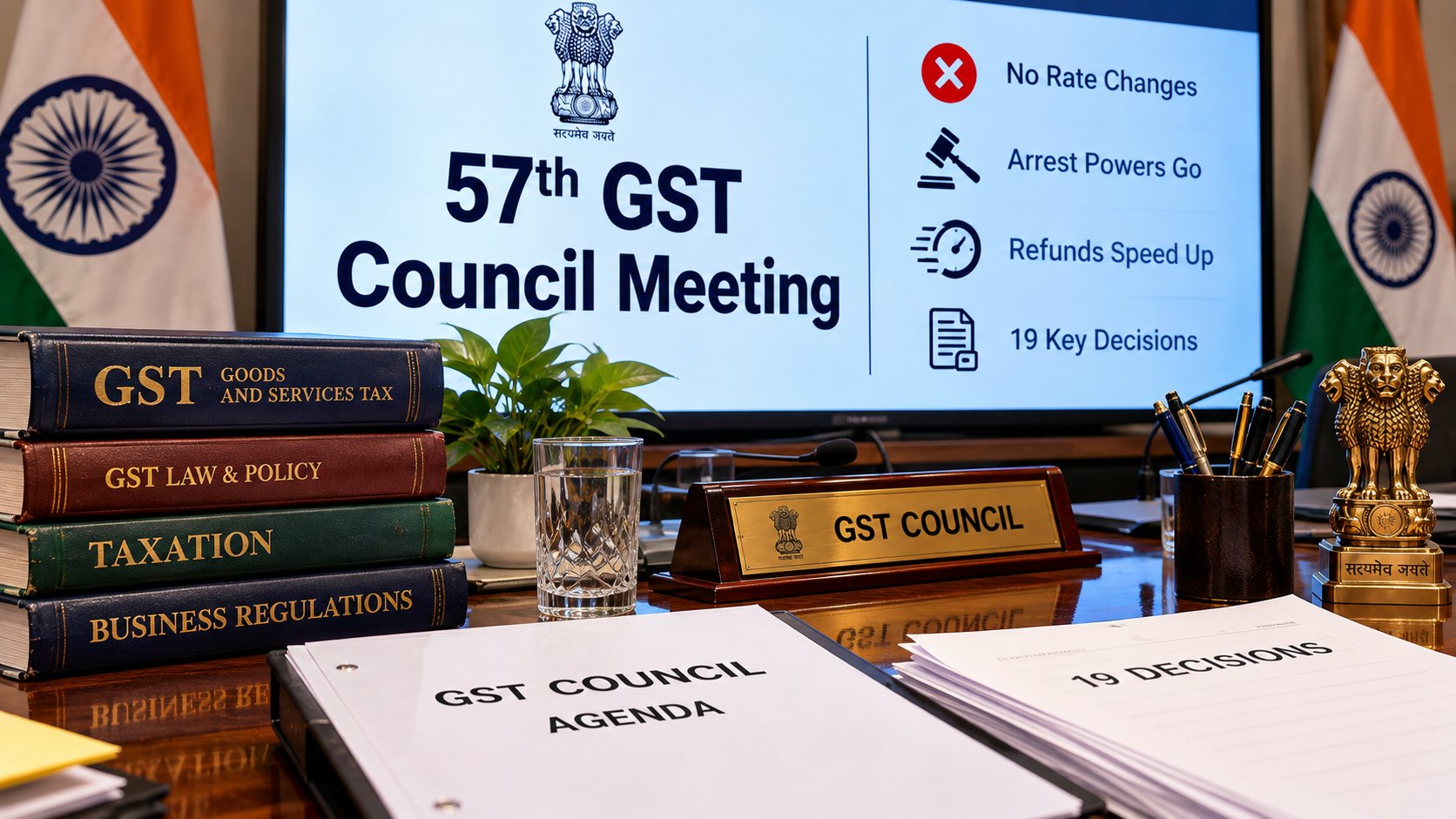
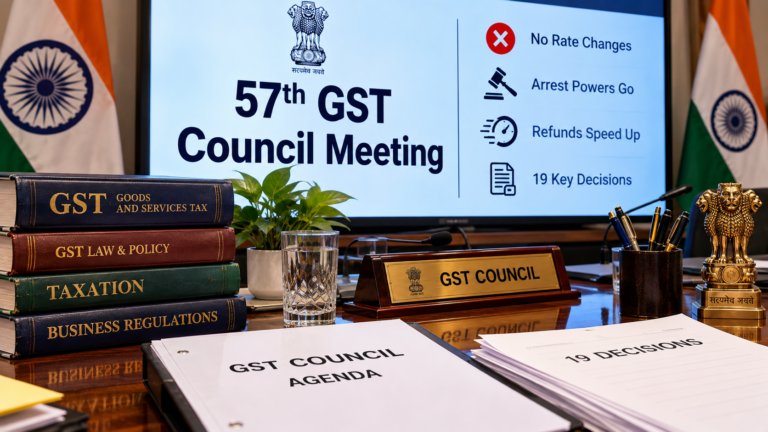
57th GST Council Meeting: No Rate Changes, but Arrest Powers Go and Refunds Speed Up. What 19 Decisions Mean for Businesses and Taxpayers
57th GST Council Meeting Outcomes: No Rate Changes, Arrest Powers to Go, Faster Refunds for Businesses GSTBusiness and TaxCouncil Meeting 57th GST Council Meeting: No Rate Changes, but Arrest Powers Go and Refunds Speed Up. What 19 Decisions Mean for Businesses and Taxpayers The Council left every tax slab untouched and turned to the machinery…
-
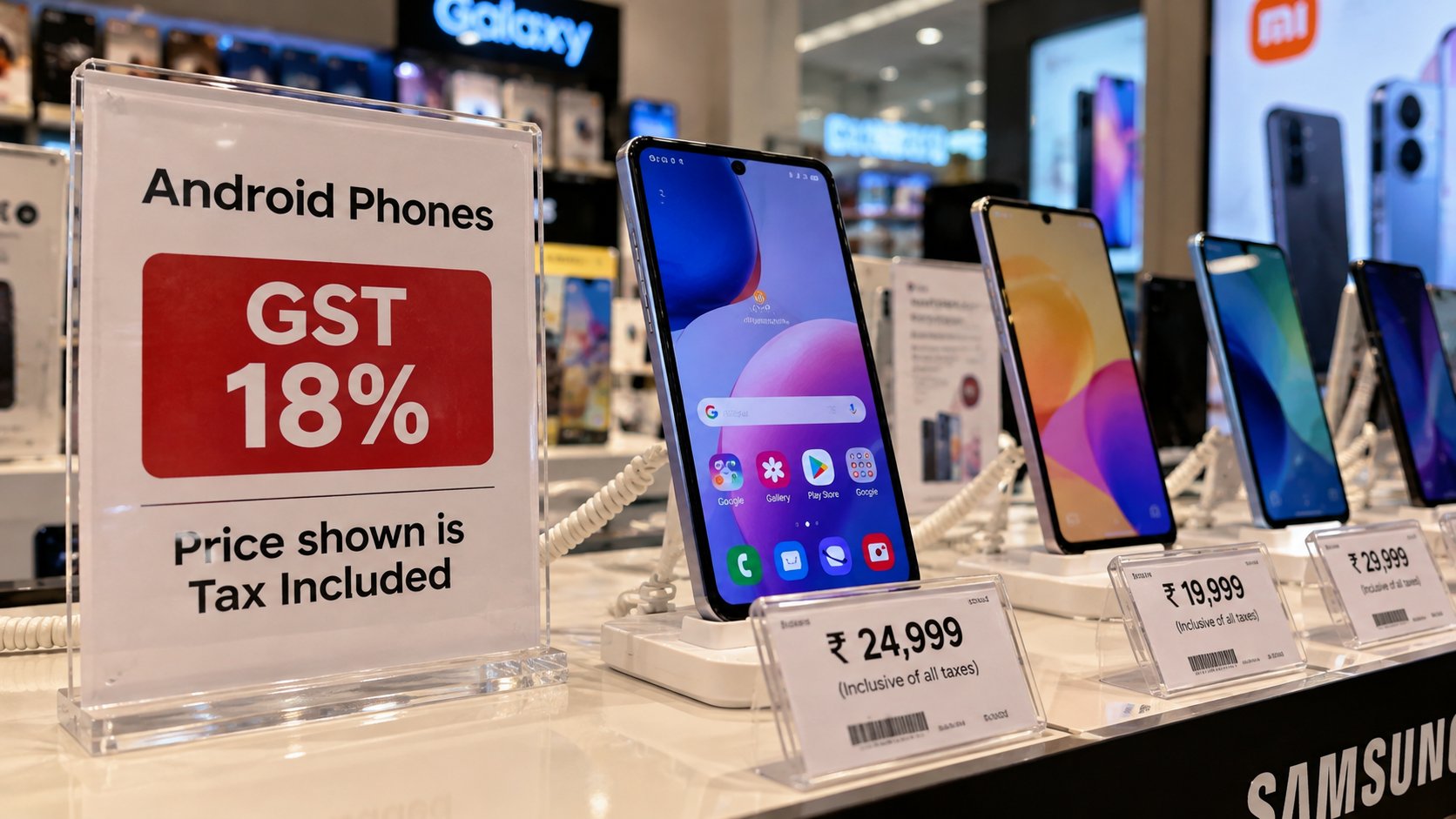
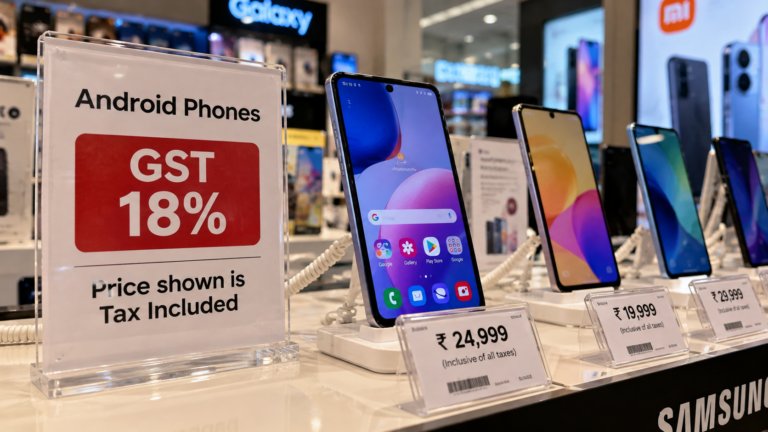
Android Phone GST Cut: Rate Stays at 18% After the Council Meeting, and What “Tax Included” Means for the Price You Pay
Android Phone GST Cut: Rate Stays at 18% After Council Meeting, and What “Tax Included” Means for Your Price Technology · GST · Smartphone Prices Android Phone GST Cut: Rate Stays at 18% After the Council Meeting, and What “Tax Included” Means for the Price You Pay The GST Council met on 7 October 2026…
-
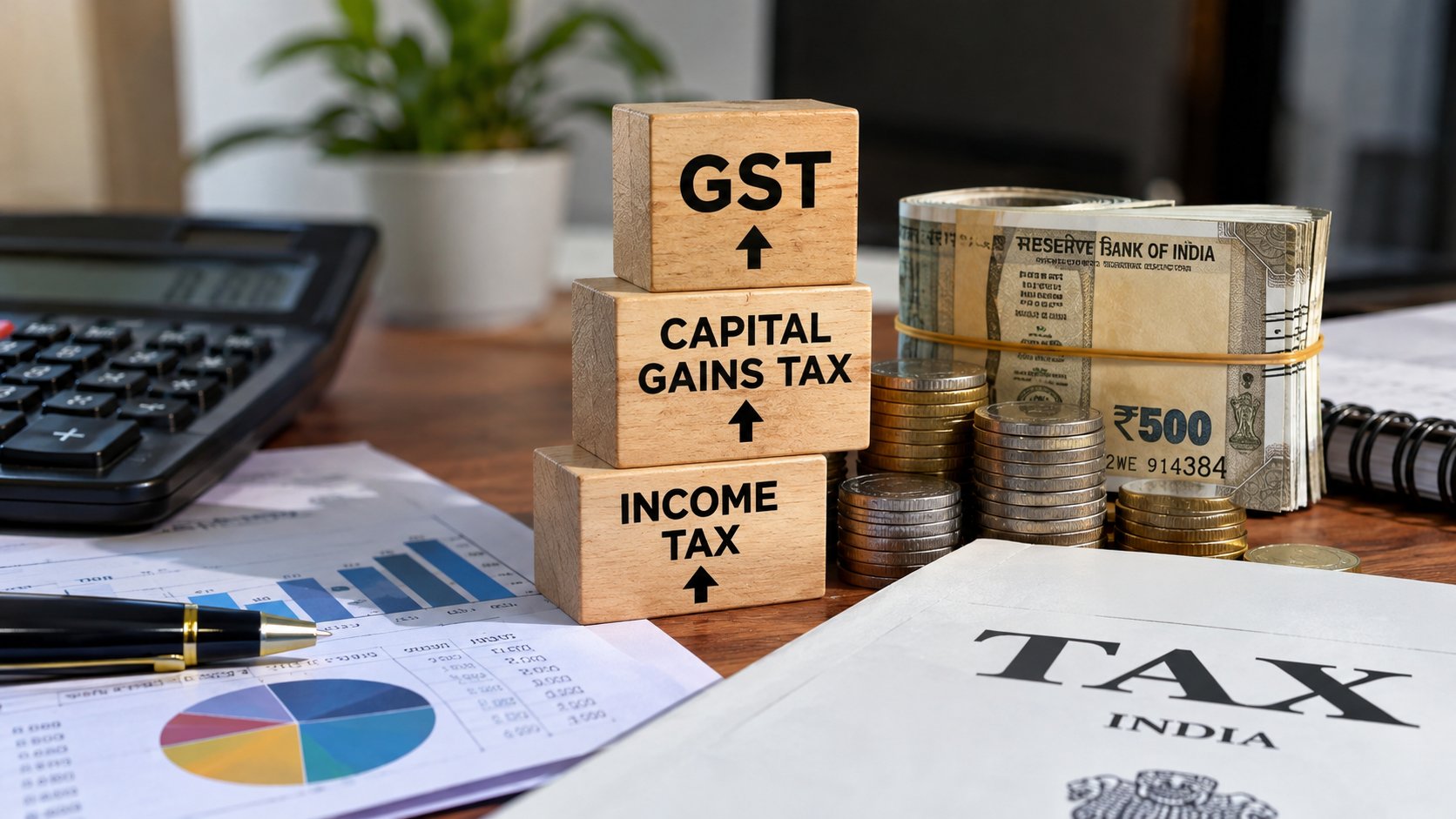
Income Tax, Then Capital Gains Tax, Then GST: How Many Times Is One Rupee Taxed in India, and Is It Really 68%?
Income Tax, Capital Gains Tax and GST on the Same Rupee: Is the Tax Burden Really 68%? Personal Finance · Tax Explainer Income Tax, Then Capital Gains Tax, Then GST: How Many Times Is One Rupee Taxed in India, and Is It Really 68%? A widely shared post on X adds three tax rates on…
-

RBI Raises Repo Rate to 5.50%: Should You Delay Buying a Home or Car as Loans Get Costlier?
RBI Raises Repo Rate to 5.50%: Should You Delay Buying a Home or Car as Loans Get Costlier? Personal Finance · RBI Monetary Policy · October 2026 RBI Raises Repo Rate to 5.50%: Should You Delay Buying a Home or Car as Loans Get Costlier? The first repo rate increase since February 2023 adds about…
-

₹5,000 vs ₹10,000 vs ₹20,000 a Month — How Much Will Your Child’s Education Fund Grow, and What Will It Actually Pay For?
₹5,000 vs ₹10,000 vs ₹20,000 a Month: How Much Will Your Child’s Education Fund Grow — and What Will It Actually Pay For? Personal Finance · Child Education SIP · India 2026 ₹5,000 vs ₹10,000 vs ₹20,000 a Month — How Much Will Your Child’s Education Fund Grow, and What Will It Actually Pay For?…
-

LIC, SBI Life, HDFC Life or ICICI Prudential — Which Child Insurance Plan Actually Fits Your Education Goal in 2026?
LIC, SBI Life, HDFC Life or ICICI Prudential: Which Child Insurance Plan Fits Your Education Goal in 2026? Insurance · Child Education Plans · India 2026 LIC, SBI Life, HDFC Life or ICICI Prudential — Which Child Insurance Plan Actually Fits Your Education Goal in 2026? The four insurers’ flagship child plans differ less on…